

The Adaptive Home: Intelligent LED Lighting Systems That Know Your Needs Better Than You Do

LED Lighting Systems

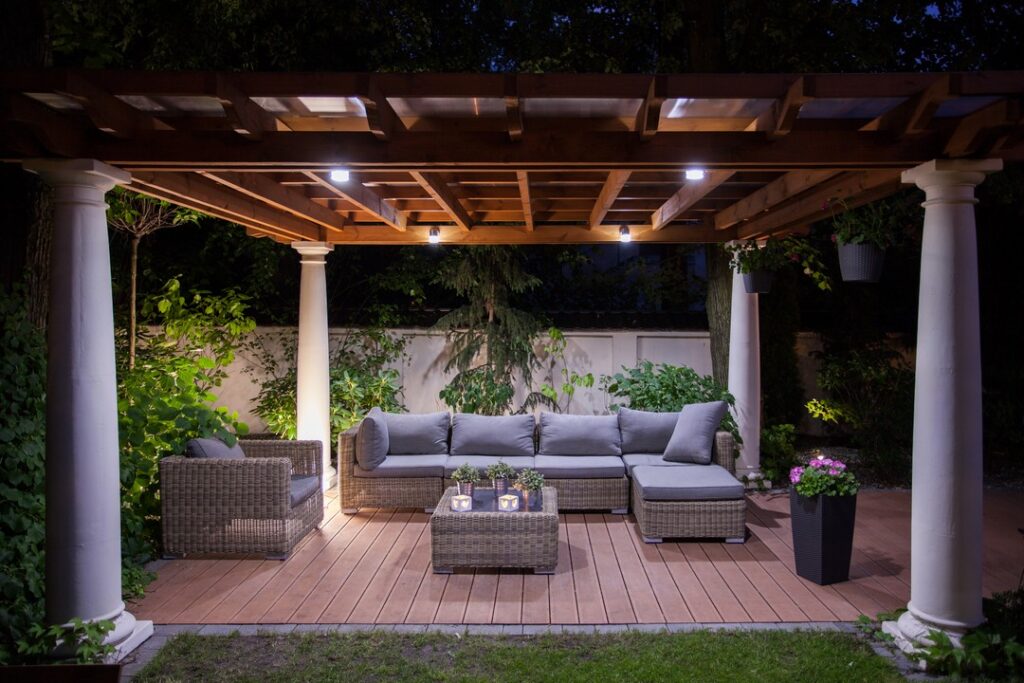
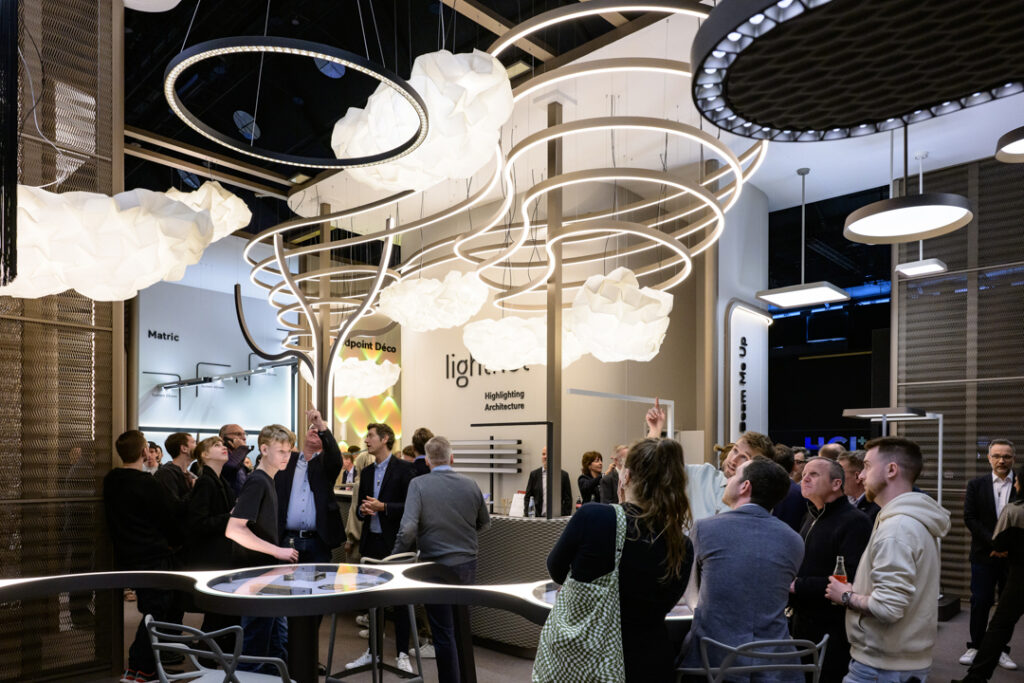
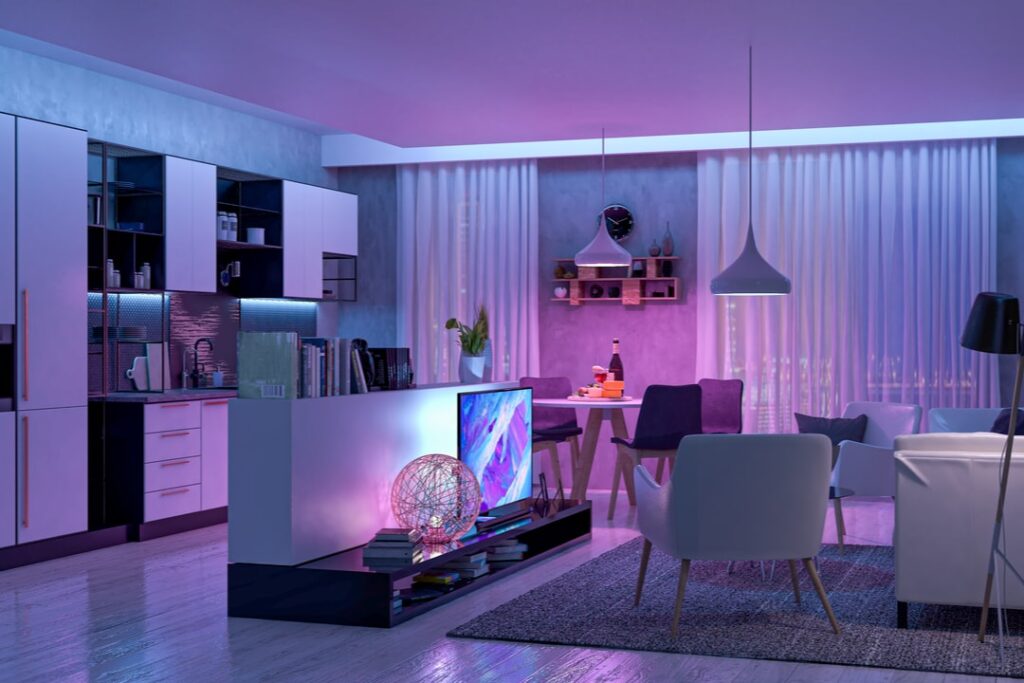
LED Lighting Systems is no longer just about brightening a room or cutting electricity bills; it is becoming a powerful force shaping how we live and feel. As we move into 2025, LED technology is evolving beyond basic energy efficiency into a tool for wellness, personalization, and intelligent living. Homeowners are now choosing smart LED lighting for mood regulation, better sleep, and healthier daily routines. These next-generation lighting systems blend design, health science, and connectivity, turning ordinary spaces into adaptive environments that respond to human needs in real time, setting a new standard for modern, health-focused homes.

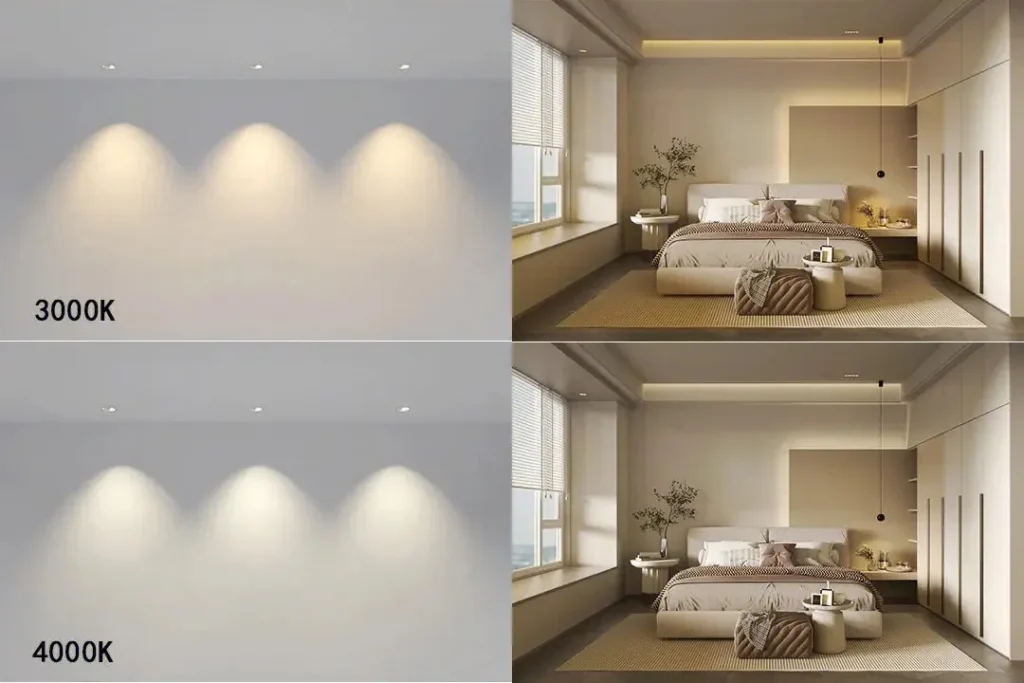
www.ultraleds.co.uk One of the most influential LED Lighting Systems redefining homes is human-centric lighting. These advanced LED systems mimic natural daylight cycles by adjusting brightness and color temperature throughout the day. Cooler, blue-enriched light boosts focus and productivity in the morning, while warmer tones in the evening support relaxation and melatonin production. This circadian lighting approach improves sleep quality, mental clarity, and overall well-being. In 2025, more homeowners are integrating circadian rhythm lighting into bedrooms, home offices, and living spaces, recognizing that light directly impacts hormones, mood, and long-term health outcomes.

LED Lighting Systems

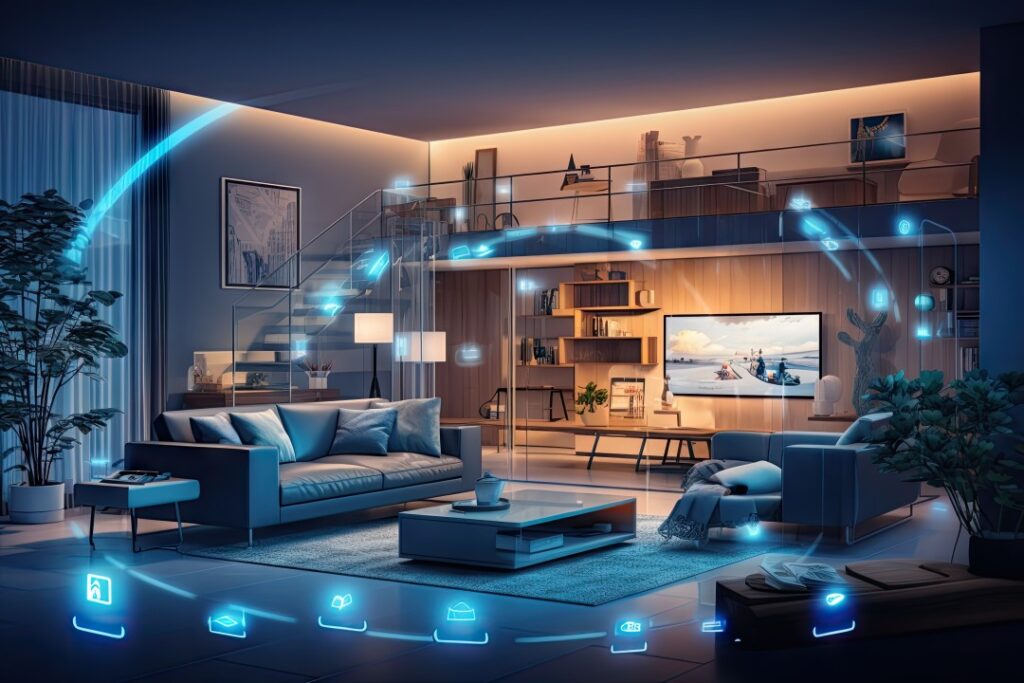
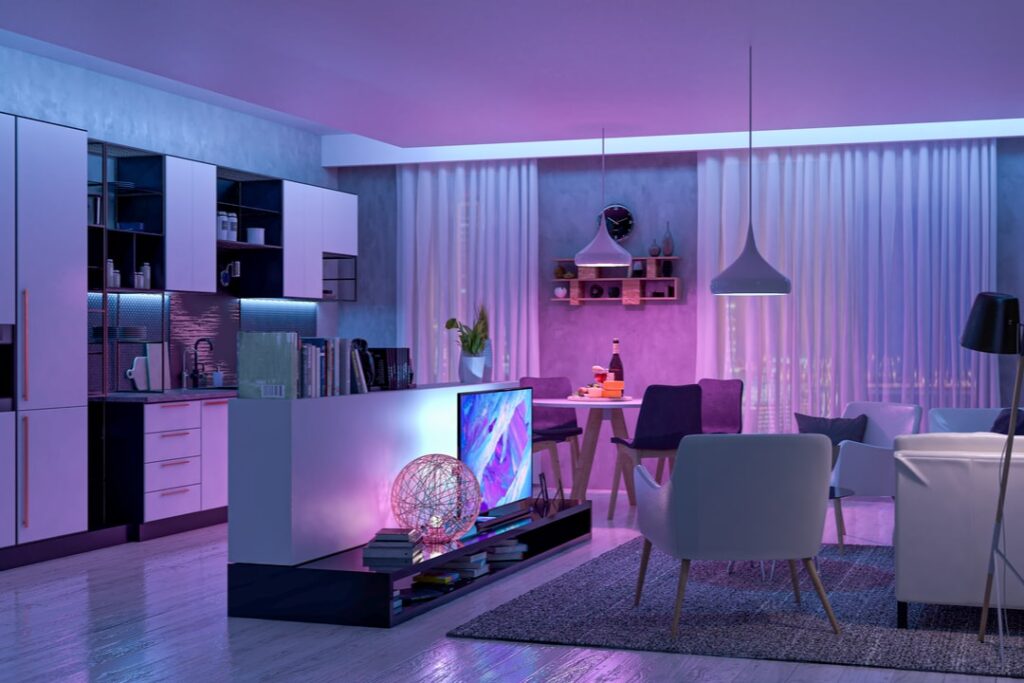
Another critical trend is the rise of smart LED lighting ecosystems powered by AI and IoT connectivity. LEDs are no longer standalone bulbs but part of an interconnected smart home lighting network. Through voice assistants, motion sensors, and mobile apps, lighting adapts automatically to occupancy, time of day, and user preferences. AI-driven lighting systems learn behavior patterns, reducing eye strain and enhancing comfort. This level of automation improves energy optimization while delivering a seamless living experience, making intelligent LED lighting a central feature of future-ready homes in 2025.

LED Lighting Systems Health-conscious homeowners are also driving demand for low-blue-light and flicker-free LED technology. Excessive blue light exposure and invisible flicker have been linked to digital eye strain, headaches, and sleep disruption. In response, manufacturers are developing LEDs with reduced blue light emission and advanced drivers that eliminate flicker entirely. These health-optimized LED lights are especially valuable in bedrooms, nurseries, and home offices. As awareness grows, wellness lighting is becoming a priority for families seeking safer, more comfortable indoor environments without sacrificing brightness or design .

Another defining LED trend is the integration of antimicrobial and air-quality-enhancing lighting. Certain LED wavelengths have been shown to reduce bacteria, mold, and viruses on surfaces without harming humans. In 2025, this technology is expanding into residential kitchens, bathrooms, and healthcare-inspired home spaces. Combined with smart sensors that monitor air quality and humidity, these LEDs contribute to cleaner, healthier indoor environments. This shift positions lighting as an active participant in home health, not just a passive utility, aligning perfectly with post-pandemic wellness priorities.

LED Lighting Systems That Know Your Needs Better Than You Do

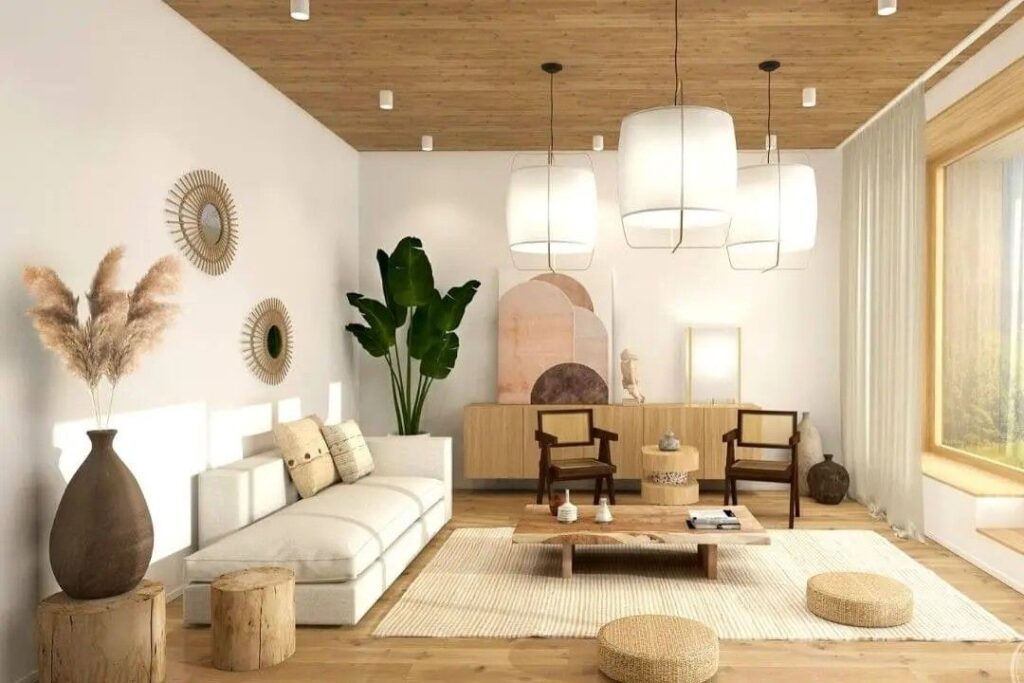
Sustainable design and eco-conscious materials are also shaping the future of LED lighting. Beyond low energy consumption, 2025 LEDs emphasize recyclable components, longer lifespans, and reduced electronic waste. Manufacturers are focusing on modular designs that allow easy repairs and upgrades instead of full replacements. Paired with solar integration and ultra-efficient drivers, LEDs are becoming central to sustainable home design. This trend appeals to environmentally aware homeowners who want smart lighting solutions that align with green building standards and long-term environmental responsibility.

LED Lighting Systems Together, these five LED trends show that lighting is evolving into a lifestyle and health technology rather than a simple utility. From circadian rhythm support and smart automation to wellness-focused features and sustainability, LEDs in 2025 will shape how homes feel, function, and protect their occupants. Investing in advanced LED lighting is no longer just about saving energy; it is about enhancing daily life, supporting physical and mental health, and future-proofing the modern home with intelligent, human-centered design.

#LEDTrends2025 #SmartLEDLighting #HumanCentricLighting #WellnessLighting #HealthyHomes #SmartHomeTechnology #CircadianLighting #SustainableLighting #FutureOfLighting

Leave a Reply

Your email address will not be published. Required fields are marked *