Smart LED Lighting Solutions Choosing the right LED lighting for office spaces is far more than a decorative or technical decision; it is a strategic choice that directly influences productivity, employee well-being, and overall workplace efficiency. Lighting affects how employees feel, focus, and perform throughout the day. Poor lighting can cause eye strain, headaches, fatigue, and lack of concentration, all of which negatively impact performance. In contrast, well-designed LED lighting supports alertness, improves mood, and creates a professional atmosphere. As modern offices evolve into experience-driven environments, lighting has become a vital component of workplace planning rather than an afterthought. Smart LED Lighting Solutions
Today’s offices demand lighting solutions that balance visual comfort with functionality. Employees spend long hours working on screens, attending meetings, and collaborating with colleagues, making lighting quality critical for daily operations. The right LED lighting setup supports task accuracy, reduces mental fatigue, and enhances overall comfort. Lighting also plays a role in reinforcing company values and brand identity through design consistency. Before selecting fixtures, it is essential to understand how lighting interacts with office layout, natural daylight availability, and operational workflows, as these factors form the foundation of effective office lighting decisions.
Smart LED Lighting Solutions for Modern Offices That Drive Performance.
Understanding office requirements is the first step in selecting suitable LED lighting solutions. Every office consists of multiple zones, each with different functional needs. Reception areas require welcoming and balanced lighting, workstations need uniform and glare-free illumination, conference rooms require flexible lighting for presentations and discussions, while executive offices benefit from layered lighting that combines professionalism and comfort. A one-size-fits-all approach rarely delivers optimal results. Carefully analyzing how each space is used allows organizations to select lighting that enhances productivity while maintaining employee comfort and visual clarity. Smart LED Lighting Solutions.
The physical characteristics of an office space play a significant role in determining lighting effectiveness. Office size, ceiling height, wall color, and furniture placement all influence how light behaves within a space. Light-colored walls reflect illumination more efficiently, while darker finishes absorb light and may require higher brightness levels. Ceiling height affects fixture selection and light spread, and furniture layout can create shadows if lighting is poorly planned. Workstations generally require even illumination without hotspots, while collaborative zones benefit from softer lighting. Professional LED lighting planning ensures uniform brightness without visual discomfort.
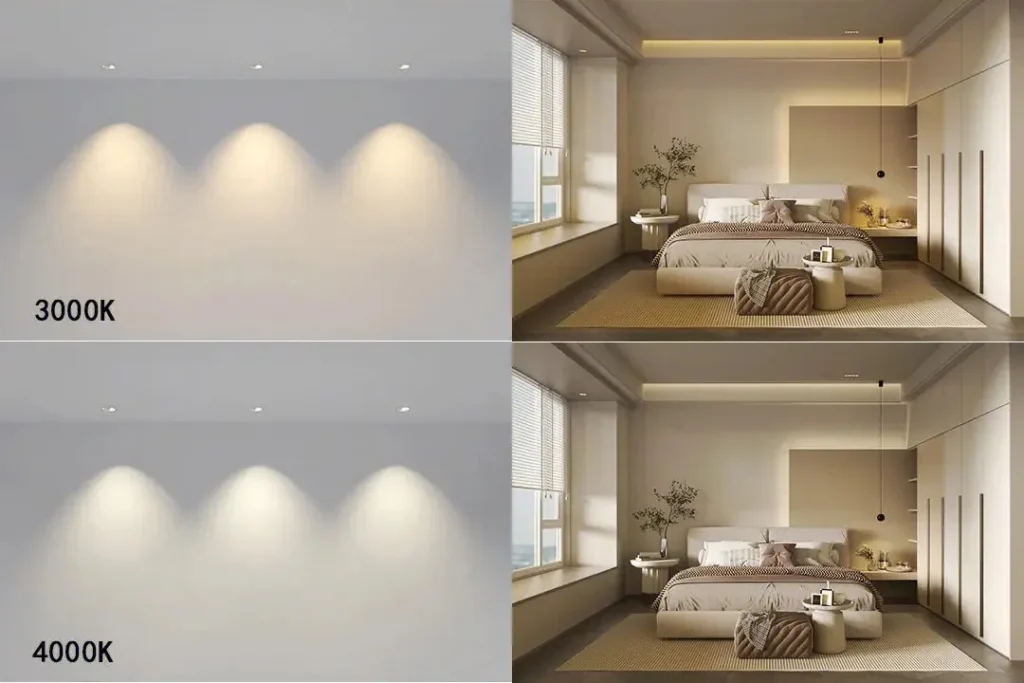
Color temperature is another critical factor when choosing LED lights for office productivity. Light appearance can range from warm to neutral to cool, and each affects mood and performance differently. Cooler color temperatures between 4000K and 5000K are commonly recommended for offices because they promote alertness, focus, and mental clarity. These tones closely resemble daylight, helping employees stay energized throughout the workday. Warmer lighting may feel relaxing but can reduce concentration in task-oriented environments. Neutral white lighting works well in mixed-use spaces, offering a balanced and comfortable visual environment.
Brightness is measured in lumens rather than watts, and understanding this distinction is essential when planning office lighting. Offices require adequate brightness to support reading, computer work, and detailed tasks without creating harsh or overwhelming illumination. Excessive brightness can cause discomfort, glare, and eye fatigue, while insufficient lighting reduces visibility and efficiency. Even light distribution is equally important, as uneven placement can create shadows or reflections on screens. Using linear fixtures, recessed panels, or indirect lighting helps achieve consistent illumination across work areas, improving visual comfort and productivity. Smart LED Lighting Solutions.
Energy efficiency is one of the primary reasons businesses transition to LED lighting systems. LEDs consume significantly less electricity than traditional lighting while delivering superior performance and longer lifespan. This results in lower energy bills, reduced maintenance requirements, and long-term operational savings. LED lights also generate minimal heat, which helps maintain comfortable indoor temperatures and reduces the load on air conditioning systems. Over time, the return on investment becomes evident through energy savings and reduced replacement costs, making LED lighting a financially and environmentally responsible choice for modern offices.
Fixture selection and light positioning play a crucial role in minimizing glare and enhancing visual comfort. Glare from direct fixtures or reflected glare from computer screens is one of the most common causes of eye strain in offices. Choosing LED fixtures with diffusers, anti-glare optics, and indirect lighting designs helps reduce discomfort. Proper placement ensures that task lighting complements ambient lighting rather than competing with it. Balanced lighting design supports both screen-based and paper-based tasks, creating a visually comfortable environment that allows employees to work efficiently throughout the day.
Lighting Solutions for Modern Offices
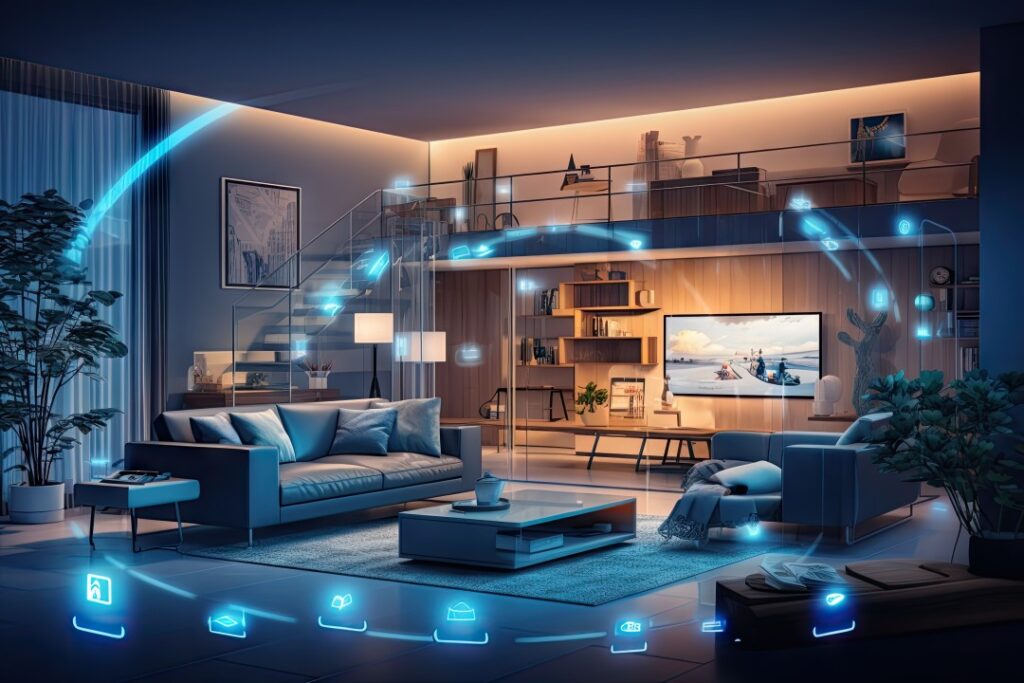
Smart lighting controls have become an integral part of modern office environments. Features such as dimming, occupancy sensors, daylight harvesting, and programmable schedules allow offices to optimize energy usage while maintaining comfort. Smart systems adjust lighting levels based on occupancy and natural light availability, reducing unnecessary energy consumption. They also provide flexibility for different activities, such as presentations, meetings, or focused work. Integrating smart LED controls enhances efficiency, supports sustainability goals, and offers employees greater control over their workspace environment. Smart LED Lighting Solutions.
Office lighting must also comply with industry standards and workplace safety regulations to ensure employee well-being. Proper illumination levels reduce health risks, support visual comfort, and improve overall job satisfaction. Compliance standards typically address brightness levels, glare control, and color consistency. Working with experienced LED lighting providers ensures that lighting solutions meet these requirements without compromising design quality. Beyond functionality, lighting design reflects company culture and brand identity, creating professional, welcoming spaces that leave lasting impressions. Planning scalable LED systems also ensures adaptability for future office growth and evolving workplace needs.
#OfficeLEDLighting #WorkplaceProductivity #SmartLightingSolutions #EnergyEfficientOffices #ModernWorkspace #LEDLightingDesign #SustainableWorkplace #OfficeInteriors #LightingForProductivity #CommercialLighting