Decorative LED lighting has transformed the way spaces feel, look, and function, and dimming controls play a crucial role in unlocking its full potential. Lighting is no longer just about illumination; it is about creating mood, depth, and personality. Dimming allows users to adjust brightness levels to suit different activities, times of day, and emotional atmospheres. Whether highlighting architectural features, enhancing interior décor, or creating intimate settings, dimming controls give decorative LED lighting flexibility and sophistication. This ability to fine-tune light output helps spaces feel dynamic rather than static, making dimming an essential feature in modern lighting design.
Unlike traditional incandescent bulbs, decorative LED lights do not dim naturally without compatible controls. LEDs require specially designed dimmers that regulate current smoothly to avoid flickering or abrupt brightness changes. Understanding this difference is important when planning decorative lighting, as the wrong dimmer can negatively affect performance and lifespan. Modern LED dimming technology has evolved to provide smooth transitions and consistent color quality at all brightness levels. When paired correctly, dimming controls enhance the elegance of decorative LED fixtures while maintaining energy efficiency and visual comfort.
Decorative LED Lighting
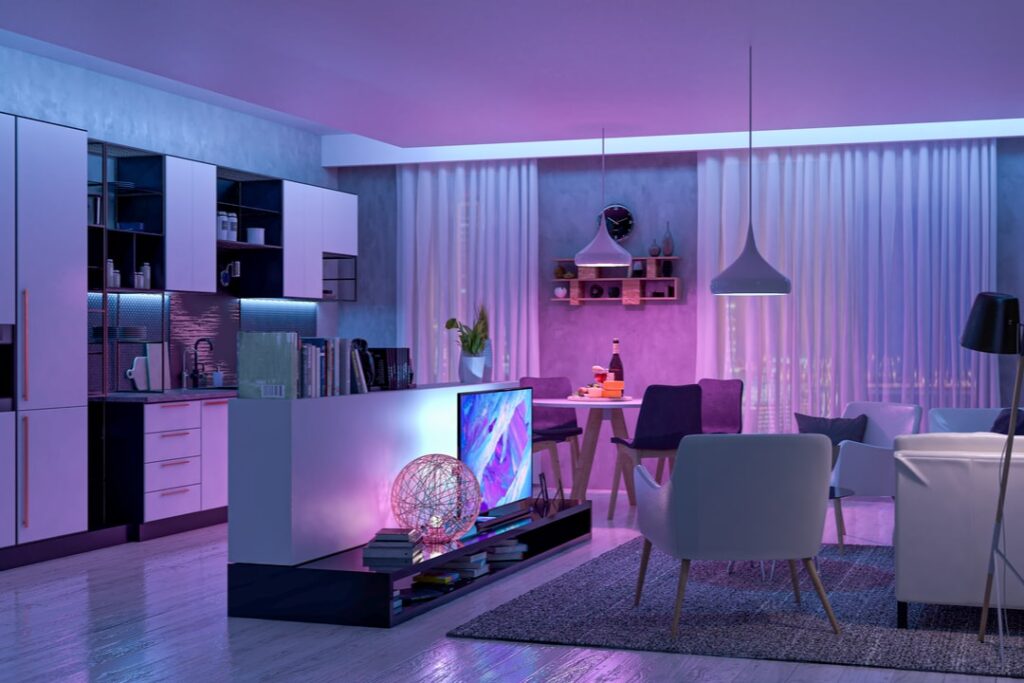
Decorative LED Lighting One of the primary benefits of dimming decorative LED lighting is mood creation. Bright lighting may be ideal for social gatherings, cleaning, or showcasing design elements, while softer lighting promotes relaxation and warmth. Dimming allows a single fixture to serve multiple purposes without changing the design. Chandeliers, pendant lights, wall sconces, and LED strips become adaptable features that respond to the environment. This flexibility is especially valuable in living rooms, dining areas, bedrooms, and hospitality spaces where atmosphere plays a central role in user experience.
Energy efficiency is another major advantage of using dimming controls with decorative LED lighting. When lights are dimmed, they consume less power, resulting in reduced energy usage and lower electricity bills. Over time, these savings can be significant, especially in spaces with multiple decorative fixtures operating for long hours. Dimming also reduces thermal stress on LED components, which can help extend the lifespan of the lights. This combination of energy savings and durability makes dimmable LED systems both environmentally and economically beneficial for residential and commercial spaces.
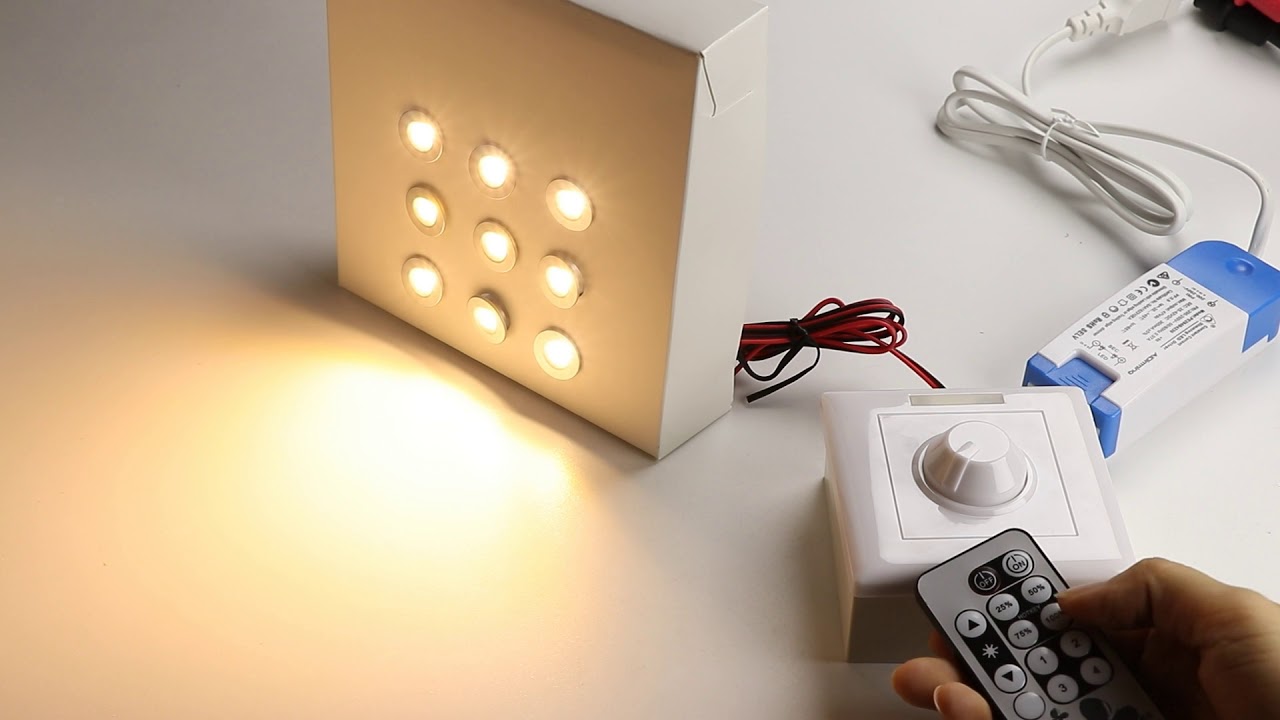
There are several types of dimming technologies available for decorative LED lighting, each offering different levels of control and compatibility. Leading-edge dimmers, trailing-edge dimmers, and digital systems such as 0–10V, DALI, and smart dimming controls are commonly used. Trailing-edge dimmers are often preferred for decorative LEDs because they provide smoother dimming and reduced noise. Smart dimming systems add another layer of control by allowing users to adjust lighting through mobile apps, voice commands, or automated schedules, enhancing convenience and personalization.
Why Dimming Controls Are Essential for Modern Decorative LED Lighting
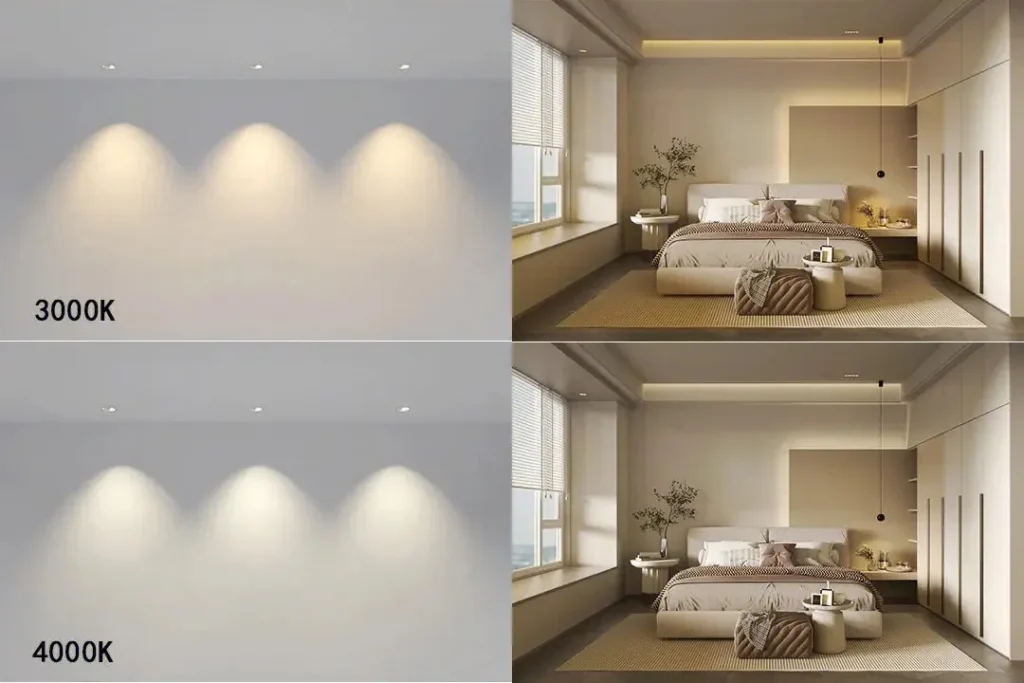
Decorative LED Lighting Maintaining consistent color quality while dimming is essential for decorative lighting. Poor-quality systems may cause color shifting or uneven brightness at lower levels, which can disrupt the intended ambiance. High-quality dimmable LED lights are designed to maintain stable color temperatures across the dimming range. Some advanced systems even offer “warm dim” functionality, where the light becomes warmer as it dims, mimicking the behavior of traditional incandescent bulbs. This feature is particularly popular in decorative applications where warmth and intimacy are desired.
Decorative LED lighting with dimming controls also supports layered lighting design. Layered lighting combines ambient, accent, and task lighting to create depth and visual interest. Dimming allows each layer to be adjusted independently, ensuring balance and harmony within a space. Accent lights can be dimmed to subtly highlight artwork or textures, while ambient lights provide a soft overall glow. This approach enhances architectural details and interior décor without overpowering the space, making dimming an essential tool for designers and homeowners alike.
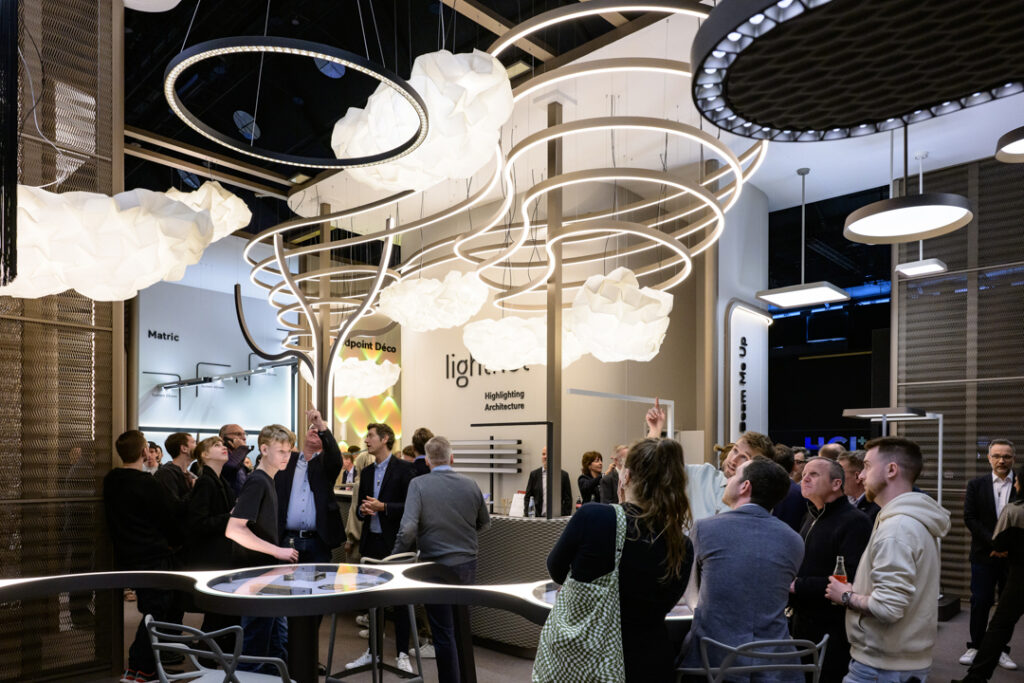
In commercial and hospitality environments, dimming controls are especially valuable for decorative LED lighting. Restaurants, hotels, lounges, and retail spaces rely heavily on lighting to influence customer perception and behavior. Dimmable decorative lighting allows businesses to adjust ambiance throughout the day, from bright and welcoming during peak hours to soft and intimate in the evening. This adaptability improves customer experience while maintaining brand identity. Additionally, dimming systems help businesses reduce operational costs by optimizing energy usage during low-traffic periods.
Controls Are Essential for Modern Decorative LED Lighting
Installation and compatibility are critical considerations when using dimming controls with decorative LED lighting. Not all LED fixtures and dimmers are compatible, and mismatched components can cause flickering, buzzing, or limited dimming range. Consulting lighting professionals or using manufacturer-recommended dimmers ensures smooth performance. Proper wiring, load capacity, and control selection are essential for achieving reliable results. Investing in compatible systems from the beginning prevents future issues and ensures that decorative LED lighting performs as intended over the long term.
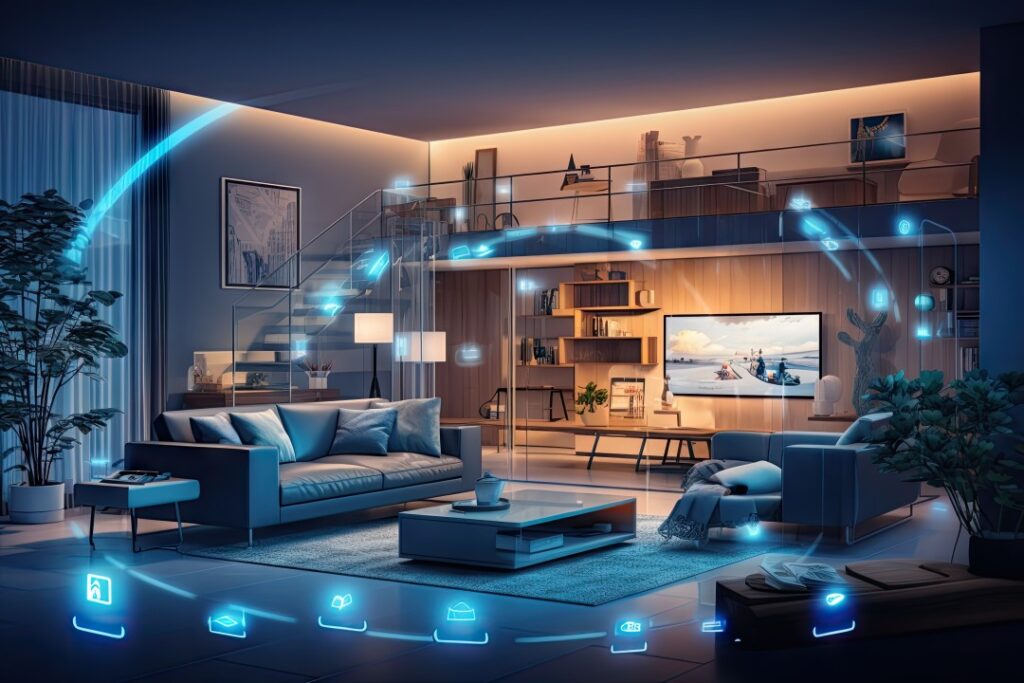
Decorative LED Lighting Dimming controls also support future-ready lighting solutions by integrating with smart home and building automation systems. Decorative LED lights can be programmed to follow daily routines, respond to natural light levels, or adjust automatically based on occupancy. This level of control enhances comfort, convenience, and energy efficiency. As technology continues to advance, dimming systems are becoming more intuitive and accessible, making them an integral part of modern decorative lighting design and a key contributor to smarter, more sustainable living environments.
#DecorativeLEDLighting #LEDLightingDesign #DimmableLED #SmartLighting #AmbientLighting #InteriorLighting #MoodLighting #EnergyEfficientLighting #ModernInteriors #LightingControl