12 Powerful Benefits of LED Lighting LED lighting has become one of the most impactful advancements in modern illumination, offering organizations a wide range of operational, financial, and environmental advantages. As facilities look for smarter ways to reduce costs and improve performance, LED technology stands out as a reliable and future-ready solution. One of the most immediate benefits is energy efficiency. LEDs convert a higher percentage of electricity into visible light rather than wasted heat. This efficiency is measured through luminous efficacy, which shows how many useful lumens are produced per watt. Compared to traditional lighting, LEDs deliver superior brightness with significantly less energy.
The energy savings achieved through LED lighting can be substantial, depending on the existing lighting system being replaced. Facilities that switch from incandescent bulbs to LED solutions can experience efficiency improvements of up to 90 percent. Even compared to CFL or metal halide lighting, LEDs offer noticeable reductions in energy consumption. Lower electricity usage directly translates into reduced utility bills, making LED lighting an effective way to control operational expenses. Over time, these savings allow organizations to recover their initial investment quickly while continuing to benefit from reduced energy costs year after year.
12 Powerful Benefits of LED Lighting
12 Powerful Benefits of LED Lighting Another major advantage of LED lighting is its exceptional lifespan. LED bulbs last significantly longer than traditional light sources, often three to five times longer than compact fluorescent lamps and up to thirty times longer than incandescent bulbs. This extended lifespan means facilities can operate lighting systems for thousands of additional hours without replacement. Reduced replacement frequency minimizes maintenance costs, labor requirements, and downtime. In large facilities or hard-to-reach installations, this longevity becomes especially valuable, allowing organizations to maintain consistent lighting performance with minimal disruption.
LED lighting also plays a vital role in reducing environmental impact, which has become a key priority for many organizations. Lower energy consumption reduces greenhouse gas emissions associated with electricity generation. According to global energy studies, LED lighting is among the most efficient lighting technologies available today. Many countries are actively phasing out inefficient lighting systems in favor of LEDs as part of broader sustainability initiatives. Increased adoption of LED lighting supports global efforts to achieve net zero emissions while helping organizations meet regulatory requirements and appeal to environmentally conscious customers.
LED Lighting for Modern Facilities and Businesses
One often overlooked benefit of LED lighting is its low ultraviolet and heat emissions. Unlike traditional bulbs that emit significant heat and UV radiation, LEDs produce most of their energy as visible light. This makes them ideal for illuminating sensitive environments such as museums, retail displays, and art galleries where UV exposure could damage materials. The minimal heat output also improves safety and comfort while contributing to overall energy efficiency. By avoiding heat waste, LEDs reduce cooling demands and improve the performance of climate-controlled spaces.
12 Powerful Benefits of LED Lighting Safety is another critical area where LED lighting excels. Traditional lighting sources such as fluorescent and mercury vapor lamps contain mercury, which poses health and environmental risks during disposal. LEDs do not contain mercury or other hazardous materials because they rely on semiconductor technology to produce light. This makes them safer to use, handle, and dispose of at the end of their lifespan. Facilities that adopt LED lighting eliminate the need for special disposal procedures, reducing liability while supporting safer and more sustainable waste management practices.
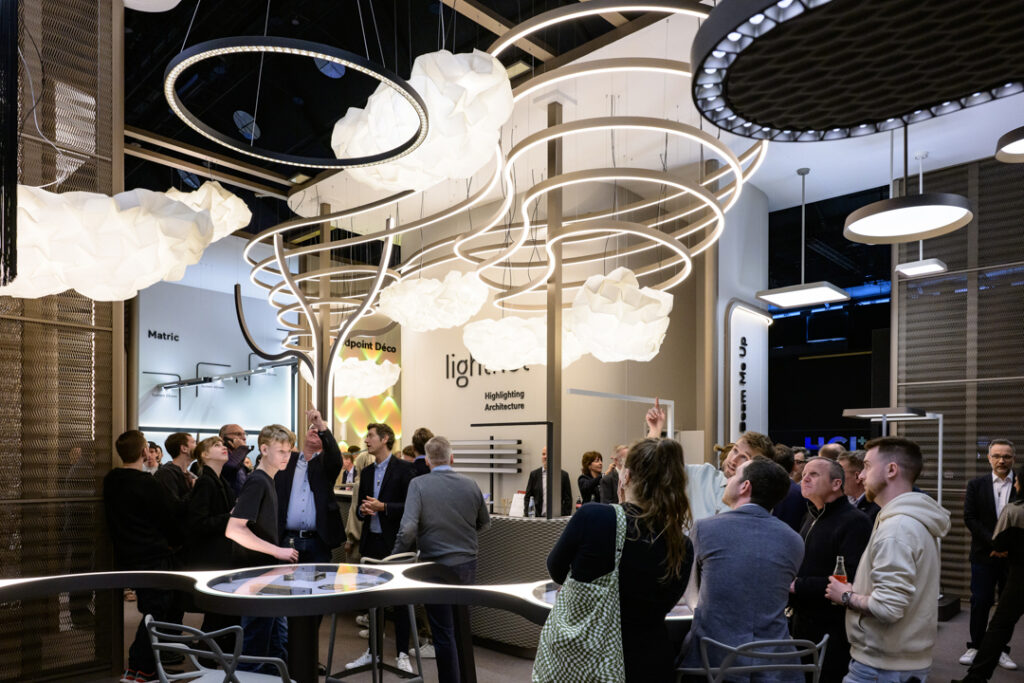
The compact size of LED components provides unmatched flexibility in lighting design. LEDs are extremely small, allowing them to be used in a wide range of applications, from compact devices to large-scale architectural and industrial installations. Their versatility enables creative lighting solutions that enhance aesthetics and functionality. Whether illuminating a small workspace, highlighting architectural details, or lighting an entire stadium, LED lighting adapts seamlessly. This design flexibility gives organizations the freedom to implement customized lighting solutions that align with their operational and visual goals.
Directional lighting is another advantage that sets LEDs apart from traditional light sources. Conventional bulbs emit light in all directions, requiring reflectors or diffusers to redirect illumination toward specific areas. LEDs naturally emit light in a specific direction, making them ideal for applications such as stage lighting, signage, artwork display, and task lighting. This directional nature reduces wasted light and improves overall efficiency. By eliminating the need for additional accessories, LED lighting systems simplify installation while lowering equipment and maintenance costs.
Benefits of LED Lighting
12 Powerful Benefits of LED Lighting LED lighting is also highly durable when it comes to frequent switching and instant operation. Unlike fluorescent or metal halide lights that require warm-up time and degrade with repeated switching, LEDs turn on instantly at full brightness. They can handle frequent on-and-off cycles without loss of performance or lifespan. This makes them ideal for motion-activated lighting, emergency systems, digital displays, and dynamic lighting environments. Instant illumination improves safety and convenience while ensuring reliable performance in demanding applications.
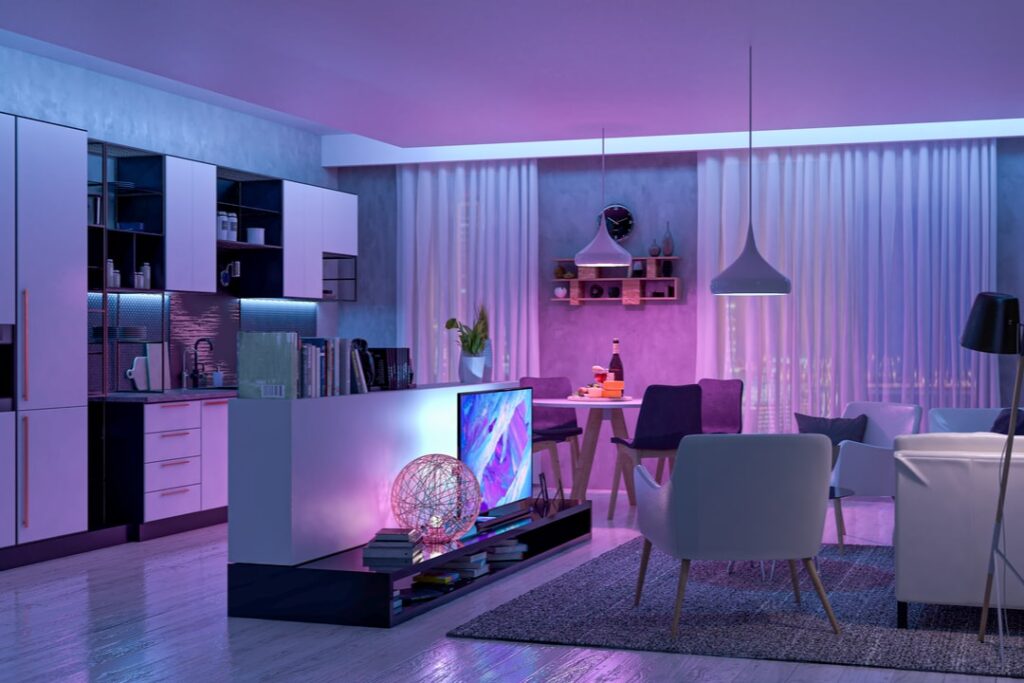
Dimming capability further enhances the efficiency and versatility of LED lighting. LEDs perform efficiently across a wide range of power levels, maintaining performance even when dimmed to low percentages. Dimming allows facilities to adjust lighting based on time of day, occupancy, or specific needs, reducing energy consumption while extending bulb lifespan. Unlike traditional lamps that lose efficiency when dimmed, LEDs become even more efficient at lower output levels. This feature enables precise lighting control while maximizing both energy savings and operational flexibility.
Low-voltage operation is another practical benefit of LED lighting, particularly in environments where safety is a concern. LEDs operate on low voltage, reducing the risk of electric shock in areas prone to flooding or moisture exposure. This makes them suitable for outdoor installations, flood-prone regions, and specialized environments where traditional lighting may not meet safety codes. Their low-voltage nature also enhances reliability and allows for safer integration into emergency and backup lighting systems.
12 Powerful Benefits of LED Lighting LED lighting performs consistently across a wide range of temperatures, unlike traditional bulbs that struggle in extreme conditions. Incandescent lights lose efficiency in cold environments and require higher voltage to operate, while LEDs maintain brightness and performance in both hot and cold settings. This makes LEDs ideal for applications such as parking lots, refrigerated storage, outdoor perimeters, and industrial facilities. Their ability to function efficiently in diverse environments ensures dependable lighting regardless of temperature conditions.
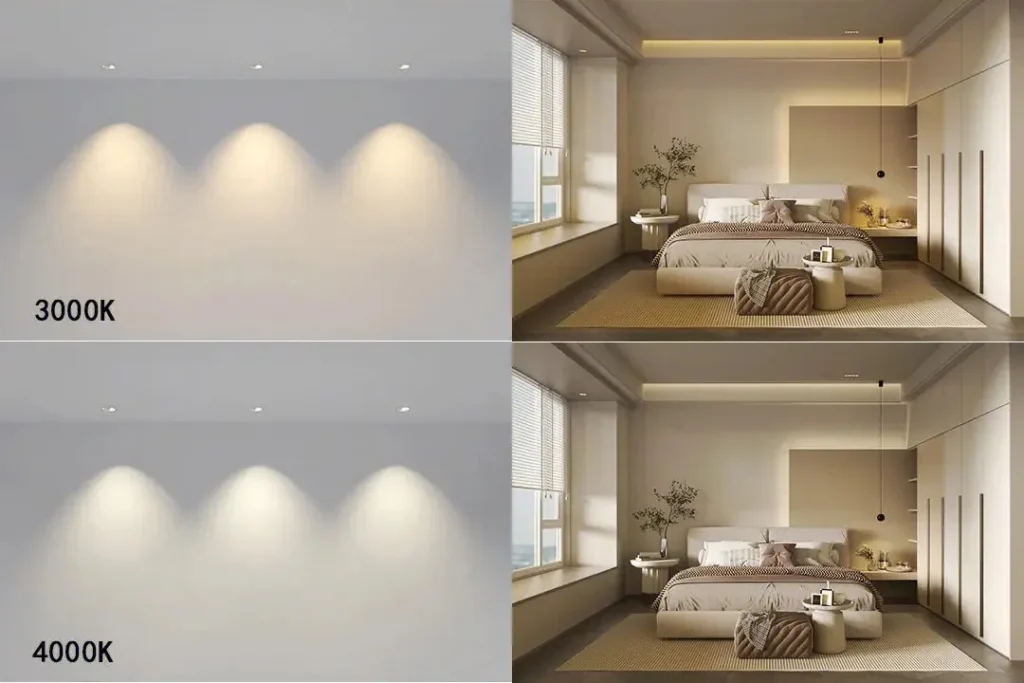
Finally, LED lighting offers an excellent color rendering index, allowing objects to appear more natural and vibrant under illumination. High CRI lighting enhances visual clarity by accurately displaying colors as they appear in natural light. This is especially important in retail, healthcare, hospitality, and work environments where color accuracy matters. Unlike sodium vapor lamps that wash out color details, LEDs provide balanced and precise illumination. This improved visual quality enhances both functionality and aesthetics, making LED lighting a superior choice for modern facilities.
#LEDLighting #EnergyEfficientLighting #SustainableTechnology #CommercialLighting #IndustrialLED #GreenEnergy
#FacilityManagement #SmartLighting #EcoFriendlySolutions #ModernLighting