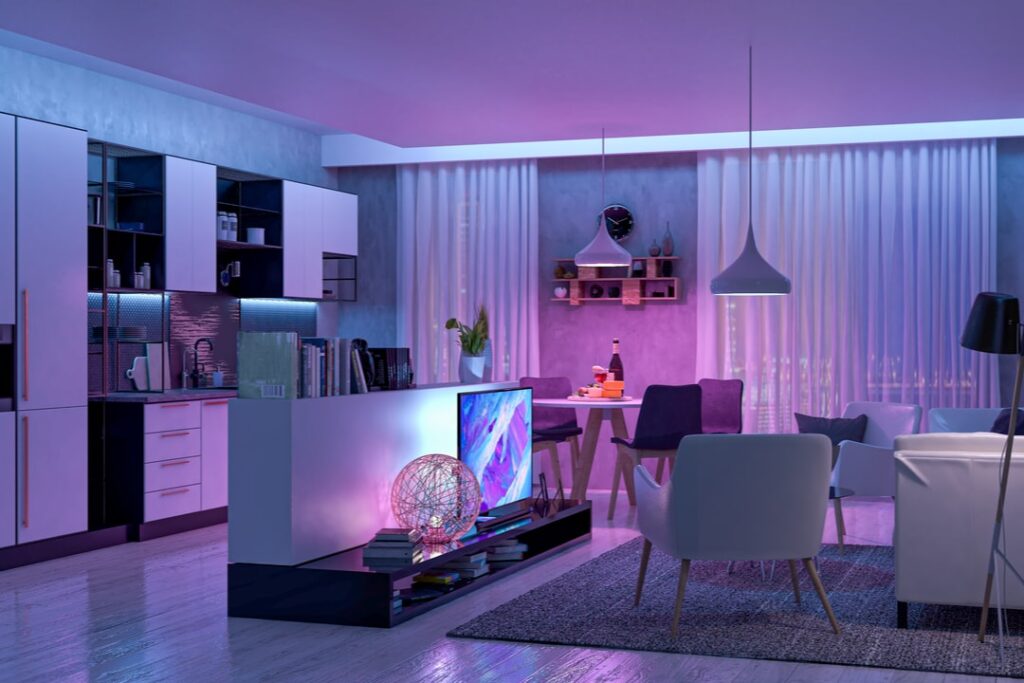
The rise of LED lighting marks one of the most significant shifts in modern energy consumption and design thinking. Across homes, offices, streets, and commercial spaces, people are moving away from traditional lighting and embracing smarter solutions that offer better performance and efficiency. This transition is not driven by trend alone but by necessity, as rising electricity costs and environmental concerns push individuals and organizations to rethink how light is produced and used. LED lighting represents a smarter approach by combining advanced technology with practical benefits that directly improve everyday living.
The Rise of LED Lighting | Why Everyone Is Switching to Smarter Light At the heart of this shift is energy efficiency, which has become a top priority for consumers worldwide. Traditional incandescent and halogen bulbs waste a large portion of electricity as heat, making them inefficient and costly to operate. LED lighting, on the other hand, converts most of its energy into visible light through semiconductor technology. This efficient conversion allows LEDs to produce the same brightness using far less power. As a result, users experience immediate reductions in energy consumption, making LED lighting an easy and effective upgrade.
The Rise of LED Lighting
Cost savings are another major reason behind the widespread adoption of LED lighting. While the initial purchase price of LED bulbs may be higher than conventional options, the long-term financial benefits quickly outweigh the upfront cost. LEDs last significantly longer, often operating for tens of thousands of hours before needing replacement. This extended lifespan reduces the frequency of replacements and lowers maintenance expenses. Over time, households and businesses save substantial amounts on both electricity bills and replacement costs, reinforcing LEDs as a financially smart choice.
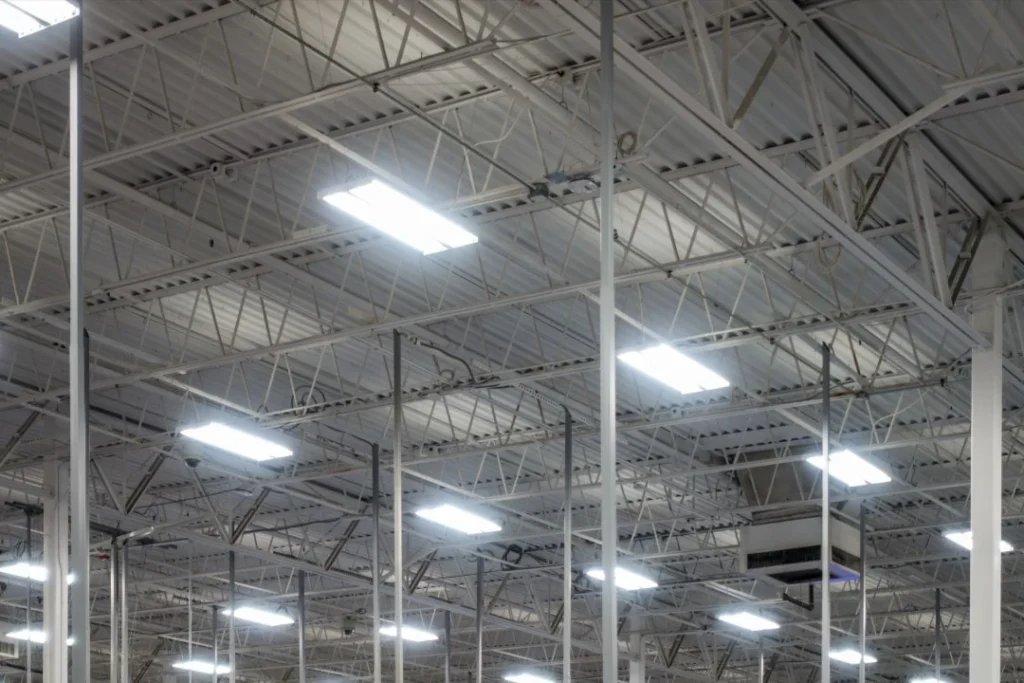
The durability and reliability of LED lighting further contribute to its growing popularity. Unlike traditional bulbs that burn out suddenly or degrade quickly, LEDs provide consistent light output over their lifespan. They are resistant to vibrations, temperature fluctuations, and frequent switching, making them suitable for a wide range of applications. This reliability is especially valuable in commercial, industrial, and outdoor environments where consistent lighting is essential for safety and productivity. With fewer failures and disruptions, LED lighting offers dependable performance in demanding conditions.
The Rise of LED Lighting Another key factor driving the rise of LED lighting is its low heat emission. Conventional lighting sources generate significant heat, which not only wastes energy but also raises indoor temperatures. This excess heat increases the workload on cooling systems, especially in warmer climates. LED lights emit minimal heat, helping maintain comfortable indoor environments while reducing the need for additional cooling. This indirect energy saving further lowers electricity consumption and enhances overall energy efficiency, making LEDs ideal for both residential and commercial spaces.
Why Everyone Is Switching to Smarter Light
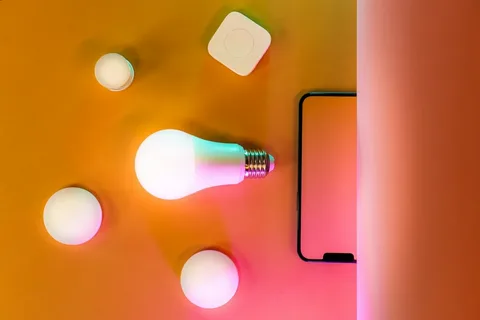
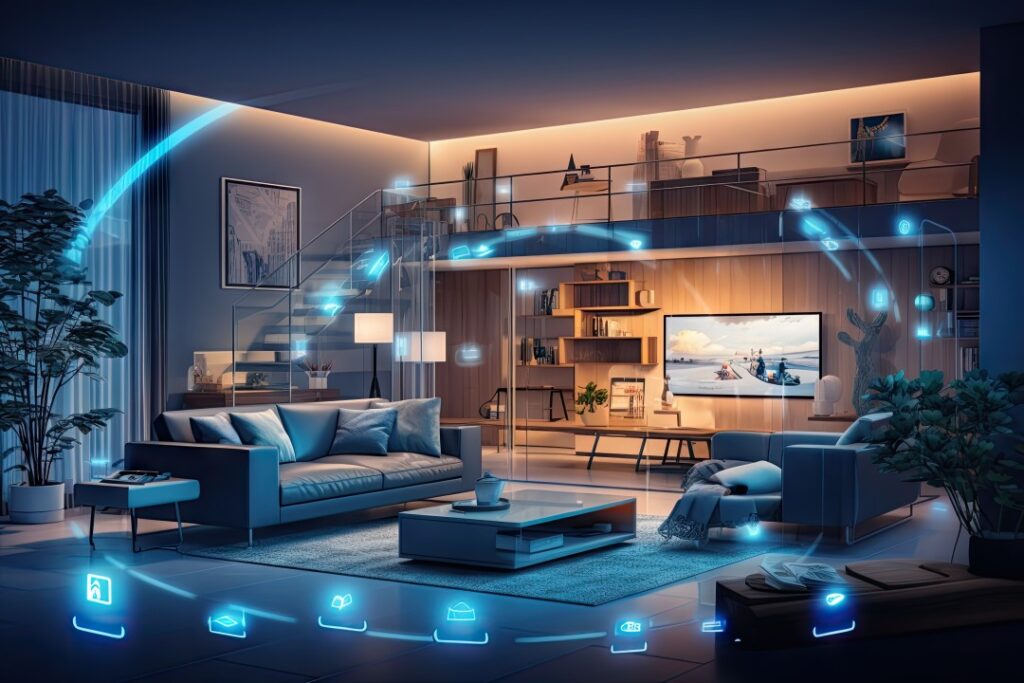
Smarter lighting control has also played a major role in accelerating the adoption of LED technology. LEDs integrate seamlessly with dimmers, motion sensors, timers, and smart automation systems. These features allow users to customize lighting based on occupancy, time of day, or available natural light. Smart controls ensure lights are used only when needed and at appropriate brightness levels, reducing unnecessary energy use. This adaptability transforms lighting from a static utility into an intelligent system that responds to real-world conditions.
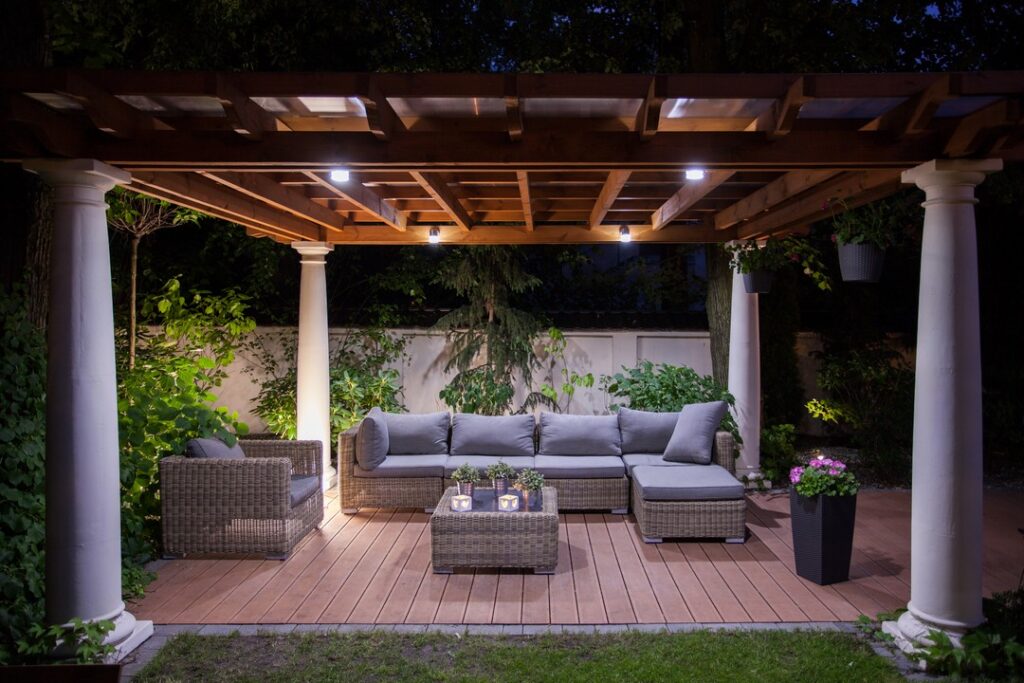
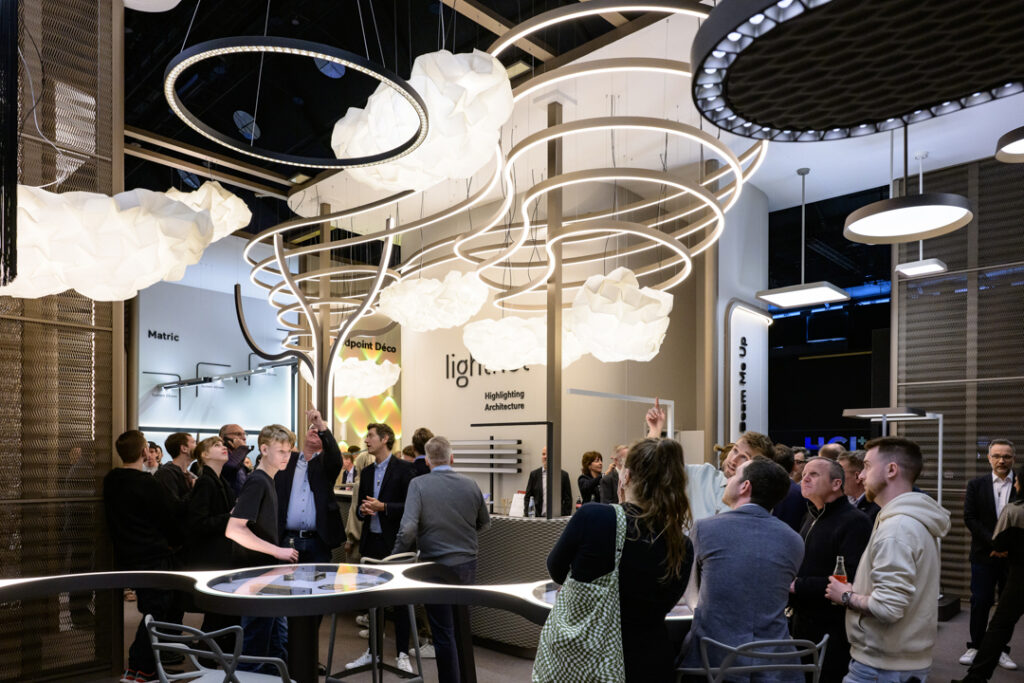
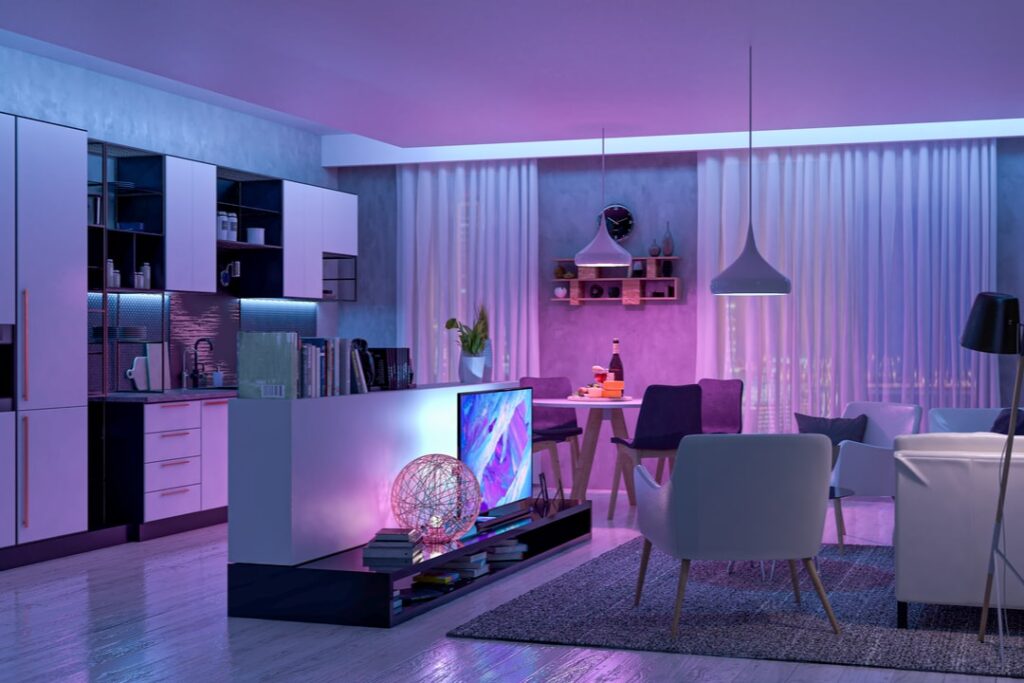
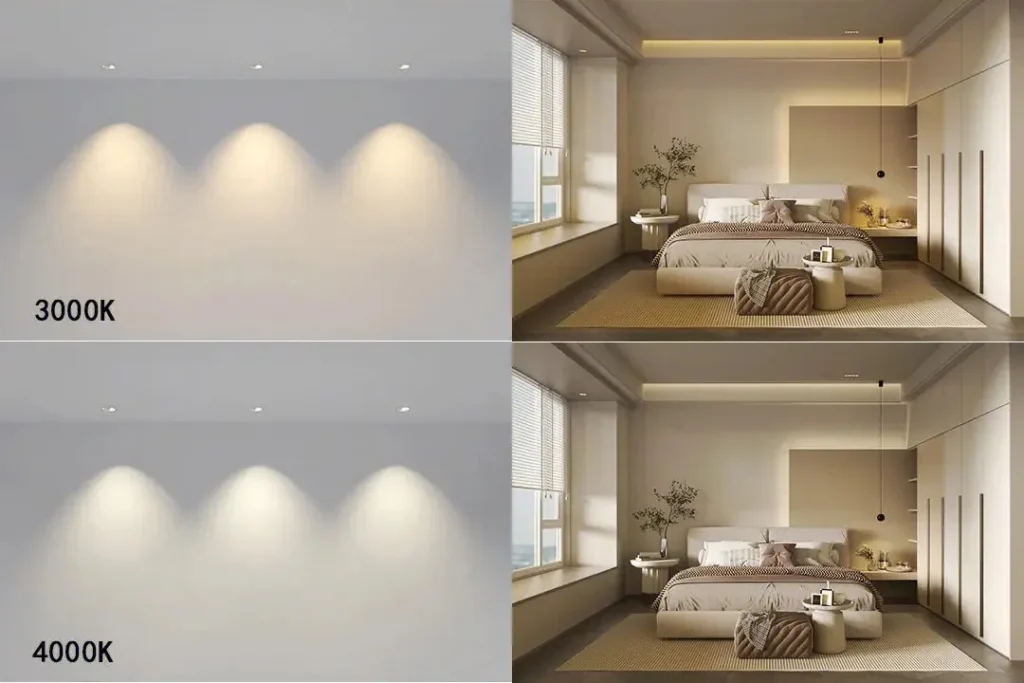
The Rise of LED Lighting Design flexibility is another reason LED lighting has become the preferred choice for modern interiors and architecture. LEDs are compact, versatile, and available in a wide range of color temperatures and styles. They can be used for ambient lighting, task lighting, accent lighting, and decorative applications without sacrificing efficiency. Directional light output allows LEDs to focus illumination precisely where it is needed, reducing wasted light and enhancing visual comfort. This design freedom enables creative lighting solutions that enhance aesthetics while maintaining functionality.
Environmental responsibility is increasingly influencing consumer decisions, and LED lighting aligns perfectly with sustainability goals. Lower energy consumption reduces greenhouse gas emissions associated with power generation. LEDs also contain no mercury or harmful chemicals, unlike some traditional lighting technologies. Their long lifespan reduces waste, as fewer bulbs are discarded over time. Governments and organizations worldwide promote LED adoption as part of energy efficiency and climate action initiatives, making LED lighting a key contributor to a more sustainable future.
The rise of LED lighting is also supported by continuous technological advancements. Improvements in chip design, optics, and drivers have increased efficiency, brightness, and color quality while reducing costs. Smart LED systems now offer connectivity with building management platforms, enabling real-time monitoring and optimization of energy use. These innovations ensure LED lighting remains adaptable and future-ready, capable of evolving alongside changing energy demands and digital infrastructure.
Ultimately, the widespread shift toward LED lighting reflects a broader move toward smarter living and energy-conscious choices. LED technology offers a rare combination of efficiency, cost savings, reliability, and environmental benefits. It transforms lighting from a passive energy expense into an active tool for managing costs and sustainability. As more people recognize the long-term advantages of smarter lighting, LED adoption continues to grow, reshaping how spaces are illuminated and how energy is valued in everyday life.