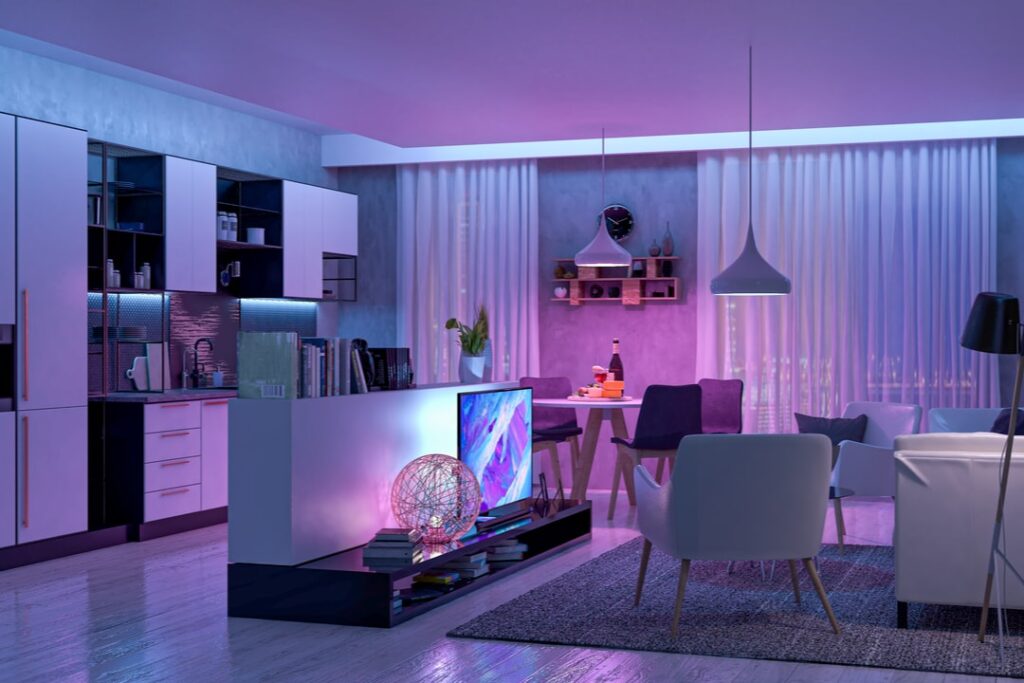
LED Lighting Revolution is a Turning Point Human-centric lighting represents a fundamental shift in how we understand the role of light in everyday life, moving beyond efficiency and cost savings toward improving human health and well-being. Light has always influenced how people feel, think, and function, but traditional lighting systems were designed mainly to illuminate spaces, not to support biological needs. The LED lighting revolution has changed this perspective by making it possible to tailor light to human rhythms. Instead of static illumination, lighting can now adapt to the natural cycles of the human body, creating environments that feel healthier, more supportive, and more intuitive.
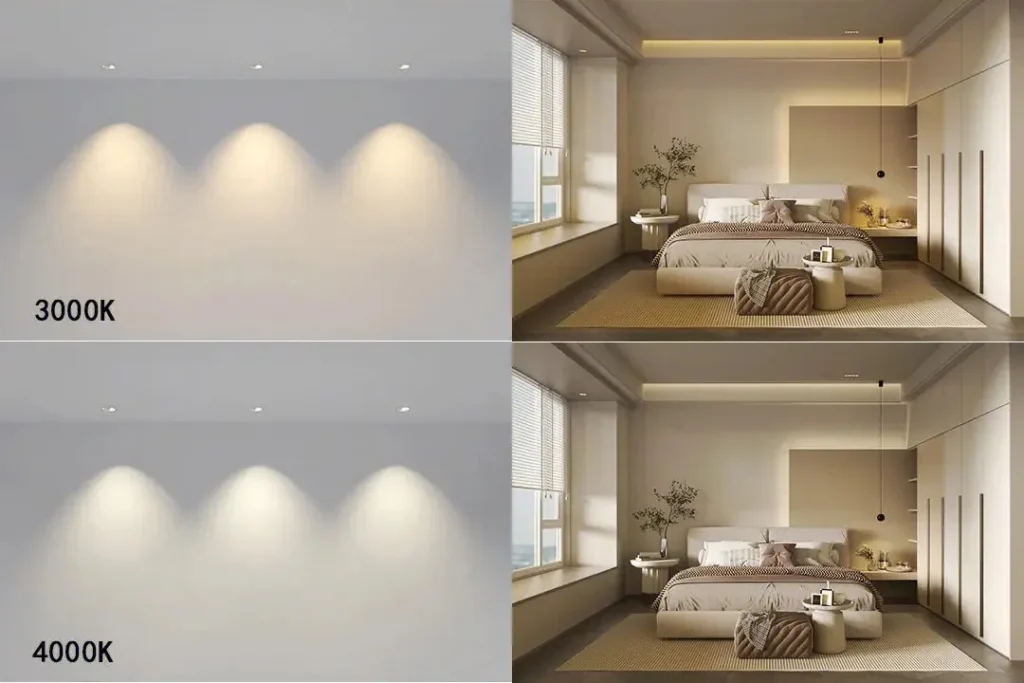
At the core of human-centric lighting is the understanding that light directly affects the circadian rhythm, the internal biological clock that regulates sleep, alertness, and hormone production. Exposure to cooler, brighter light during the day helps promote focus and energy, while warmer, dimmer light in the evening supports relaxation and prepares the body for rest. LED technology makes this possible through tunable color temperatures and dynamic control systems. By aligning artificial lighting with natural daylight patterns, LEDs help reduce circadian disruption caused by modern indoor lifestyles.
LED Lighting Revolution is a Turning Point
LED Lighting Revolution is a Turning Point One of the most meaningful impacts of human-centric LED lighting is its effect on sleep quality. Poor lighting choices, especially exposure to harsh blue light late in the day, can interfere with melatonin production and delay sleep onset. Tunable LED systems allow users to reduce blue light exposure in the evening by shifting toward warmer tones. This creates a smoother transition from day to night, supporting healthier sleep cycles. Better sleep leads to improved mood, stronger immunity, and higher daytime performance, making lighting a subtle but powerful wellness tool.
Mental health and emotional well-being are also deeply influenced by lighting conditions. Dim, poorly designed lighting can contribute to feelings of fatigue, stress, and even depression, particularly in environments with limited access to natural daylight. Human-centric LED lighting helps counter these effects by providing balanced, comfortable illumination that enhances visual clarity without causing glare or strain. Adjustable brightness and color temperature allow spaces to feel more open, calm, and welcoming. LED Lighting Revolution is a Turning Point Over time, these improvements can positively influence emotional resilience and overall mental well-being.
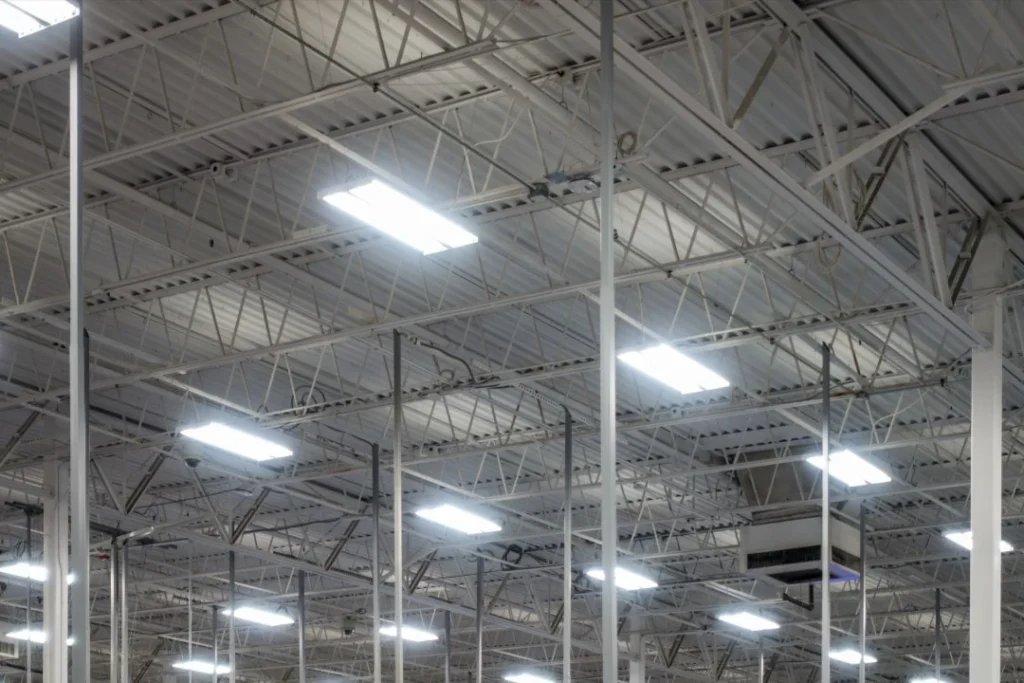
LED Lighting Revolution is a Turning Point In workplaces, the benefits of human-centric LED lighting become especially clear. Productivity, concentration, and cognitive performance are all affected by lighting quality. Bright, cool light during active work periods helps employees stay alert and focused, while softer lighting during breaks reduces eye strain and mental fatigue. LED systems with smart controls can automatically adjust lighting throughout the day to support different tasks and energy levels. This adaptability creates work environments that support people rather than forcing them to adapt to rigid, artificial conditions.
Is LED Lighting Revolution a Turning Point for Wellness and Productivity?
Educational environments also benefit significantly from human-centric lighting principles. Students are highly sensitive to lighting conditions, and poor lighting can negatively affect attention, comprehension, and comfort. Tunable LED lighting in classrooms can support alertness during lessons and promote calm during independent work or exams. By aligning lighting with learning activities, schools can create environments that enhance focus and reduce stress. This approach recognizes lighting as an active contributor to cognitive development rather than a passive background element.
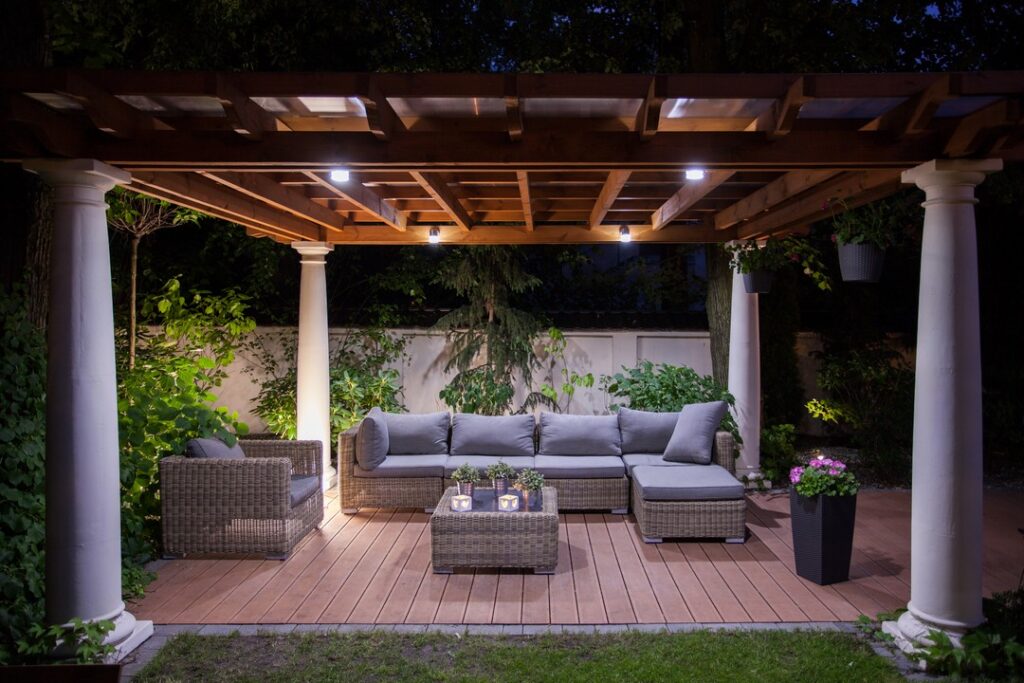
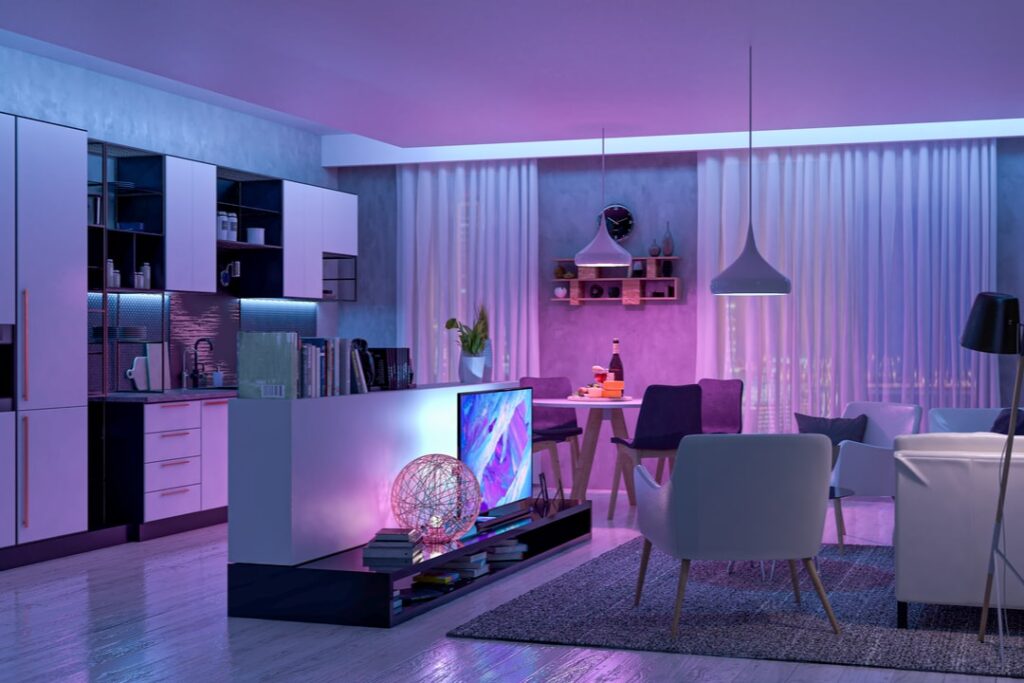
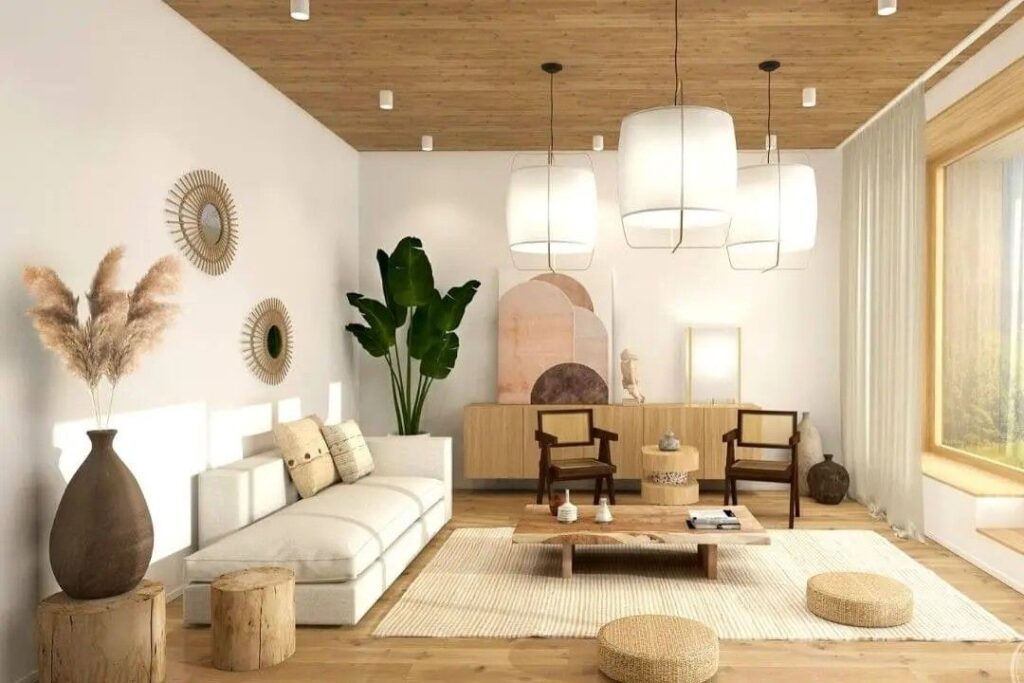
In residential spaces, human-centric LED lighting improves how people experience their homes. Living spaces can shift from energizing in the morning to relaxing in the evening, mirroring natural light patterns. Bedrooms benefit from warm, dim lighting that supports restful sleep, while kitchens and home offices can use brighter, cooler tones to enhance visibility and focus. LED Lighting Revolution is a Turning Point This flexibility allows homes to feel more responsive to daily routines and personal preferences, making living environments more comfortable and emotionally supportive.
LED Lighting Revolution is a Turning Point Healthcare and wellness environments highlight the transformative potential of human-centric LED lighting even further. Patients often spend extended periods indoors, making lighting quality a critical factor in recovery and comfort. Lighting that supports circadian rhythms can help regulate sleep patterns, reduce anxiety, and improve overall patient experience. Medical staff also benefit from lighting that reduces fatigue and enhances alertness during long shifts. In these settings, LED lighting becomes part of a holistic approach to care, supporting both physical and psychological well-being.
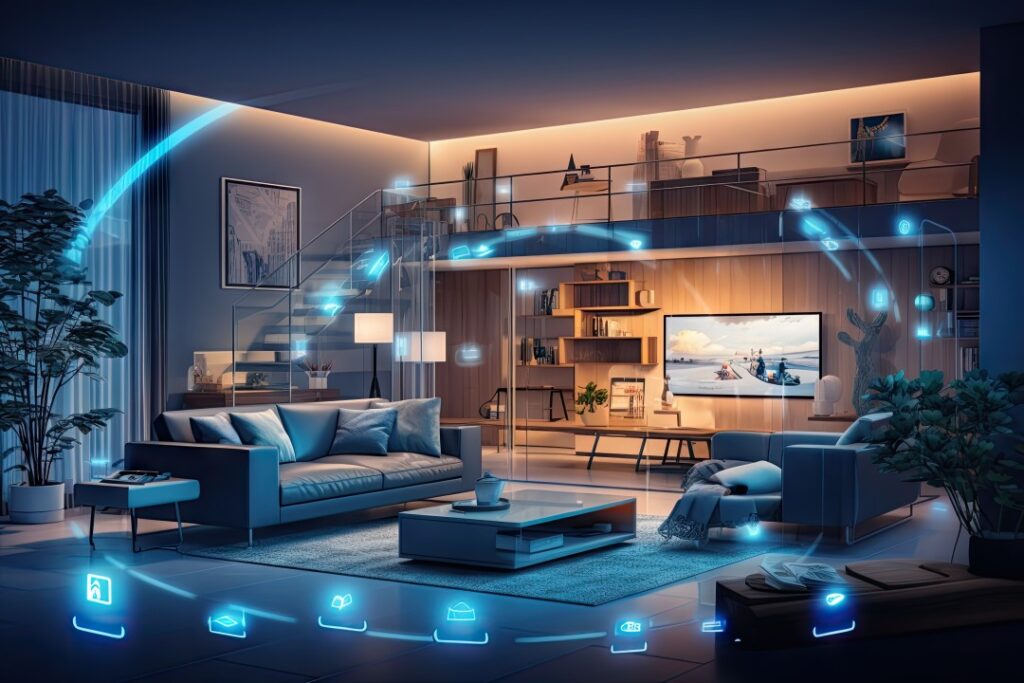
The LED lighting revolution is a turning point because it allows technology to serve human needs more thoughtfully. Smart LED systems can integrate with sensors and automation to respond to occupancy, daylight availability, and time of day. This responsiveness ensures that lighting remains supportive without requiring constant manual adjustment. LED Lighting Revolution is a Turning Point By reducing visual discomfort and cognitive strain, human-centric lighting helps people feel more comfortable and productive in the spaces where they spend most of their time.
LED Lighting Revolution is a Turning Point Ultimately, human-centric LED lighting shifts the conversation from saving money to supporting people. While energy efficiency and cost savings remain important benefits, the true value lies in how lighting shapes daily experiences, health, and performance. By aligning artificial light with human biology, LED technology helps create environments that promote wellness, productivity, and emotional balance. As awareness grows, human-centric lighting is set to become a defining standard in how we design and experience spaces, marking a meaningful step toward healthier, more human-focused living.
#HumanCentricLighting #LEDLighting #WellnessDesign #ProductivityLighting #CircadianLighting #SmartLighting #HealthySpaces #ModernLighting