The modern world is undergoing a quiet yet profound transformation, one that often goes unnoticed because it happens above our heads, behind walls, and within the devices we use every day. Lighting, once a simple utility designed to push back darkness, has become a defining element of how we experience spaces, cities, and even time itself. The LED lighting revolution represents a new era of brilliance, not through spectacle, but through subtle improvements in efficiency, control, and visual comfort that are reshaping our built environment in deeply influential ways.
For centuries, artificial lighting followed a linear path, from fire to filament, offering illumination at the cost of energy waste, heat, and limited control. Incandescent and fluorescent sources shaped the visual language of homes, offices, and streets, but they imposed rigid limitations on design and experience. LED technology disrupted this trajectory by introducing a light source that is compact, efficient, and endlessly adaptable. This shift did not merely replace older bulbs; it redefined what light could do, how it could behave, and how it could interact with human activity.
A New Era of Brilliance
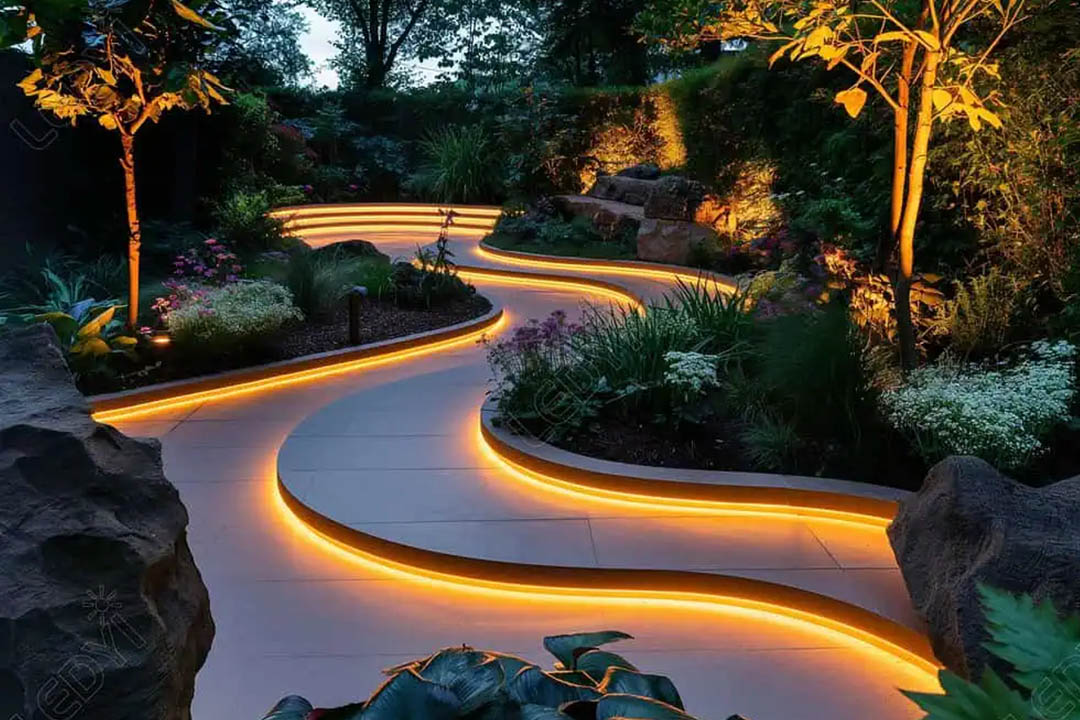
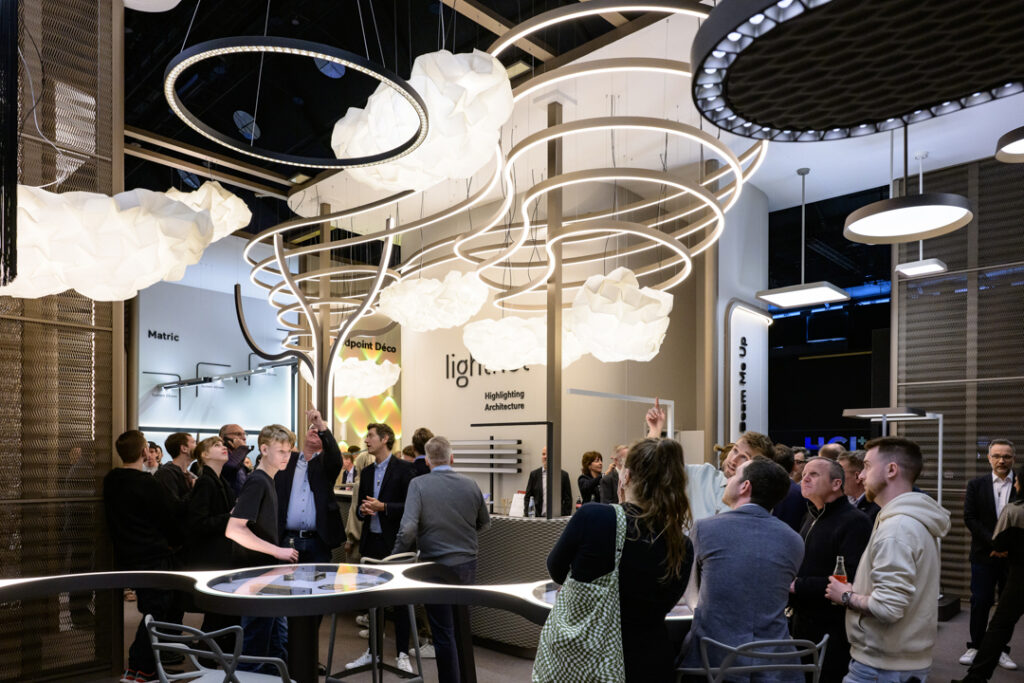
A New Era of Brilliance: How LED Lighting Is Redefining the Way We See Modern Spaces. One of the most significant changes brought by LED lighting is its influence on the modern visual landscape. Cities now glow with clarity rather than glare, and architectural forms are highlighted with precision rather than washed out by excessive brightness. LEDs allow light to be placed exactly where it is needed, in exactly the quantity required, reducing visual noise and improving spatial perception. This precision has transformed urban nightscapes into safer, more readable environments, subtly improving how people navigate and emotionally respond to public spaces.
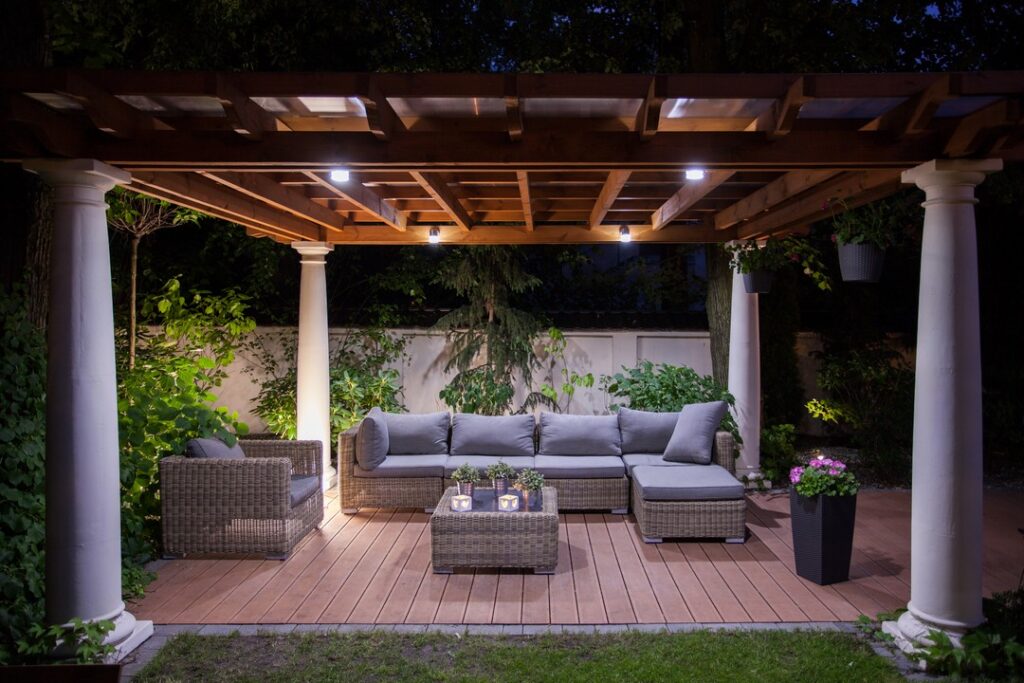
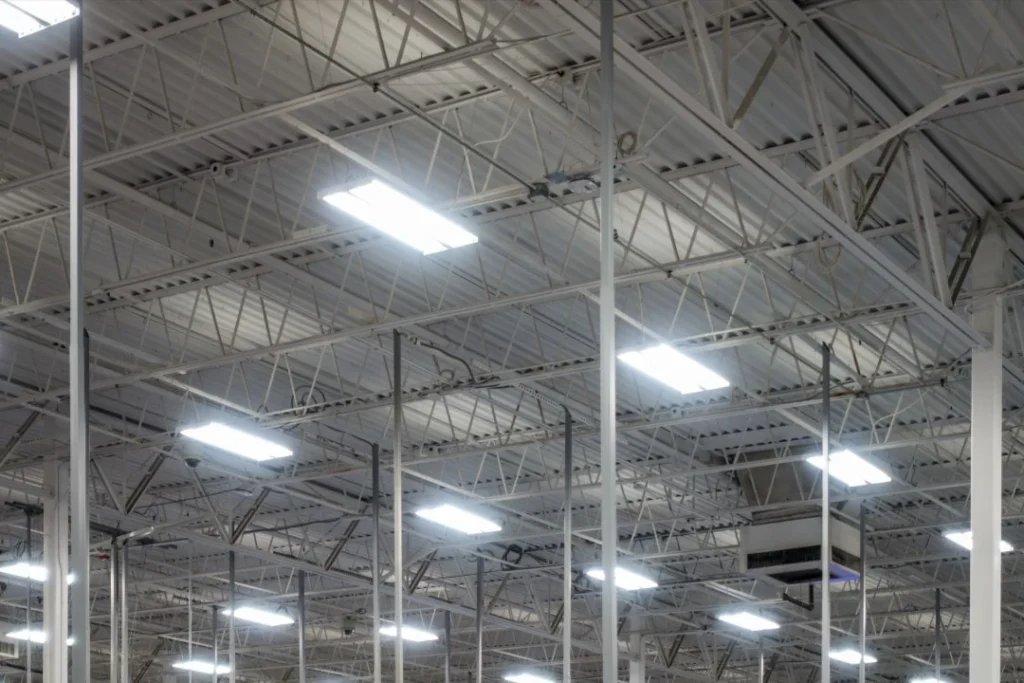
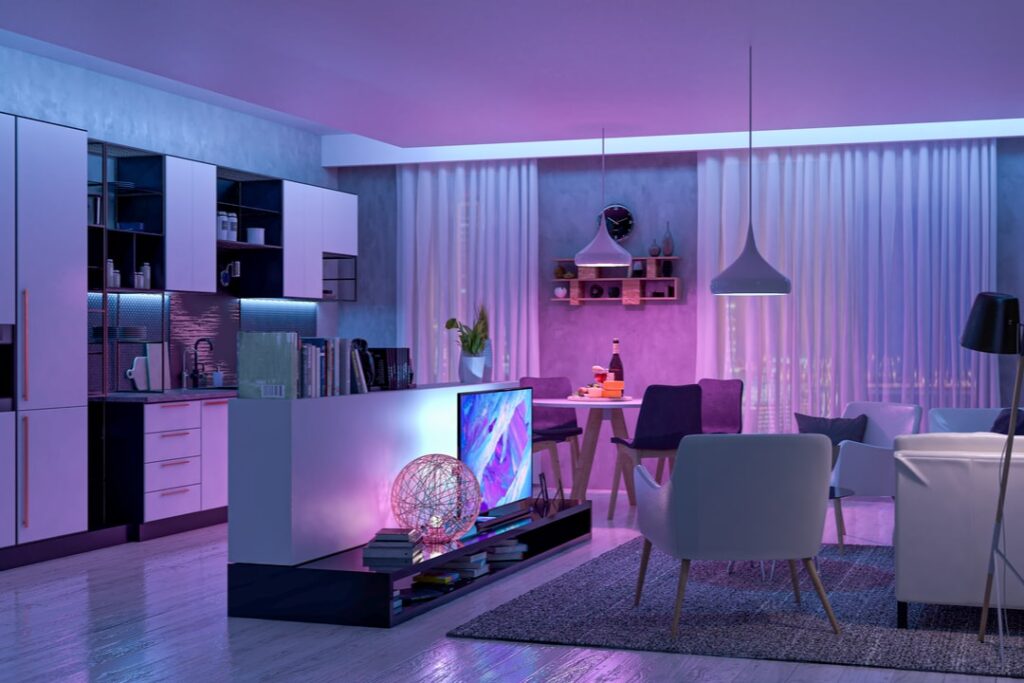
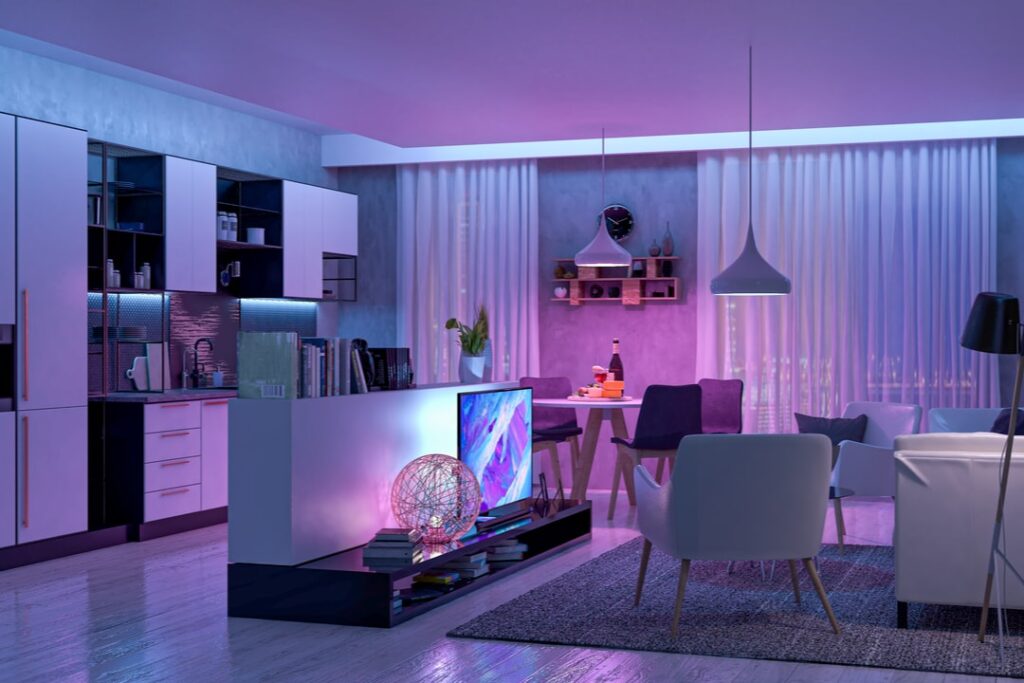
Inside buildings, LED lighting has restructured how interiors are perceived and used. Spaces are no longer constrained by fixed lighting tones or uniform brightness. Instead, environments can be layered with light, creating depth, contrast, and atmosphere. Offices feel sharper and more focused, retail spaces more inviting and dynamic, and homes more responsive to daily rhythms. This evolution has quietly raised expectations, making poorly lit environments feel outdated or uncomfortable without users consciously understanding why.
Energy efficiency remains one of the most visible benefits of LED lighting, but its impact extends beyond reduced electricity bills. Lower energy consumption allows lighting to be used more thoughtfully, without the guilt of waste. Public spaces can remain illuminated longer, pathways can be safer, and architectural details can be celebrated without excessive power use. This balance between abundance and responsibility is central to the LED revolution, aligning modern aesthetics with sustainability in a way previous technologies could not achieve.
A New Era of Brilliance | How LED Lighting Is Redefining the Way We See Modern Spaces.
A New Era of Brilliance Another defining aspect of this transformation is the longevity of LED lighting. Traditional bulbs trained users to expect frequent failure and replacement, making lighting a maintenance concern rather than a stable infrastructure element. LEDs, with lifespans measured in tens of thousands of hours, change this relationship entirely. Lighting becomes a long-term design decision rather than a recurring expense. This reliability supports consistent visual environments over time, preserving design intent and reducing disruptions caused by uneven or failing light sources.
The silent transformation also extends into how lighting interacts with human perception and comfort. LEDs can deliver high-quality illumination with minimal flicker, reduced glare, and excellent color rendering. This improves visual clarity while reducing eye strain, especially in environments where people spend long hours under artificial light. The result is a more comfortable visual experience that supports concentration, reduces fatigue, and subtly enhances overall well-being without demanding attention or adjustment from the user.
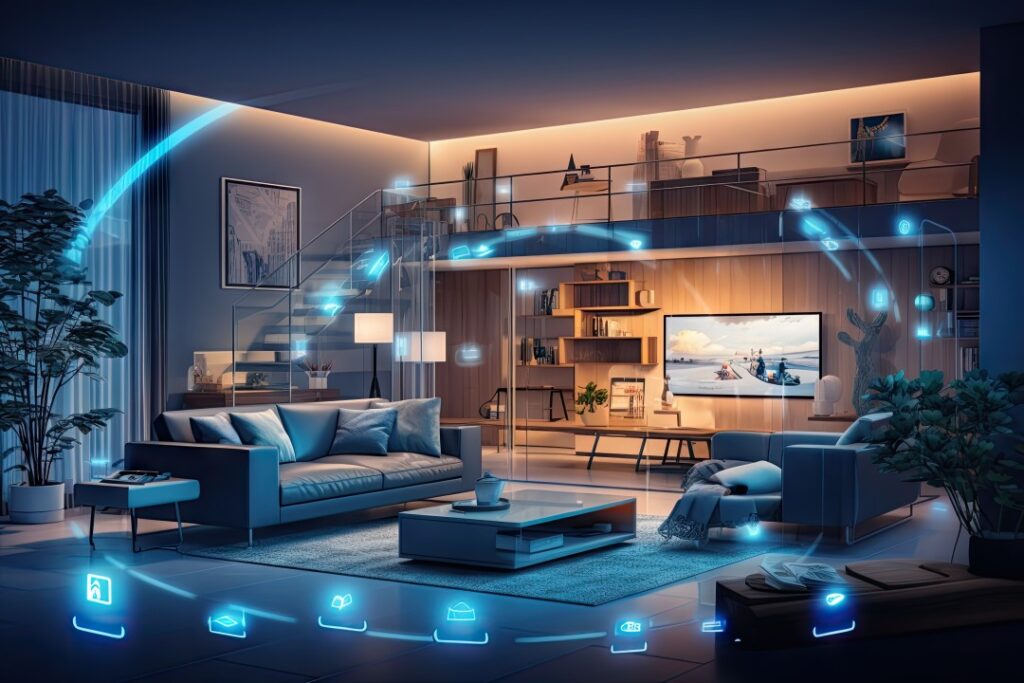
A New Era of Brilliance As LED technology matured, it opened the door to intelligent lighting systems that respond to context rather than remaining static. Light can now adapt to time of day, occupancy, and available daylight, creating environments that feel alive rather than mechanical. This responsiveness contributes to a sense of visual harmony, where lighting supports activity rather than competing with it. Such systems quietly optimize both energy use and human comfort, reinforcing the idea that the best technology is often the least noticeable.
How LED Lighting Is Redefining the Way
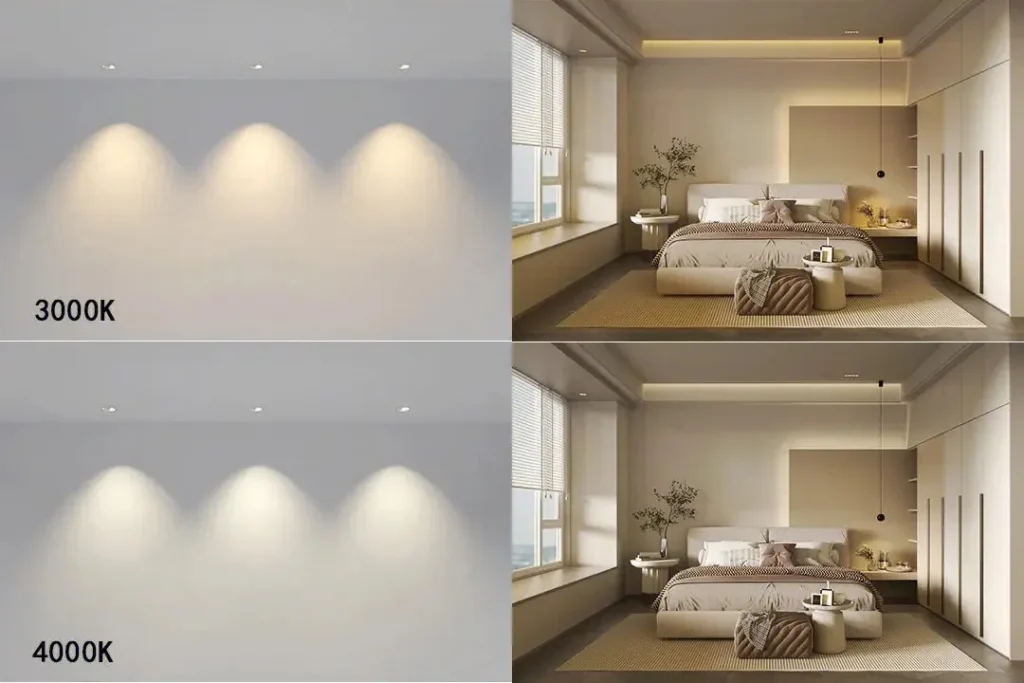
Culturally, the LED revolution has reshaped how we associate light with progress and quality. Brightness alone is no longer a marker of modernity; control, balance, and subtlety are. Warm, carefully tuned lighting signals sophistication, while harsh, inefficient light feels outdated. This shift reflects a broader change in values, where thoughtful design and sustainability are seen as indicators of advancement. LED lighting has become a silent language through which modern spaces communicate care, intention, and intelligence.
Looking ahead, the influence of LED lighting on our visual landscape will continue to deepen. As integration with smart systems, sensors, and connectivity expands, lighting will become even more adaptive and personalized. Yet the most important aspect of this revolution may remain its quiet nature. By improving how spaces look, feel, and function without drawing attention to itself, LED lighting exemplifies a new era of brilliance, one defined not by excess, but by clarity, efficiency, and human-centered design.
#LEDLighting #LightingRevolution #ModernLighting #VisualLandscape #SmartLighting #SustainableDesign #ArchitecturalLighting #FutureOfLighting