Beyond Brightness: How LED Lighting Shapes Smarter Cities and Better Living Spaces LED lighting has quietly become one of the most powerful forces shaping modern architecture, urban environments, and everyday human experiences. What began as a simple technological alternative to incandescent bulbs has evolved into a transformative design and energy solution that influences how spaces look, feel, and function. LEDs are no longer just light sources; they are tools that shape emotion, behavior, and sustainability. Their efficiency, adaptability, and longevity have allowed designers, city planners, and homeowners to rethink lighting not as a utility, but as a strategic element that enhances visual identity, comfort, and environmental responsibility across every scale of life.
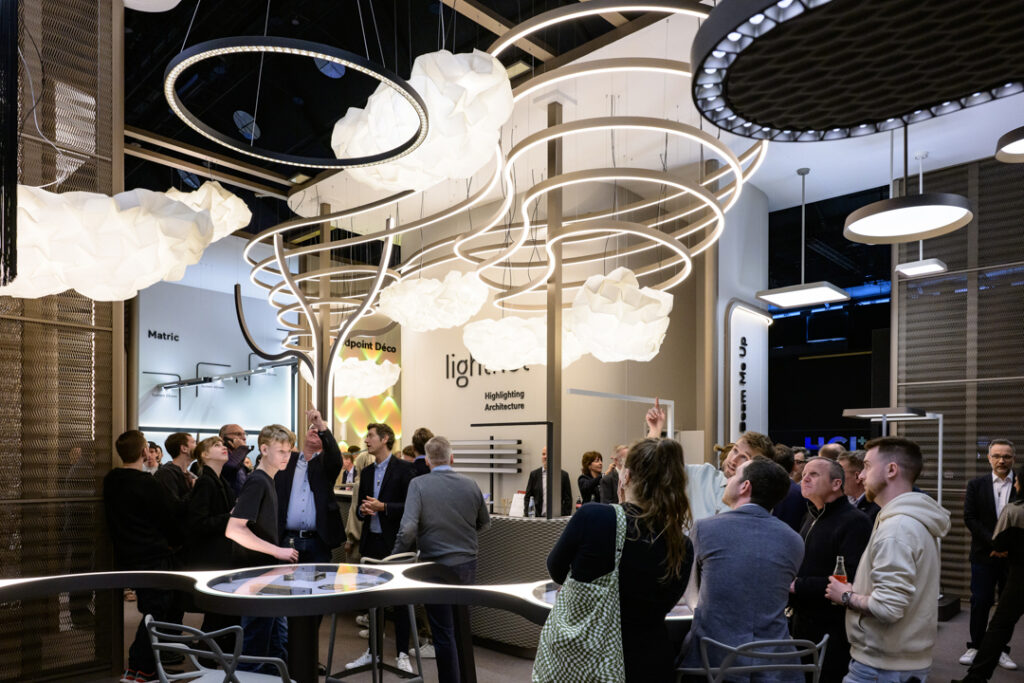
In architecture, LED lighting has redefined how buildings communicate with people. The small size and low heat output of LEDs allow them to be integrated seamlessly into walls, ceilings, floors, and facades, enabling light to become part of the structure itself rather than an added fixture. Architects now use lighting to highlight textures, materials, and forms, turning buildings into expressive visual statements both day and night. From subtle interior illumination to dramatic exterior lighting, LEDs allow architecture to convey mood, prestige, and purpose while maintaining strict energy efficiency standards that modern construction demands.
How LED Lighting Shapes Smarter Cities and Better Living Spaces
Cities around the world have also experienced a dramatic transformation through the adoption of LED lighting. Urban landscapes once dominated by harsh, uneven sodium or halogen streetlights are now replaced by clean, uniform LED illumination that enhances visibility and safety. LED street lighting reduces glare, improves nighttime navigation, and creates more welcoming public spaces. At the same time, municipalities benefit from lower energy consumption and reduced maintenance costs, freeing up public budgets. These improvements allow cities to operate more efficiently while improving the quality of life for residents and visitors alike.
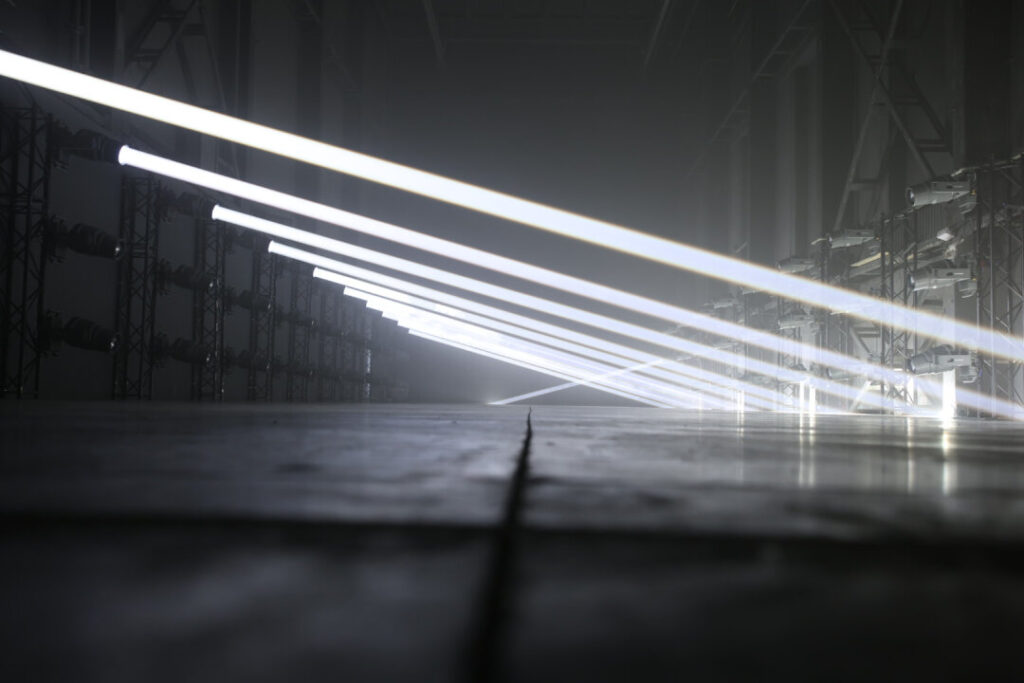
Beyond Brightness Beyond basic illumination, LEDs have given cities a new visual language. Architectural landmarks, bridges, parks, and public squares are now illuminated with dynamic lighting designs that create identity and cultural recognition. LED technology allows for color-changing effects, programmable scenes, and event-based lighting displays that celebrate festivals, national events, or social causes. This ability to tell stories through light has turned cities into living canvases, where illumination enhances civic pride, tourism, and community engagement without excessive energy use or environmental impact.
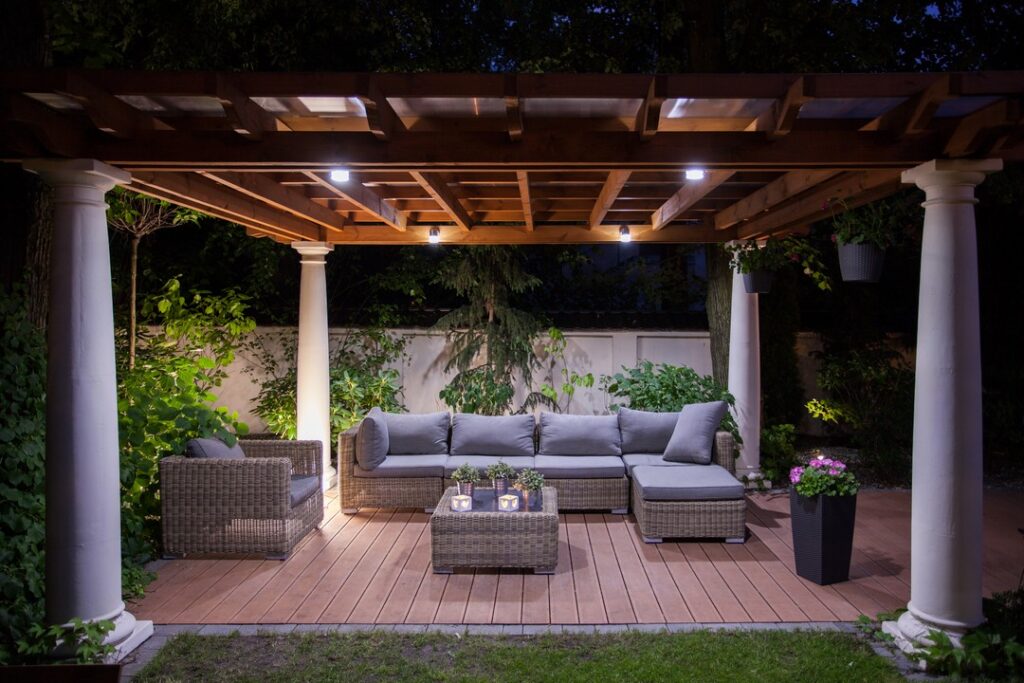
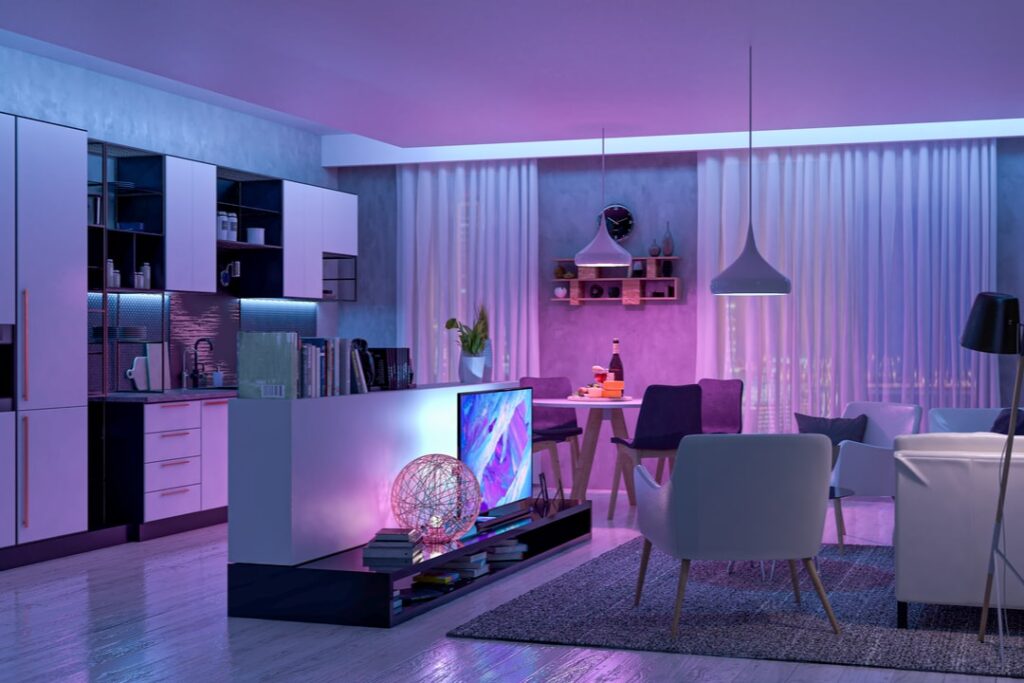
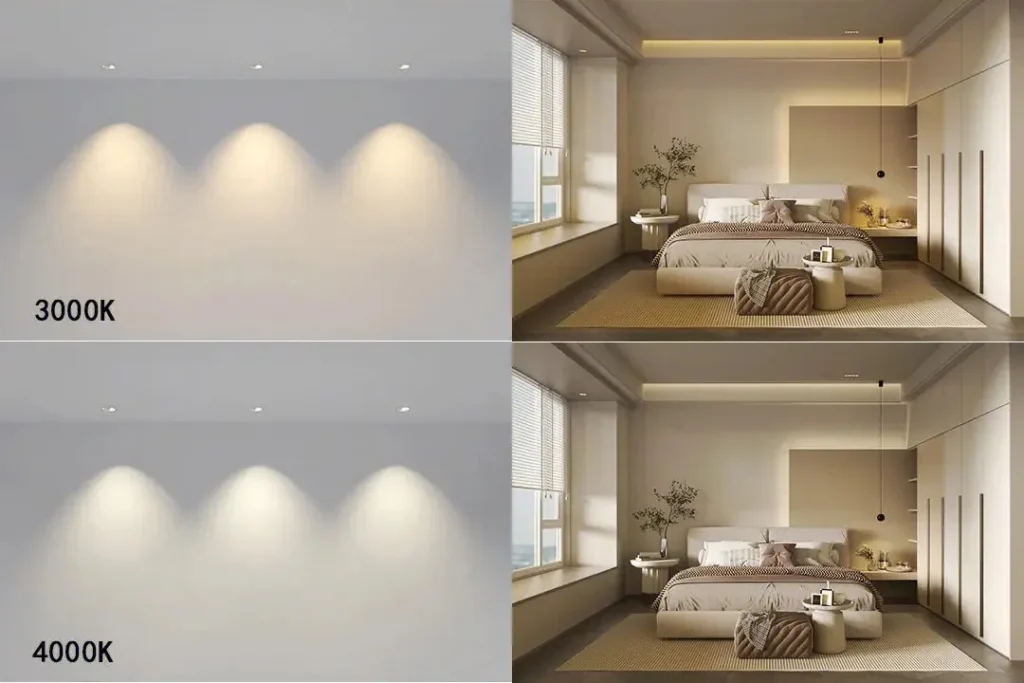
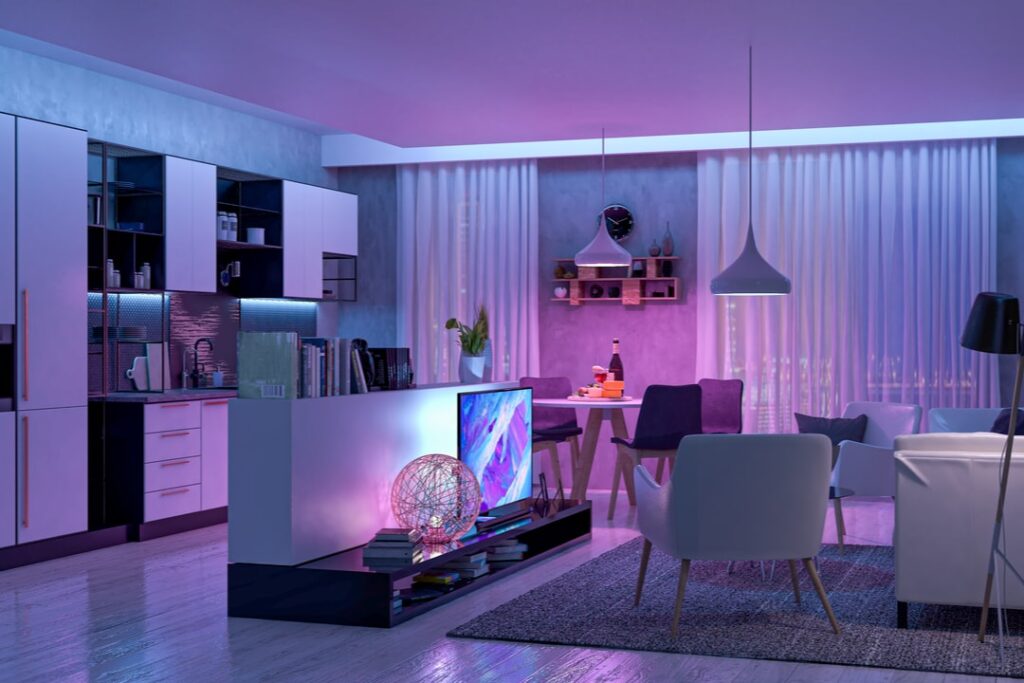
Beyond Brightness In everyday life, LED lighting has reshaped how people interact with their homes and workplaces. Modern households rely on LEDs not just for brightness but for comfort and personalization. Adjustable color temperatures allow residents to use warm light for relaxation and cooler tones for productivity, supporting natural circadian rhythms. Dimming controls and smart integration give users control over ambiance and energy usage. Lighting is no longer static; it adapts to routines, emotions, and lifestyles, making everyday spaces more responsive to human needs.
Beyond Brightness
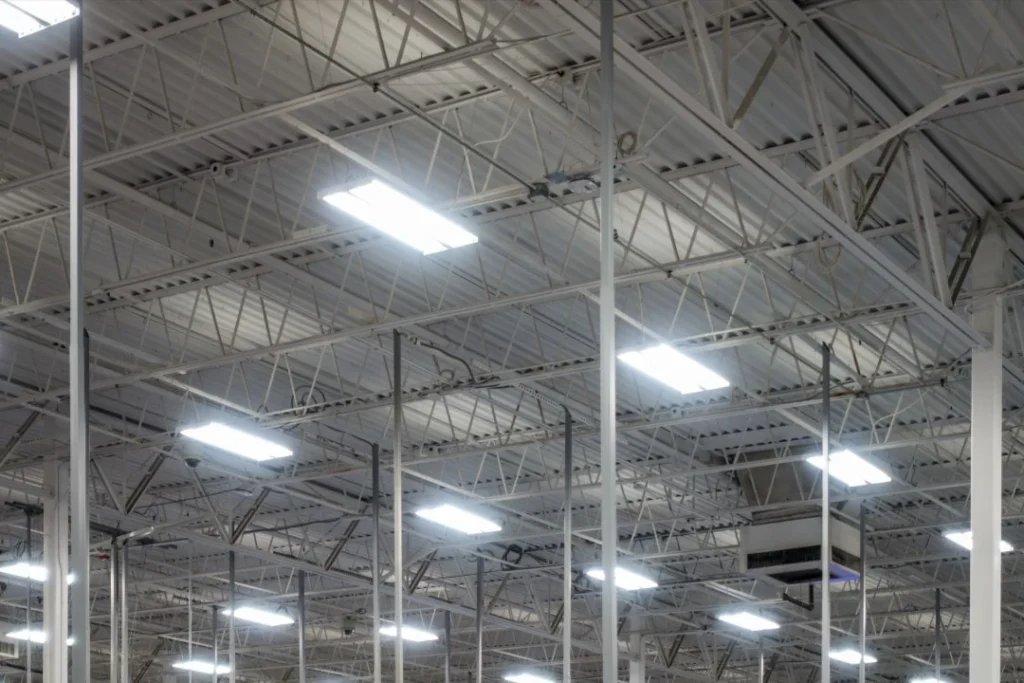
Work environments have particularly benefited from the rise of LED lighting. Offices, factories, and commercial spaces now use LED systems to improve focus, reduce eye strain, and enhance overall productivity. High color rendering and flicker-free performance ensure visual comfort during long working hours. Human-centric lighting designs, made possible by LED technology, adjust brightness and color throughout the day to align with natural daylight patterns. This approach has been shown to support employee well-being, reduce fatigue, and create healthier, more engaging workspaces.
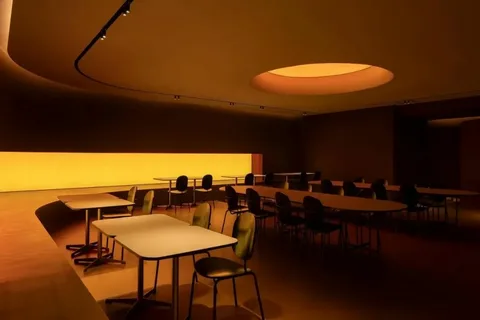
Beyond Brightness Retail, hospitality, and entertainment sectors have also embraced LED lighting as a critical design and marketing tool. In retail spaces, LEDs enhance product colors and guide customer attention, influencing purchasing behavior. Hotels and restaurants use layered LED lighting to create atmosphere, intimacy, and brand identity. Entertainment venues rely on dynamic LED systems for immersive experiences, from subtle mood shifts to dramatic visual effects. The flexibility and precision of LED lighting allow businesses to craft memorable environments while keeping energy costs under control.
From an environmental perspective, LED lighting plays a crucial role in building more sustainable cities and lifestyles. LEDs consume significantly less electricity than traditional lighting sources, leading to substantial reductions in carbon emissions. Their long lifespan minimizes waste and reduces the frequency of replacements, lowering material consumption and maintenance demands. The absence of hazardous materials like mercury further improves environmental safety. Collectively, these advantages position LED lighting as a foundational technology in global efforts toward energy efficiency and climate responsibility.
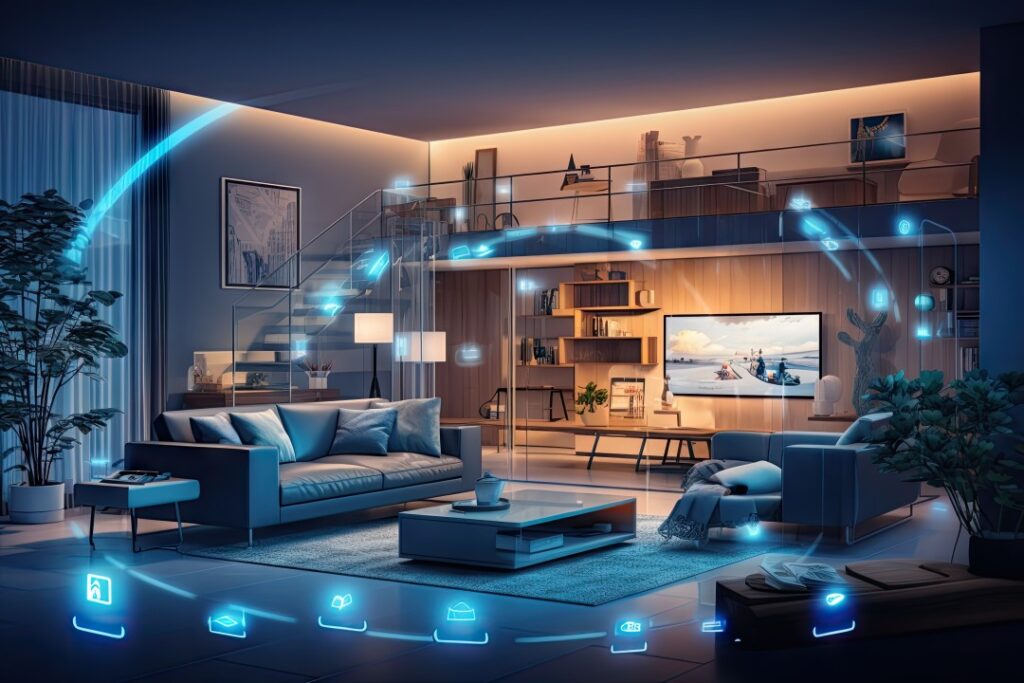
Beyond Brightness Technological innovation continues to expand the influence of LED lighting through smart systems and connectivity. Smart LED networks integrate sensors, automation, and data analytics to adjust lighting based on occupancy, daylight availability, and usage patterns. In cities, this means adaptive street lighting that responds to real-time conditions. In homes, it means personalized lighting scenes controlled through mobile devices or voice assistants. This convergence of lighting and digital intelligence transforms illumination into an active participant in smart living and urban management.
Beyond Brightness
Ultimately, the impact of LED lighting on architecture, cities, and everyday life lies in its ability to merge efficiency with experience. It enables beautiful buildings, safer streets, healthier homes, and more sustainable communities without demanding compromise. LED lighting represents a shift in how humanity uses energy, designs spaces, and interacts with the built environment. As technology advances and awareness grows, LEDs will continue to shape the visual and emotional landscape of modern life, illuminating not just spaces, but the future itself.
#LEDLighting #SmartLighting #UrbanDesign #ArchitectureLighting #SustainableCities #EnergyEfficiency #ModernArchitecture #HumanCentricLighting #GreenTechnology #FutureOfLighting