Lighting the Safer City
The LED lighting revolution represents a profound shift in how cities protect people, shape behavior, and enhance human vitality after dark. Lighting is no longer a passive utility that merely pushes back darkness; it has become an active system that influences safety, perception, and health. As urban populations grow and cities operate around the clock, the demand for intelligent, responsive illumination has intensified. LEDs answer this demand by combining precision, efficiency, and adaptability. Through thoughtful implementation, LED lighting now plays a central role in reducing crime, improving visibility, and creating urban environments that feel safer, more welcoming, and deeply human-centered.
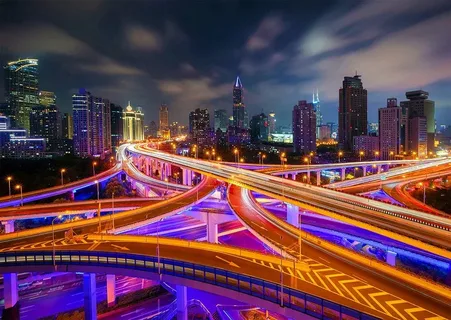
Urban safety has always depended on visibility, but traditional lighting often failed to deliver consistency or clarity. Uneven illumination, glare, and shadowed zones created spaces where accidents and crime could thrive. LED lighting changes this dynamic by providing uniform, high-quality light that enhances facial recognition, depth perception, and spatial awareness. Well-lit streets, walkways, and transit areas discourage criminal activity by increasing natural surveillance and reducing concealment opportunities. Unlike older systems, LEDs can be strategically directed exactly where needed, ensuring that public spaces feel open, readable, and secure rather than harsh or overexposed.
Lighting the Safer City The LED lighting revolution represents a profound shift in how cities protect people, shape behavior, and enhance human vitality after dark. Lighting is no longer a passive utility that merely pushes back darkness; it has become an active system that influences safety, perception, and health. As urban populations grow and cities operate around the clock, the demand for intelligent, responsive illumination has intensified. LEDs answer this demand by combining precision, efficiency, and adaptability. Through thoughtful implementation, LED lighting now plays a central role in reducing crime, improving visibility, and creating urban environments that feel safer, more welcoming, and deeply human-centered.
Urban safety has always depended on visibility, but traditional lighting often failed to deliver consistency or clarity. Uneven illumination, glare, and shadowed zones created spaces where accidents and crime could thrive. LED lighting changes this dynamic by providing uniform, high-quality light that enhances facial recognition, depth perception, and spatial awareness. Well-lit streets, walkways, and transit areas discourage criminal activity by increasing natural surveillance and reducing concealment opportunities. Unlike older systems, LEDs can be strategically directed exactly where needed, ensuring that public spaces feel open, readable, and secure rather than harsh or overexposed.
Lighting the Safer City: How LEDs Are Redefining Urban Security and Human Well-Being.
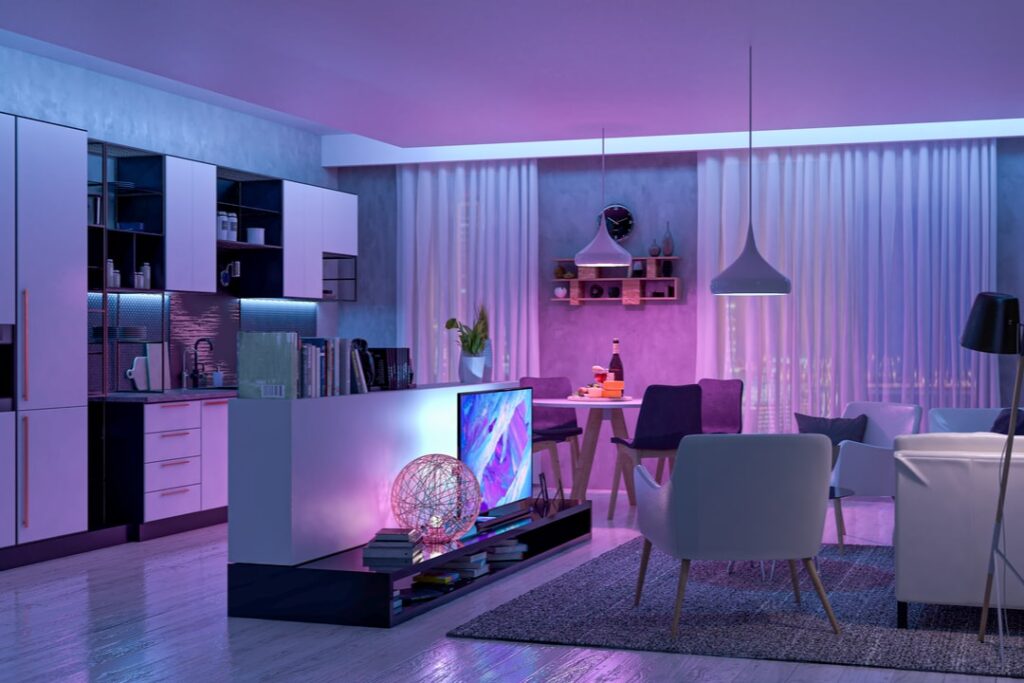
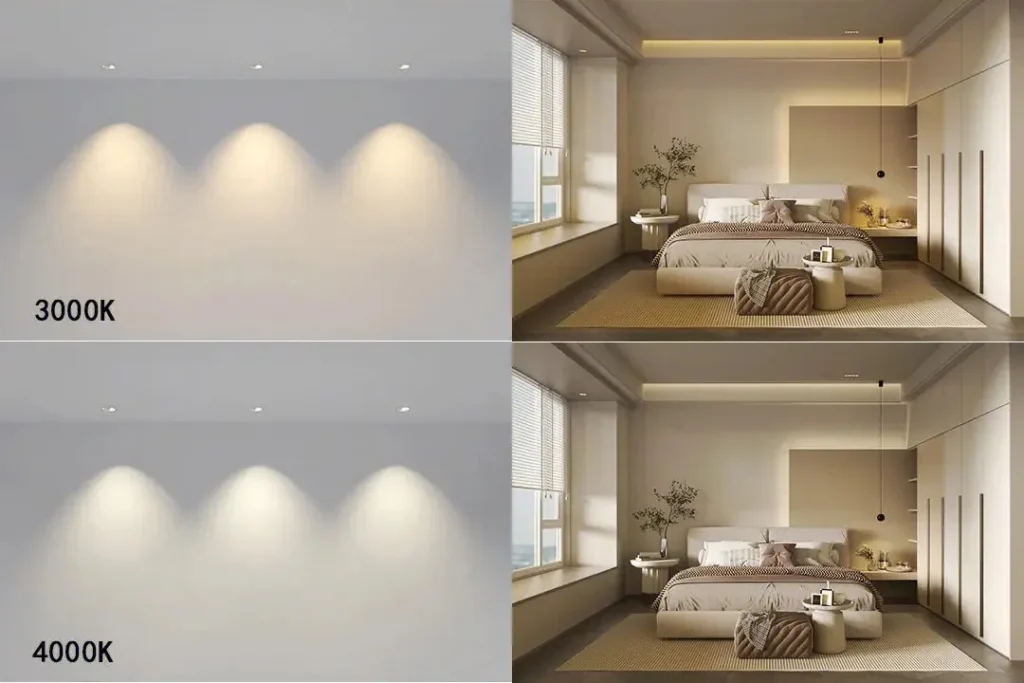
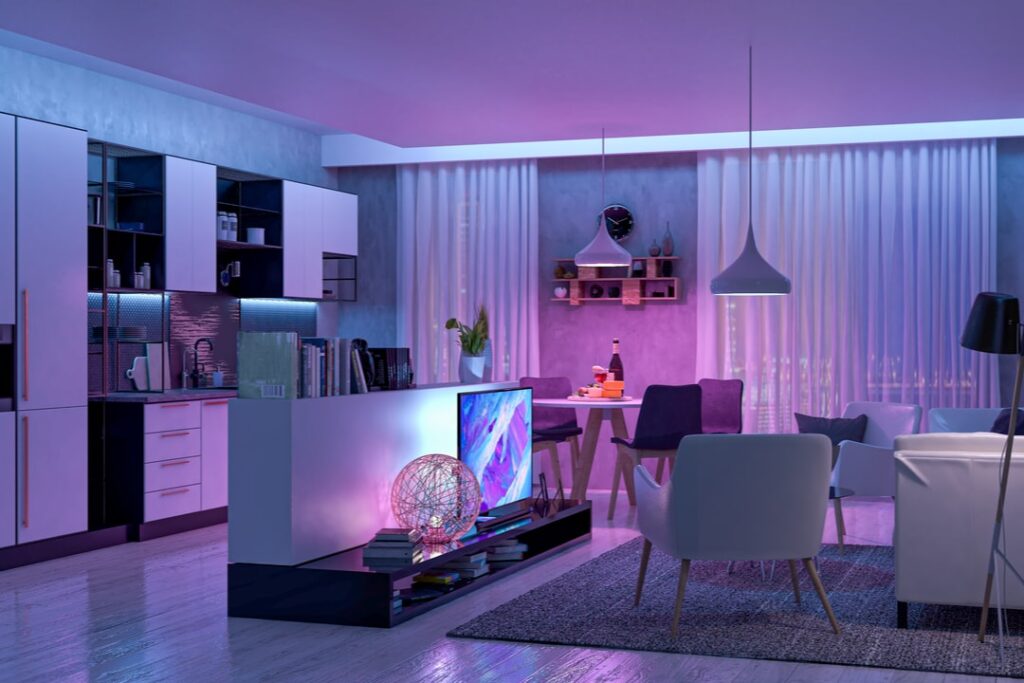
Beyond physical safety, LED lighting also affects psychological comfort, which is equally critical in urban life. People are more likely to use public spaces when they feel safe, and lighting strongly shapes that perception. Cooler, balanced white LEDs improve alertness and clarity, while warmer tones create calm and approachability in residential zones. This ability to tune light across environments allows cities to design lighting that supports both security and emotional well-being. Streets, parks, and plazas become spaces people want to occupy, encouraging social interaction and strengthening community life after sunset.
Lighting the Safer City LED technology has also transformed emergency response and traffic safety. Bright, instantly responsive LEDs improve road visibility for drivers, cyclists, and pedestrians, reducing accidents and reaction times. Crosswalks, intersections, and tunnels benefit from high color rendering, making obstacles and signage easier to identify. In emergencies, LED systems integrated with smart controls can flash, dim, or change color to guide movement and signal danger. This responsiveness supports faster decision-making and safer outcomes, proving that modern lighting is not just infrastructure, but an intelligent safety partner embedded into the urban fabric.
Human vitality is increasingly recognized as a design priority in cities, and LED lighting plays a critical role in supporting biological rhythms and mental health. Exposure to poorly designed lighting can disrupt circadian cycles, contributing to fatigue, stress, and sleep disorders. LEDs, when thoughtfully applied, allow cities to align nighttime lighting with human biology by reducing excessive blue light and using adaptive brightness levels. This human-centric approach ensures that urban illumination supports alertness when needed while still respecting the body’s need for rest, balance, and recovery.
Workplaces, hospitals, transit hubs, and educational institutions benefit directly from this evolution in lighting design. LED systems can shift color temperature throughout the day, helping people stay focused during high-activity periods and relaxed during transitions. In healthcare settings, better lighting improves patient comfort and staff performance. In transportation environments, it reduces confusion and anxiety. The result is an urban ecosystem where lighting supports productivity, emotional stability, and overall vitality, rather than contributing to overstimulation or exhaustion.
Sustainability is another pillar of the LED lighting revolution, tightly linked to long-term urban safety and resilience. LEDs consume significantly less energy than traditional lighting, reducing strain on power grids and lowering carbon emissions. This efficiency allows cities to expand lighting coverage without increasing energy costs, eliminating dark zones that once existed due to budget limitations. Longer lifespans reduce maintenance disruptions and failures, ensuring consistent illumination. Sustainable lighting systems help cities remain functional during extreme weather events and energy challenges, reinforcing safety at both environmental and operational levels.
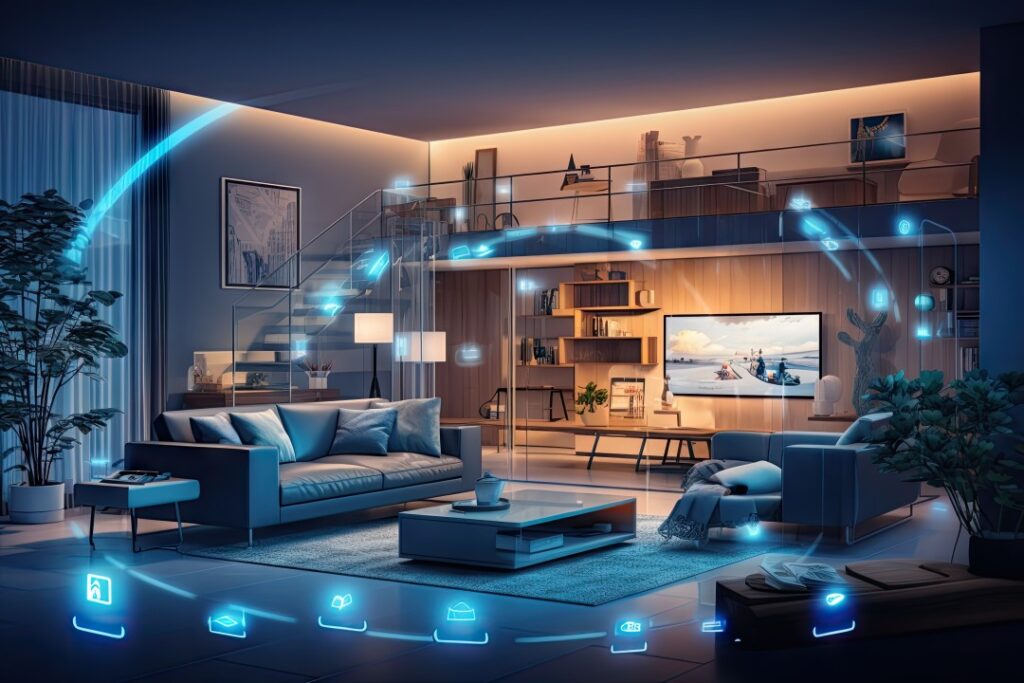
Lighting the Safer City Smart LED lighting systems elevate these benefits even further by introducing adaptability and intelligence. Sensors, data analytics, and connectivity enable lighting to respond to real-time conditions such as pedestrian movement, traffic flow, and ambient light levels. Streets brighten when activity increases and dim when areas are empty, balancing safety with energy conservation. This dynamic approach not only improves efficiency but also reduces light pollution, preserving night skies and minimizing negative ecological impacts. Smart LEDs demonstrate how safety, sustainability, and technological innovation can coexist seamlessly.
The cultural impact of LED lighting on cities is also significant. Illuminated landmarks, pathways, and public art create strong visual identities that foster civic pride and inclusivity. Lighting communicates care and investment, signaling that spaces are meant to be used and enjoyed by everyone. When cities are well-lit with intention, residents feel valued and protected. This emotional connection strengthens trust between communities and urban systems, reinforcing the idea that safety is not enforced through surveillance alone, but through thoughtful, human-focused design.
Ultimately, the LED lighting revolution marks a spectrum of change that extends far beyond efficiency or cost savings. It reshapes how cities function, how people feel, and how urban life unfolds after dark. By blending safety, sustainability, and human vitality, LED lighting transforms the night from a source of risk into a space of opportunity. As cities continue to evolve, LEDs will remain central to building environments that are not only brighter, but healthier, safer, and more deeply aligned with the needs of the people who inhabit them.
Lighting the Safer City Beyond physical safety, LED lighting also affects psychological comfort, which is equally critical in urban life. People are more likely to use public spaces when they feel safe, and lighting strongly shapes that perception. Cooler, balanced white LEDs improve alertness and clarity, while warmer tones create calm and approachability in residential zones. This ability to tune light across environments allows cities to design lighting that supports both security and emotional well-being. Streets, parks, and plazas become spaces people want to occupy, encouraging social interaction and strengthening community life after sunset.
LED technology has also transformed emergency response and traffic safety. Bright, instantly responsive LEDs improve road visibility for drivers, cyclists, and pedestrians, reducing accidents and reaction times. Crosswalks, intersections, and tunnels benefit from high color rendering, making obstacles and signage easier to identify. In emergencies, LED systems integrated with smart controls can flash, dim, or change color to guide movement and signal danger. This responsiveness supports faster decision-making and safer outcomes, proving that modern lighting is not just infrastructure, but an intelligent safety partner embedded into the urban fabric.
Human vitality is increasingly recognized as a design priority in cities, and LED lighting plays a critical role in supporting biological rhythms and mental health. Exposure to poorly designed lighting can disrupt circadian cycles, contributing to fatigue, stress, and sleep disorders. LEDs, when thoughtfully applied, allow cities to align nighttime lighting with human biology by reducing excessive blue light and using adaptive brightness levels. This human-centric approach ensures that urban illumination supports alertness when needed while still respecting the body’s need for rest, balance, and recovery.
Workplaces, hospitals, transit hubs, and educational institutions benefit directly from this evolution in lighting design. LED systems can shift color temperature throughout the day, helping people stay focused during high-activity periods and relaxed during transitions. In healthcare settings, better lighting improves patient comfort and staff performance. In transportation environments, it reduces confusion and anxiety. The result is an urban ecosystem where lighting supports productivity, emotional stability, and overall vitality, rather than contributing to overstimulation or exhaustion.
Lighting the Safer CitySustainability is another pillar of the LED lighting revolution, tightly linked to long-term urban safety and resilience. LEDs consume significantly less energy than traditional lighting, reducing strain on power grids and lowering carbon emissions. This efficiency allows cities to expand lighting coverage without increasing energy costs, eliminating dark zones that once existed due to budget limitations. Longer lifespans reduce maintenance disruptions and failures, ensuring consistent illumination. Sustainable lighting systems help cities remain functional during extreme weather events and energy challenges, reinforcing safety at both environmental and operational levels.
Smart LED lighting systems elevate these benefits even further by introducing adaptability and intelligence. Sensors, data analytics, and connectivity enable lighting to respond to real-time conditions such as pedestrian movement, traffic flow, and ambient light levels. Streets brighten when activity increases and dim when areas are empty, balancing safety with energy conservation. This dynamic approach not only improves efficiency but also reduces light pollution, preserving night skies and minimizing negative ecological impacts. Smart LEDs demonstrate how safety, sustainability, and technological innovation can coexist seamlessly.
The cultural impact of LED lighting on cities is also significant. Illuminated landmarks, pathways, and public art create strong visual identities that foster civic pride and inclusivity. Lighting communicates care and investment, signaling that spaces are meant to be used and enjoyed by everyone. When cities are well-lit with intention, residents feel valued and protected. This emotional connection strengthens trust between communities and urban systems, reinforcing the idea that safety is not enforced through surveillance alone, but through thoughtful, human-focused design.
Ultimately, the LED lighting revolution marks a spectrum of change that extends far beyond efficiency or cost savings. It reshapes how cities function, how people feel, and how urban life unfolds after dark. By blending safety, sustainability, and human vitality, LED lighting transforms the night from a source of risk into a space of opportunity. As cities continue to evolve, LEDs will remain central to building environments that are not only brighter, but healthier, safer, and more deeply aligned with the needs of the people who inhabit them.