LED Lighting Matters Today In a world facing rising energy costs, environmental challenges, and rapidly changing lifestyles, lighting has become far more than a background utility. The way we illuminate our homes, workplaces, streets, and cities directly impacts how much energy we consume, how safe we feel, and how efficiently we live. LED lighting matters now more than ever because it responds to these modern pressures with intelligence, adaptability, and sustainability. As global demand for energy grows, inefficient lighting is no longer acceptable, and LED technology has emerged as a practical solution that aligns performance with responsibility.
Energy consumption is one of the most urgent issues shaping today’s infrastructure decisions, and lighting plays a surprisingly large role in total electricity use. Traditional lighting technologies waste a significant amount of energy as heat, contributing to higher power bills and unnecessary strain on electrical systems. LED lighting dramatically changes this equation by converting most of the energy it consumes into usable light. This efficiency allows households and businesses to reduce electricity usage without sacrificing brightness or comfort, making LEDs essential in an era where energy efficiency is no longer optional but necessary.
LED Lighting Matters Today
LED Lighting Matters Today The economic importance of LED lighting has grown as energy prices continue to fluctuate and rise. Monthly utility bills have become a major concern for families, businesses, and governments alike. LEDs offer immediate and long-term financial relief by reducing power consumption and minimizing maintenance costs. Their long lifespan means fewer replacements, less labor, and fewer disruptions. In a time when cost control and operational efficiency are critical, LED lighting provides a reliable way to lower expenses while maintaining high-quality illumination across all environments.
Environmental responsibility has also become a defining priority of the modern age, and LED lighting plays a crucial role in reducing environmental impact. Lower energy consumption directly translates into reduced carbon emissions and decreased reliance on fossil fuels. Unlike fluorescent lighting, LEDs contain no mercury or toxic materials, making them safer to manufacture, use, and dispose of. As governments and organizations commit to sustainability goals and net-zero targets, LED lighting stands out as one of the simplest and most effective changes that can be implemented at scale.
The Urgency of Efficiency: Why LED Lighting Matters Today.
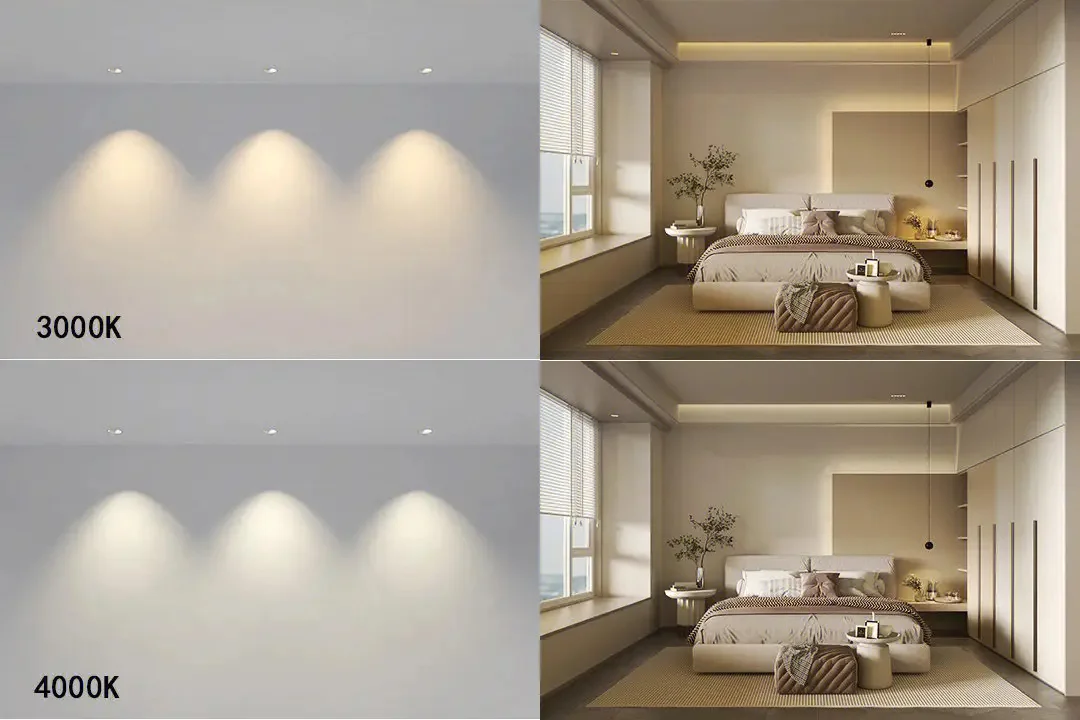
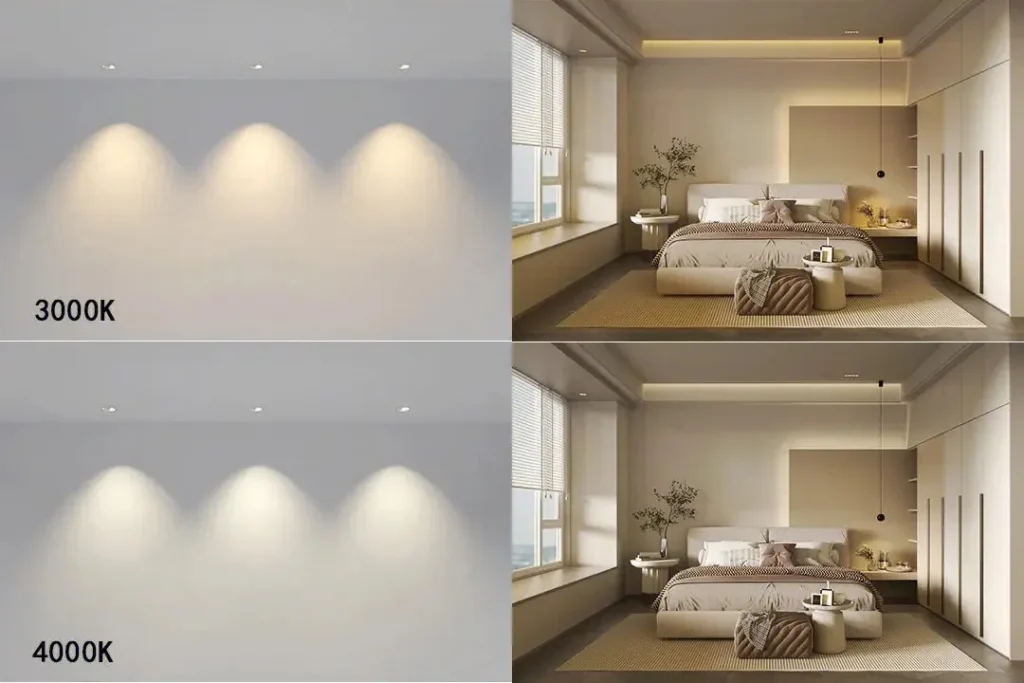
Beyond efficiency and sustainability, LED lighting matters because it supports human health and well-being in ways traditional lighting never could. Poor lighting contributes to eye strain, headaches, fatigue, and disrupted sleep patterns. Modern LED systems can be designed to support natural circadian rhythms by adjusting brightness and color temperature throughout the day. This human-centric approach improves focus during work hours and promotes relaxation during evenings, making LED lighting especially important in homes, offices, schools, and healthcare environments.
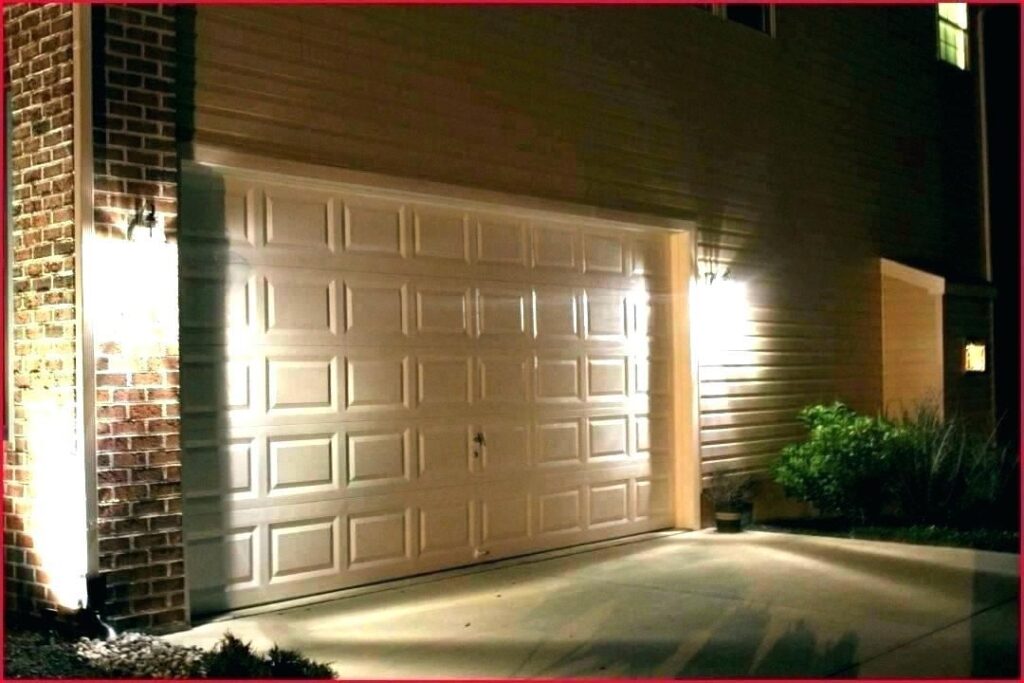
LED Lighting Matters Today Urban safety and quality of life are also deeply connected to lighting, and LEDs have transformed how cities approach public illumination. Well-lit streets, walkways, and public spaces reduce crime, improve visibility, and encourage social activity after dark. LEDs provide uniform, glare-free lighting that enhances facial recognition and spatial awareness. Their reliability ensures consistent illumination, eliminating dark zones caused by frequent bulb failures. As cities grow denser and more active at night, LED lighting has become a cornerstone of safe, inclusive urban environments.
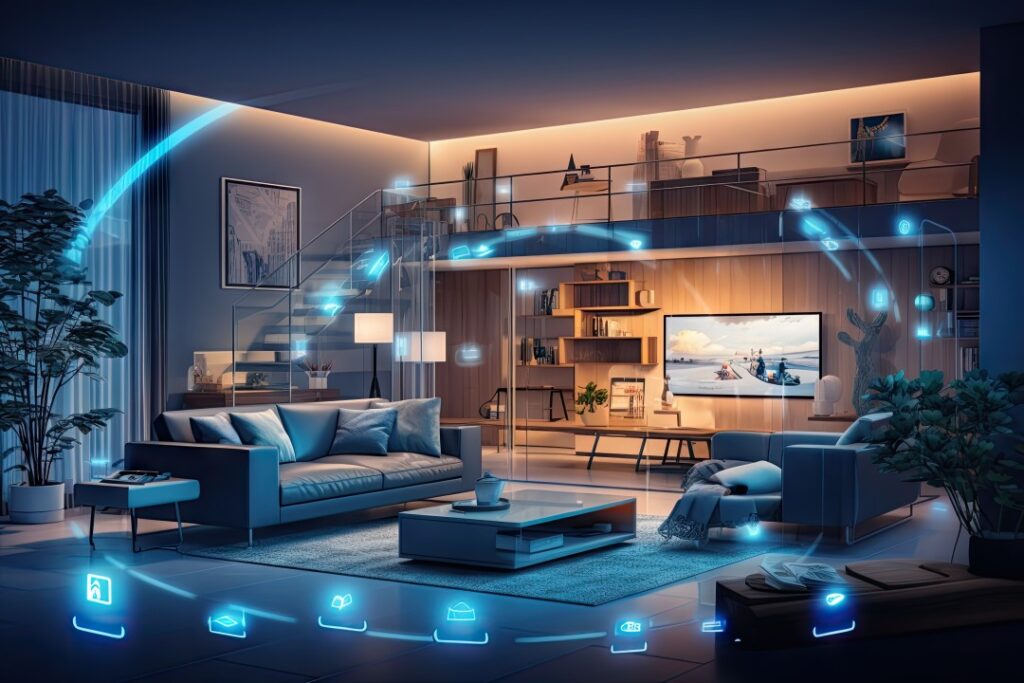
Technological advancement has made LED lighting more relevant than ever through integration with smart systems. Smart LEDs can respond to motion, daylight levels, and occupancy, ensuring light is used only when and where needed. This level of control not only saves energy but also extends fixture lifespan and improves user experience. In commercial buildings and smart cities, lighting has become a data-driven system rather than a static utility, demonstrating how LED technology fits seamlessly into the broader digital transformation of modern infrastructure.
The Urgency of Efficiency
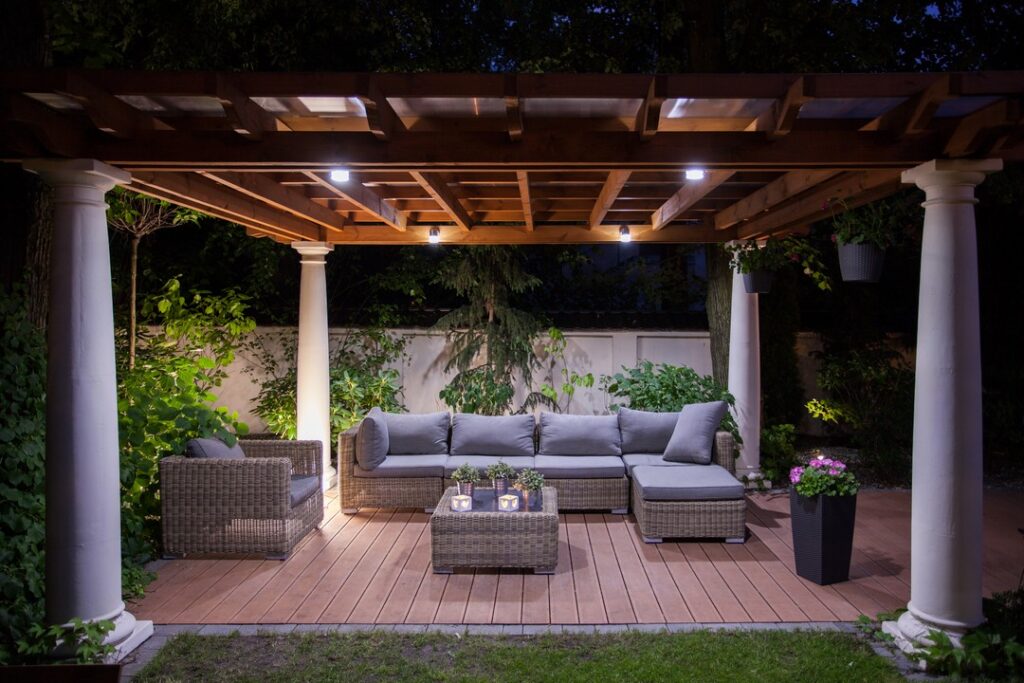
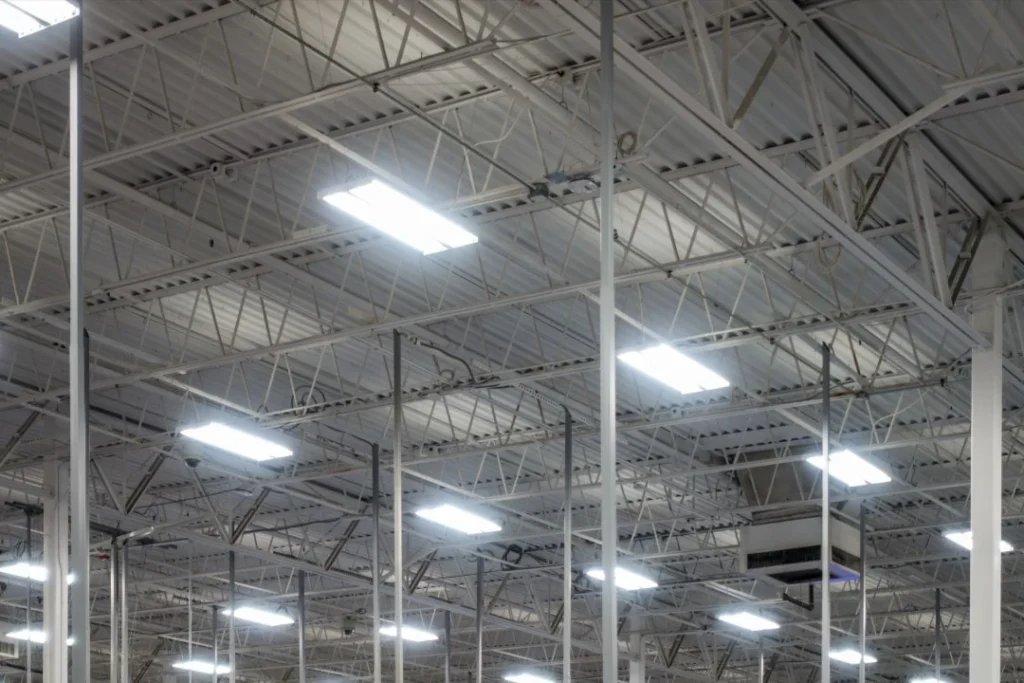
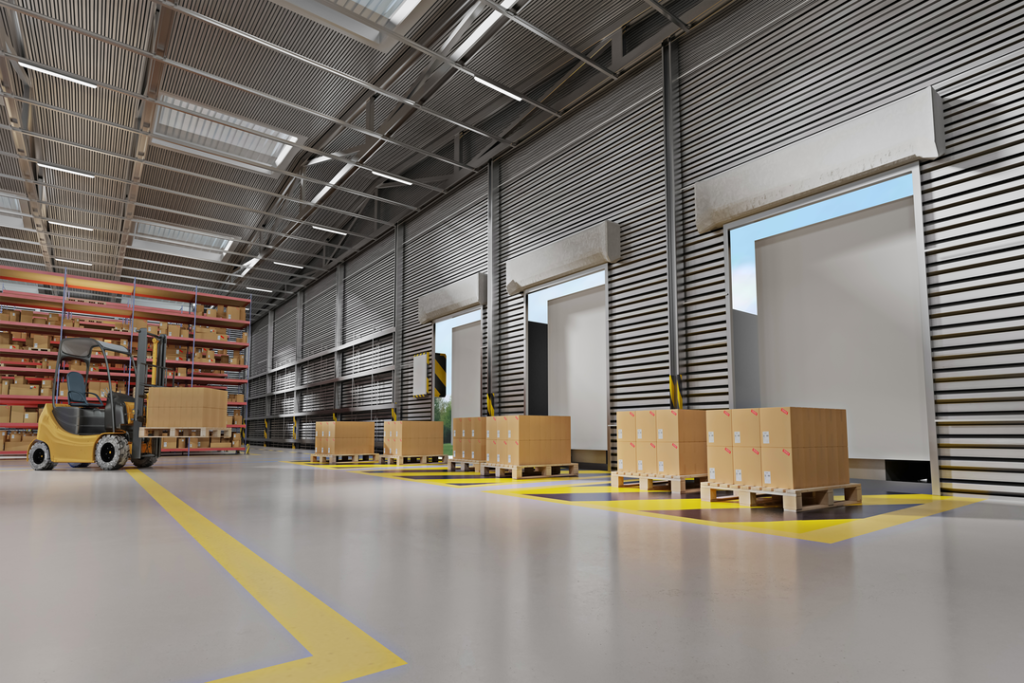
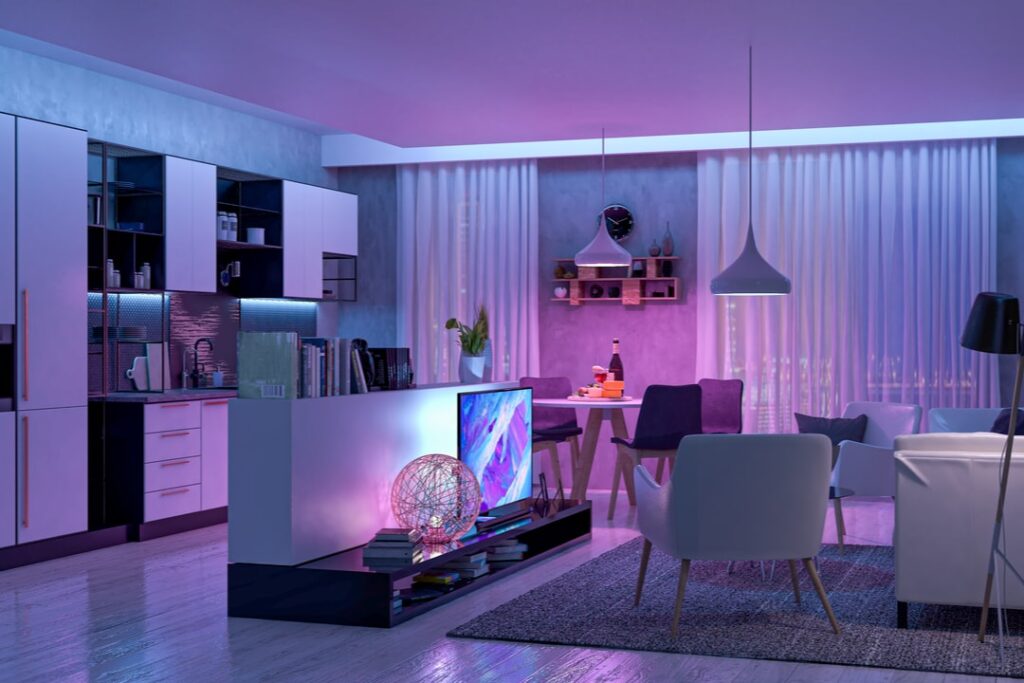
The versatility of LED lighting is another reason it holds such importance today. From residential interiors and decorative accents to industrial facilities and architectural landmarks, LEDs adapt to nearly every application. Their compact size and directional output allow designers to create innovative lighting layouts that were impossible with older technologies. This flexibility supports both functional and aesthetic goals, proving that efficiency does not require sacrificing design or creativity in modern spaces.
LED Lighting Matters Today Global adoption of LED lighting has also accelerated due to declining costs and increased accessibility. What was once considered a premium option is now widely available and affordable. Incentives, rebates, and energy-efficiency programs have further lowered barriers to entry. As more people experience the benefits of LED lighting firsthand, expectations around lighting quality, efficiency, and control continue to rise, reinforcing LEDs as the new standard rather than an alternative.
Ultimately, LED lighting matters now more than ever because it addresses the defining challenges of our time in a single, powerful solution. It reduces energy consumption, lowers costs, supports sustainability, enhances safety, improves human well-being, and integrates seamlessly with smart technologies. Lighting is no longer just about visibility; it is about resilience, responsibility, and quality of life. In an era shaped by efficiency and awareness, LED lighting is not merely a better option—it is an essential one.
#LEDLighting #EnergyEfficiency #SustainableLiving #SmartLighting #FutureOfLighting #EnergySavings #GreenTechnology #HumanCentricLighting #UrbanInfrastructure #EfficientEnergy
Read More