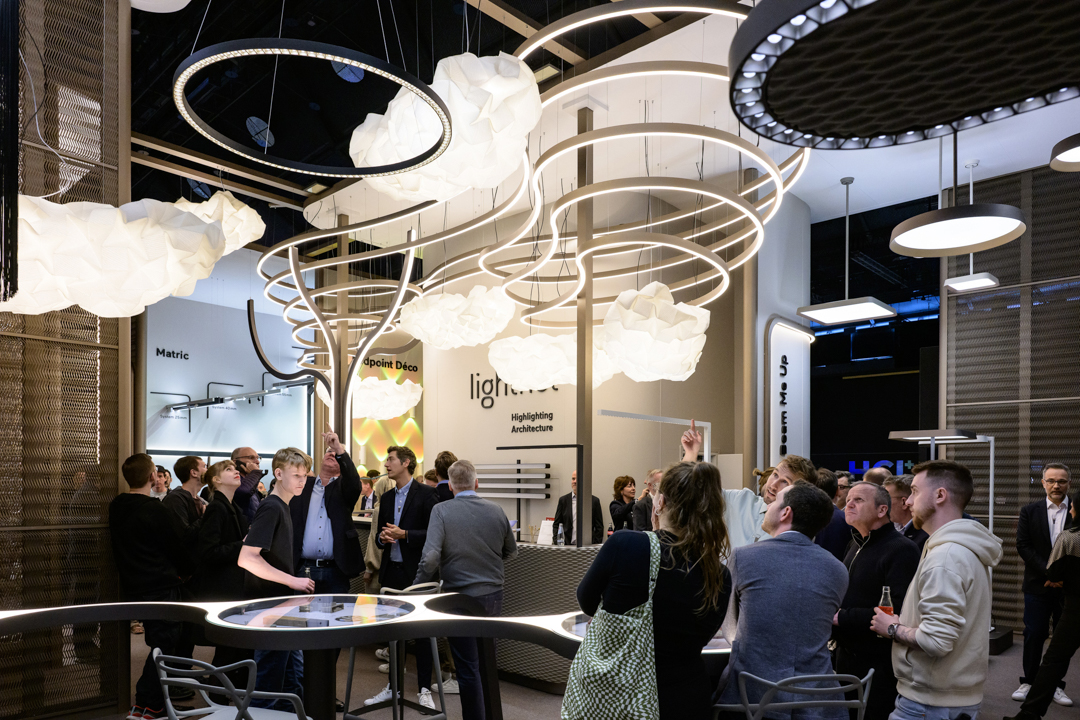
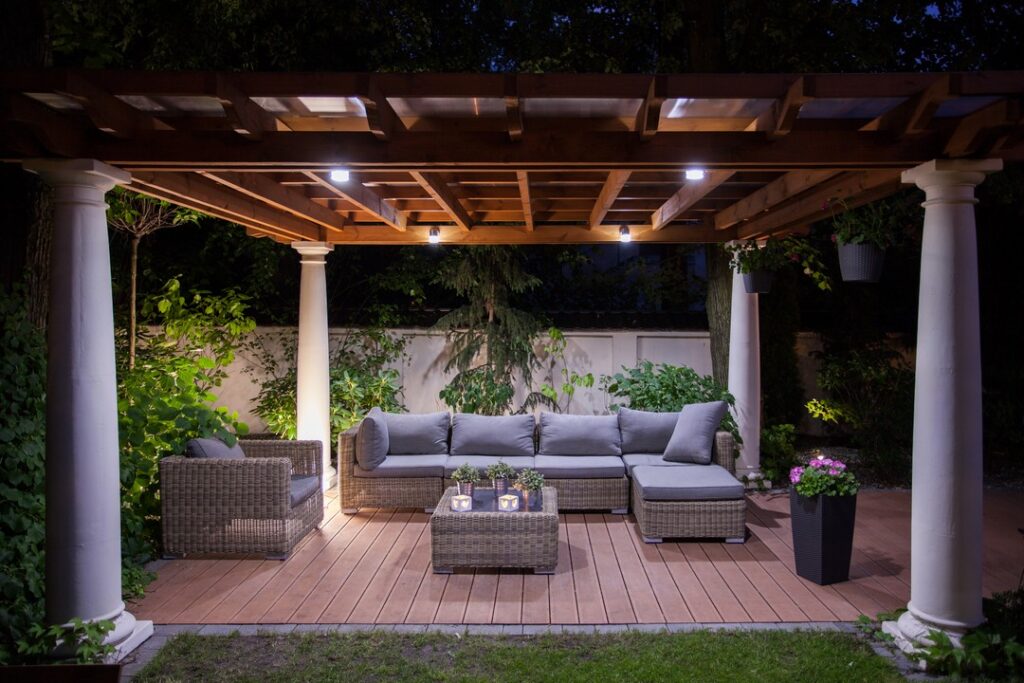
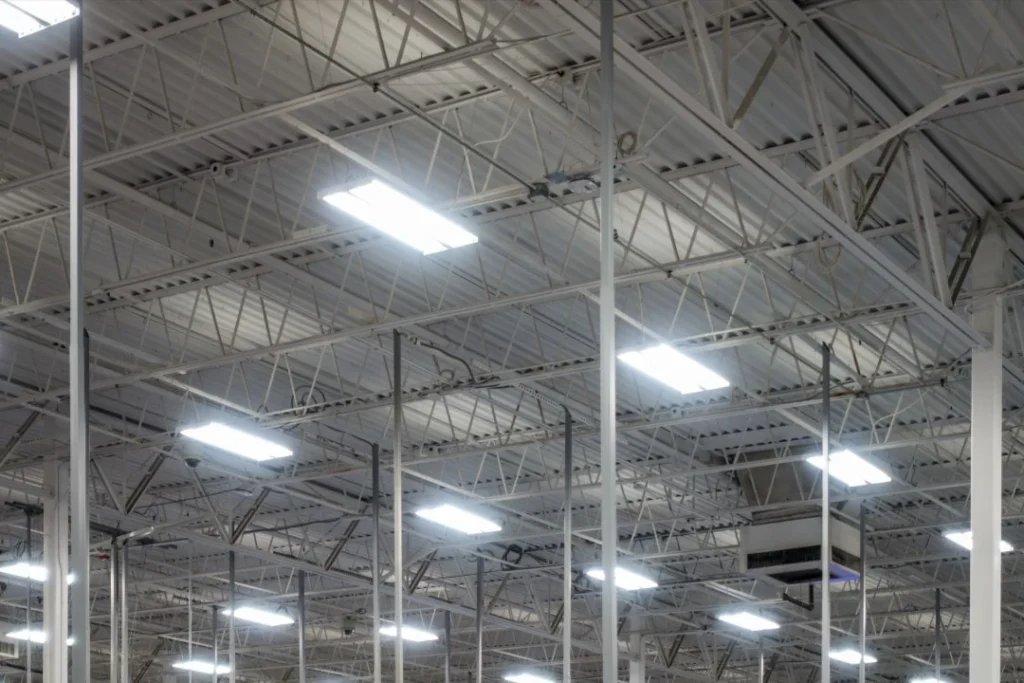
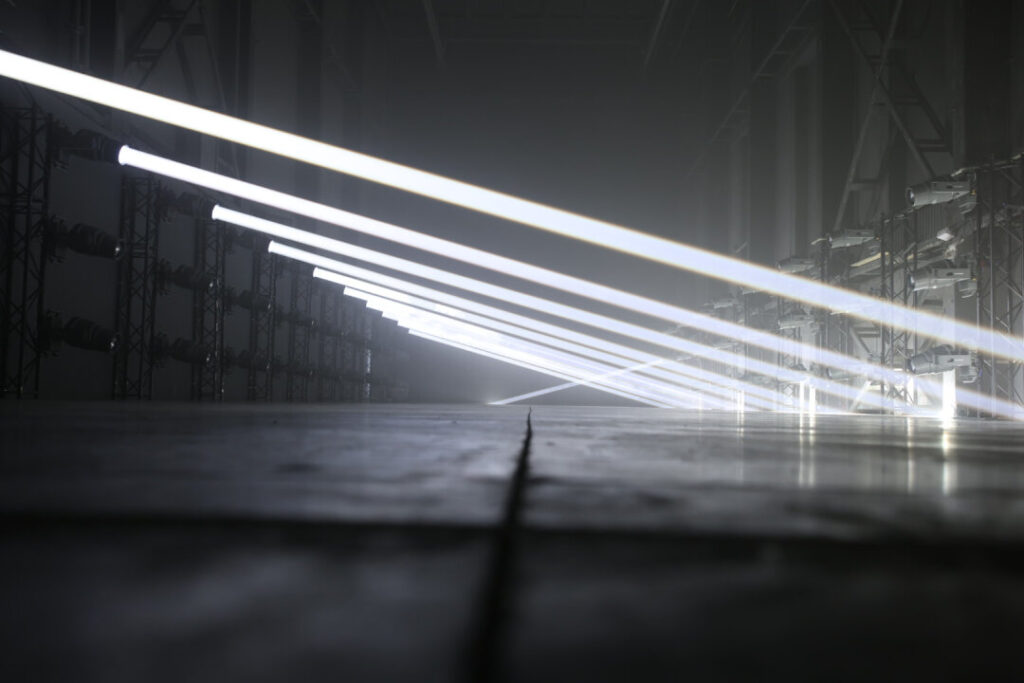
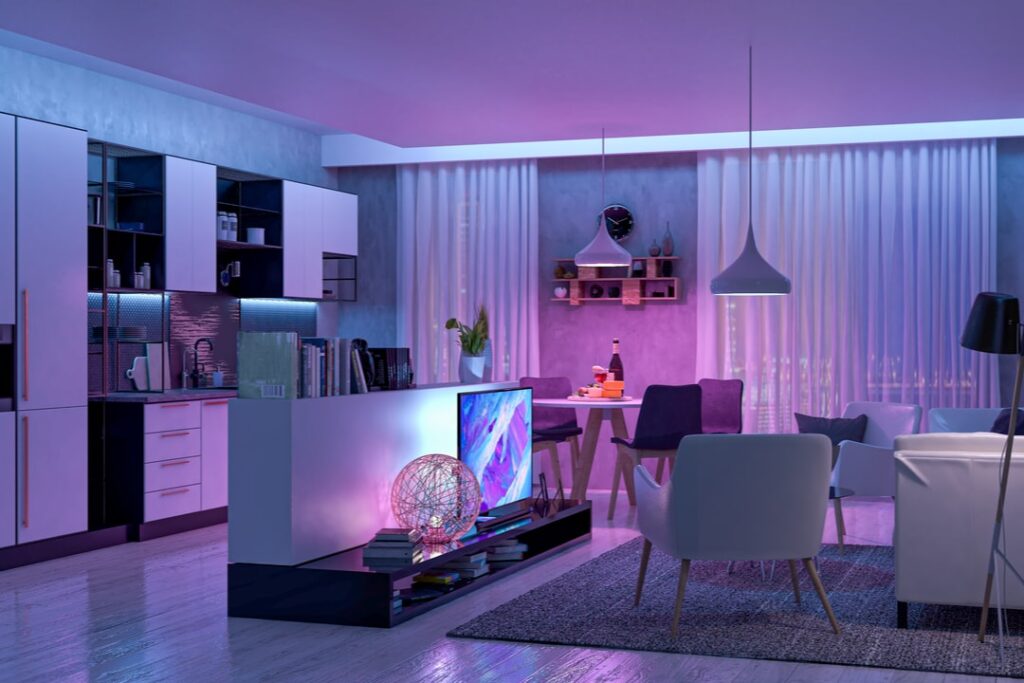
LED lighting matters now more than ever because the way we produce, consume, and think about energy has fundamentally changed. Rising electricity costs, growing urban populations, and increasing environmental concerns have made efficient lighting a global priority rather than a luxury. Lighting is one of the most widely used forms of energy in homes, businesses, cities, and industries, and inefficient systems silently waste massive amounts of power every day. LED technology offers a practical, scalable solution that addresses modern challenges while delivering better performance, longer life, and smarter energy use.
Urgent Shift to LED Lighting As global energy demand continues to rise, traditional lighting technologies struggle to keep up without causing financial and environmental strain. Incandescent and fluorescent lights consume excessive electricity and convert much of it into wasted heat rather than usable illumination. LED lighting changes this equation by producing brighter, more focused light while using significantly less power. This efficiency allows households and businesses to reduce energy consumption without sacrificing comfort or visibility. In a time when energy conservation directly impacts economic stability and climate responsibility, LED lighting has become essential.
Urgent Shift to LED Lighting
The importance of LED lighting today is also driven by sustainability goals that are shaping policies, businesses, and consumer behavior worldwide. Governments and organizations are under pressure to lower carbon emissions and reduce reliance on fossil fuels. Because lighting accounts for a substantial portion of global electricity usage, switching to LEDs delivers immediate environmental benefits. LEDs consume less energy, last longer, and generate less waste, making them one of the simplest ways to reduce environmental impact while maintaining modern living standards.
Economic uncertainty has further amplified the relevance of LED lighting. With inflation and rising utility costs affecting households and businesses alike, reducing recurring expenses is critical. LEDs provide long-term savings by lowering electricity bills and minimizing maintenance costs. Their extended lifespan means fewer replacements, less labor, and reduced downtime. For businesses operating large facilities or long hours, these savings accumulate quickly. In challenging economic conditions, LED lighting becomes a smart financial decision rather than a discretionary upgrade.
The Urgent Shift to LED Lighting: Efficiency, Sustainability, and Smart Living.
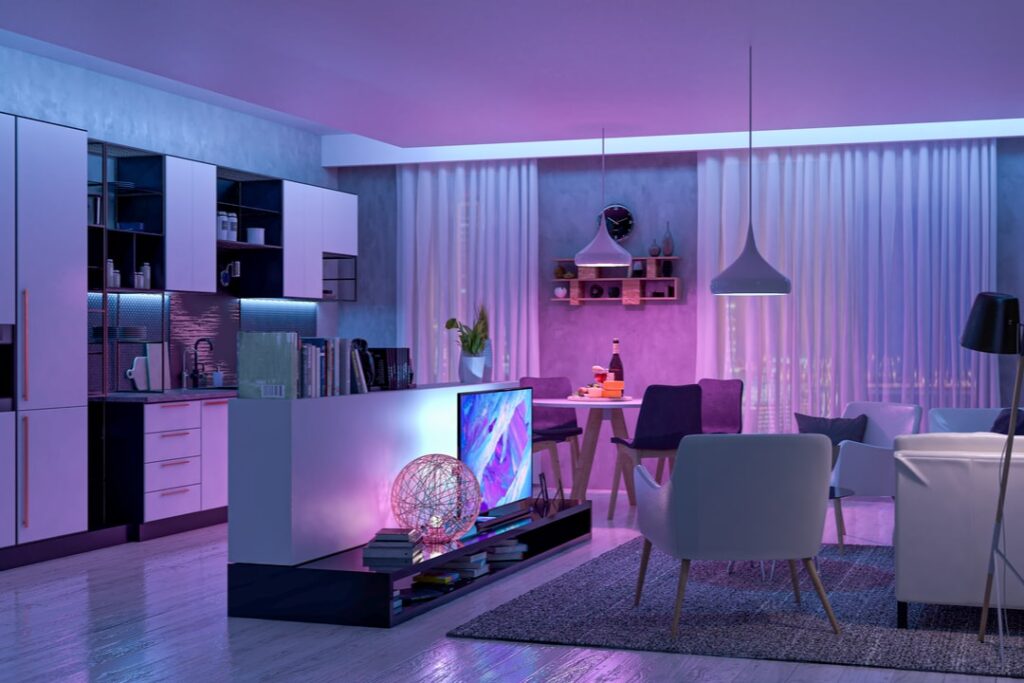
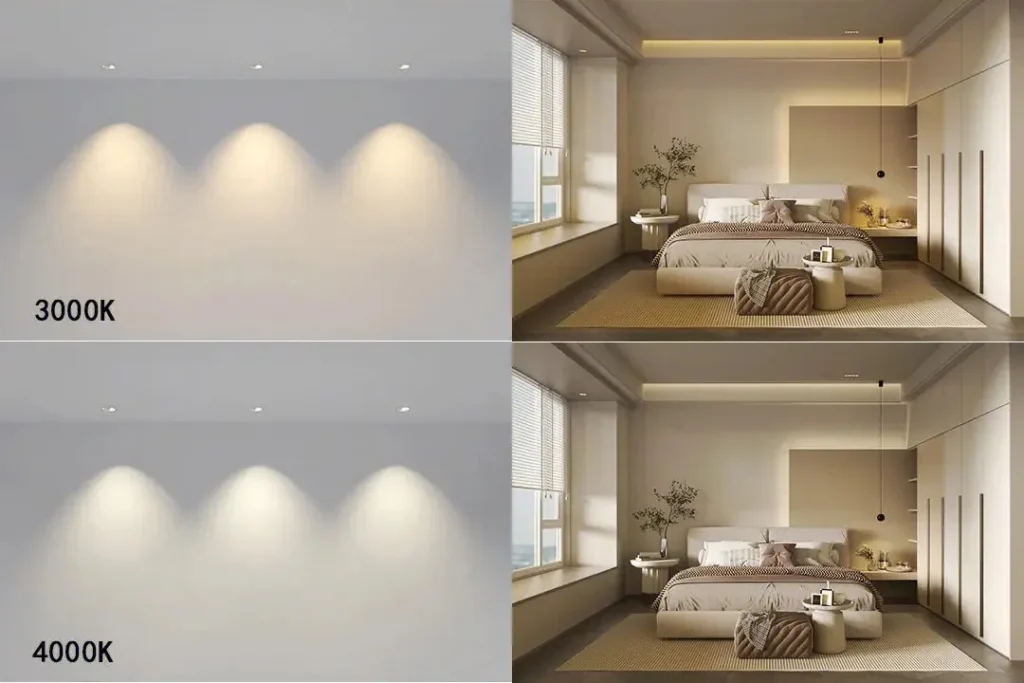
Modern lifestyles demand lighting that adapts to how people live and work today. Homes now function as offices, learning spaces, and social environments, while workplaces prioritize flexibility and efficiency. LED lighting supports these needs through dimming options, adjustable color temperatures, and smart controls. Users can tailor lighting to match activities, moods, and times of day. This adaptability enhances comfort and productivity while reducing unnecessary energy use, proving why LED lighting aligns perfectly with contemporary living patterns.
Health and well-being have also become central concerns, making LED lighting more relevant than ever. Poor lighting can contribute to eye strain, fatigue, disrupted sleep cycles, and reduced concentration. Advanced LED systems support human-centric lighting by mimicking natural daylight patterns and offering warmer tones in the evening. This helps regulate circadian rhythms and improve overall comfort. As awareness grows about the connection between lighting and wellness, LED technology emerges as a powerful tool for healthier indoor environments.
Urgent Shift to LED Lighting Urbanisation has placed new demands on infrastructure, and LED lighting plays a crucial role in shaping safer, smarter cities. Streetlights, public spaces, and transportation systems require reliable, efficient illumination that operates continuously. LED street lighting improves visibility, reduces crime, and lowers municipal energy costs. Smart LED systems integrated with sensors further enhance efficiency by adjusting brightness based on traffic or time. In rapidly expanding cities, LEDs provide sustainable solutions for large-scale lighting needs.
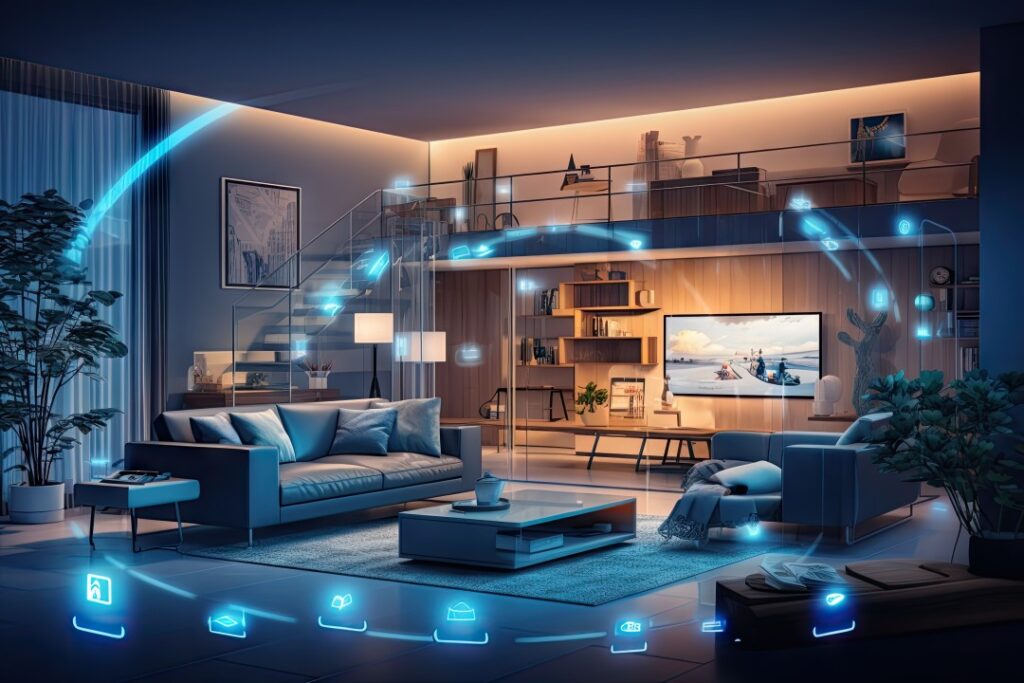
Technology integration is another reason LED lighting matters more today than in the past. LEDs are naturally compatible with smart systems, automation, and Internet of Things platforms. Businesses and homeowners can monitor energy use, schedule lighting, and control systems remotely. This level of control was impossible with older lighting technologies. Smart LED lighting transforms illumination into an intelligent system that responds to real-world conditions, supporting efficiency, convenience, and data-driven energy management.
Urgent Shift to LED Lighting The global shift toward renewable energy also increases the importance of LED lighting. Solar and battery-based systems work best with low-power lighting solutions, making LEDs the ideal partner for off-grid and hybrid energy setups. From rural electrification projects to modern solar homes, LEDs maximize limited energy resources. As clean energy adoption accelerates worldwide, LED lighting ensures that available power is used efficiently, reinforcing its role in the future of sustainable energy systems.
Ultimately, LED lighting matters now more than ever because it aligns perfectly with the realities of the modern world. It addresses energy efficiency, economic pressure, environmental responsibility, health awareness, technological advancement, and urban development all at once. LEDs are not just replacing old bulbs; they are redefining how we illuminate our lives. As societies move toward smarter, greener, and more resilient systems, LED lighting stands at the center of this transformation, lighting the path forward.
#LEDLighting #EnergyEfficiency #SustainableLiving #SmartLighting #GreenTechnology #ModernInfrastructure #EcoFriendlySolutions #FutureOfLighting #EnergySaving