Every month the same story repeats itself: the lights come on, operations begin, and somewhere in the background the electricity meter spins faster than anyone notices, quietly turning brightness into rising costs. For many businesses, lighting is one of those hidden expenses that feels unavoidable, like rent or taxes, yet it drains profits day after day. Now imagine flipping that narrative completely, transforming lighting from a financial burden into a strategic advantage. That shift is exactly what LED technology offers, moving companies from high bills to high efficiency with a solution that is practical, proven, and surprisingly powerful for modern operations.
From High Bills to High Efficiency For years, traditional lighting systems such as incandescent and fluorescent bulbs dominated commercial spaces simply because they were familiar. However, familiarity often hides inefficiency. These older technologies consume excessive electricity, generate unnecessary heat, and require frequent replacements that add to maintenance costs. Businesses end up paying not only for the energy they use but also for the waste they cannot see. LED lighting challenges this outdated model by delivering the same, or even better, brightness while consuming significantly less power. The result is immediate savings that begin the moment the switch is turned on, making efficiency both visible and measurable.
From High Bills to High Efficiency
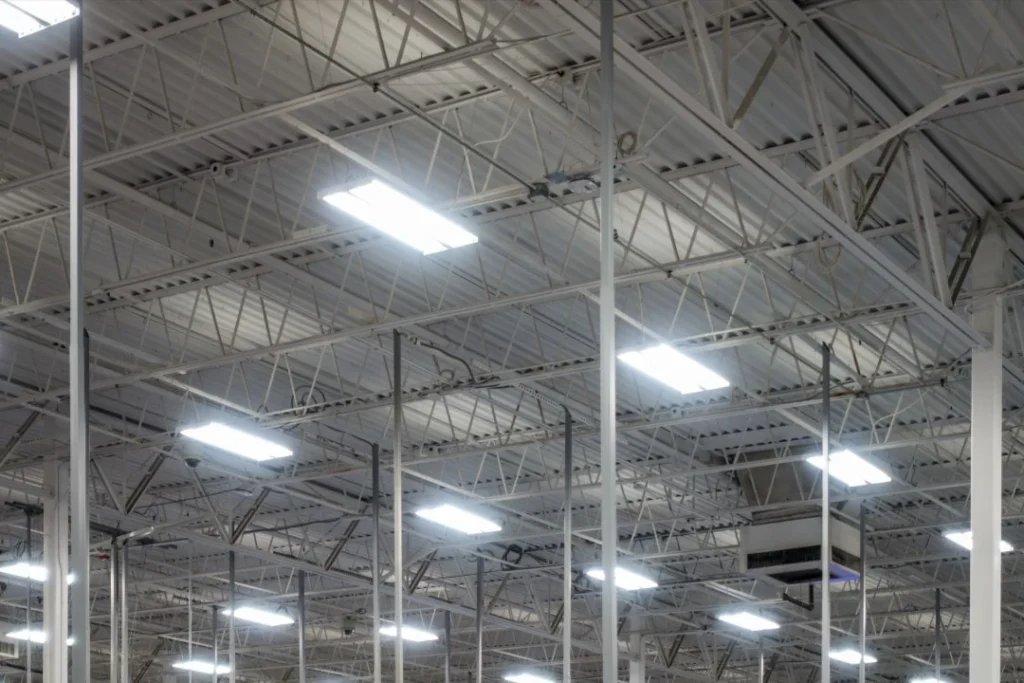
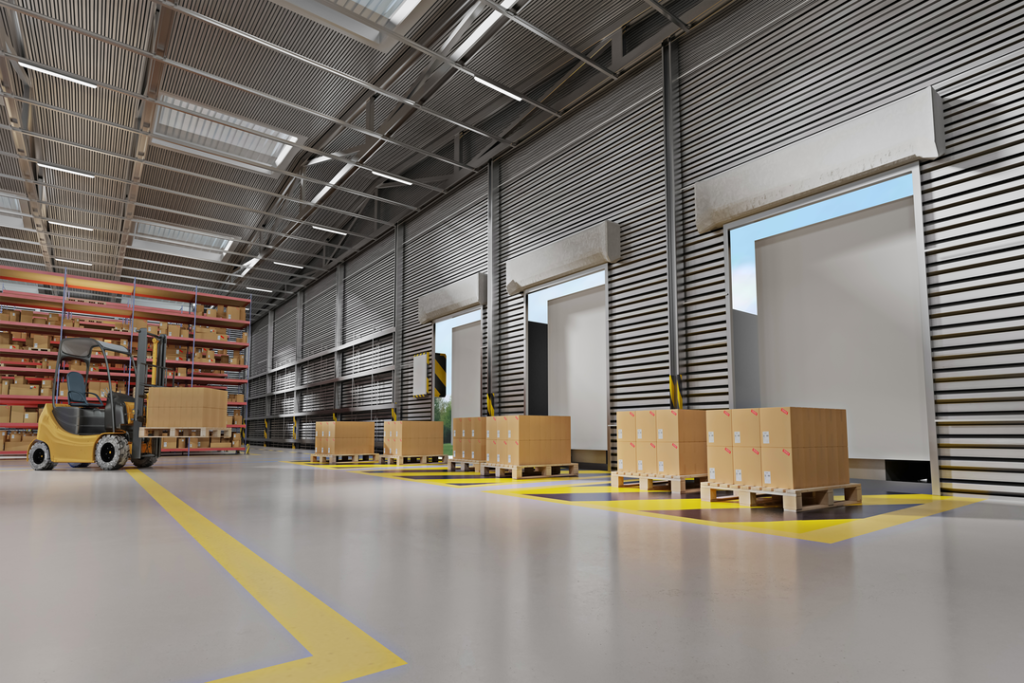
Energy efficiency is where the transformation truly begins. LED lights use advanced semiconductor technology to convert most of their energy directly into light rather than heat, which means far less electricity is wasted. Compared to conventional bulbs, LEDs can reduce energy consumption by up to sixty or seventy percent in many commercial settings. For offices, warehouses, retail stores, and factories operating long hours, this reduction translates into substantial financial relief. Lower energy demand also reduces strain on electrical systems, cutting peak loads and improving overall reliability, which makes daily operations smoother and more predictable for managers and teams alike.
Beyond LED Technology specialists often emphasize that savings multiply quickly when LEDs are implemented at scale. Replacing a single bulb may seem minor, but replacing hundreds or thousands across an entire facility creates dramatic change. Electricity bills shrink month after month, freeing budgets that can be reinvested into growth, staffing, or innovation. For multi-location businesses, the cumulative effect can reach tens of thousands of dollars annually. This is not theoretical math but real-world performance observed across industries. When decision-makers see those numbers, LED lighting stops being an expense and starts looking like one of the smartest investments available.
From High Bills to High Efficiency Longevity adds another powerful layer to the business case. Traditional bulbs burn out regularly, forcing maintenance teams to constantly monitor, replace, and dispose of failed units. Each replacement requires labor, equipment, and sometimes downtime that interrupts workflow. LEDs, by contrast, are engineered to last up to twenty-five times longer, often operating for years before needing attention. This extended lifespan drastically reduces replacement frequency, saving both time and money. Fewer disruptions mean smoother operations, improved safety, and more consistent lighting performance, especially in high ceilings or hard-to-reach areas where maintenance is both costly and inconvenient.
From High Bills to High Efficiency: Why LED Lighting Is the Upgrade Every Business Needs
Sustainability has also become a priority for modern businesses, and LED lighting aligns perfectly with environmental responsibility. Because LEDs consume less energy, they indirectly reduce greenhouse gas emissions from power plants, helping companies lower their carbon footprints. Unlike fluorescent lamps, they contain no mercury or hazardous substances, making disposal safer and simpler. Their longer life reduces waste, keeping fewer materials out of landfills. For organizations pursuing green certifications, ESG goals, or corporate responsibility commitments, switching to LED lighting is a clear, actionable step that demonstrates genuine care for both the planet and From High Bills to High Efficiency the community.
From High Bills to High Efficiency Lighting quality, often overlooked, has a direct impact on productivity and customer experience. Poor lighting causes eye strain, fatigue, and discomfort, which can affect employee performance over time. LEDs provide consistent, flicker-free illumination with high color rendering, allowing people to see clearly and work comfortably. In retail environments, products appear more vibrant and appealing, encouraging purchases. In offices, staff remain focused for longer periods. In industrial settings, better visibility enhances safety and accuracy. These improvements might seem subtle, but across an entire workforce or customer base, they create meaningful gains that directly influence business outcomes.
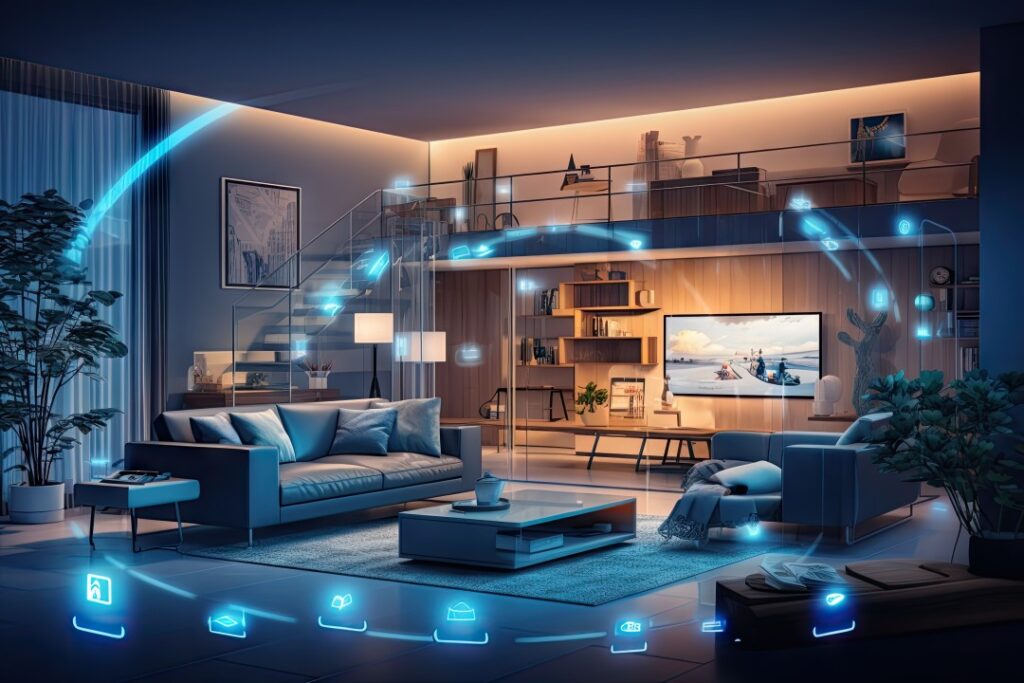
Modern LED systems also open the door to smart technology integration, turning simple lighting into an intelligent energy management tool. Sensors can detect occupancy and automatically dim or switch off lights in empty areas, eliminating unnecessary consumption. Daylight harvesting adjusts brightness according to natural light levels, maintaining comfort while saving power. Centralized controls allow facility managers to monitor usage, schedule operations, and analyze performance data in real time. This level of automation ensures energy is used only when needed, giving businesses tighter control over costs and supporting smarter, more efficient building operations.
LED Lighting Is the Upgrade Every Business Needs
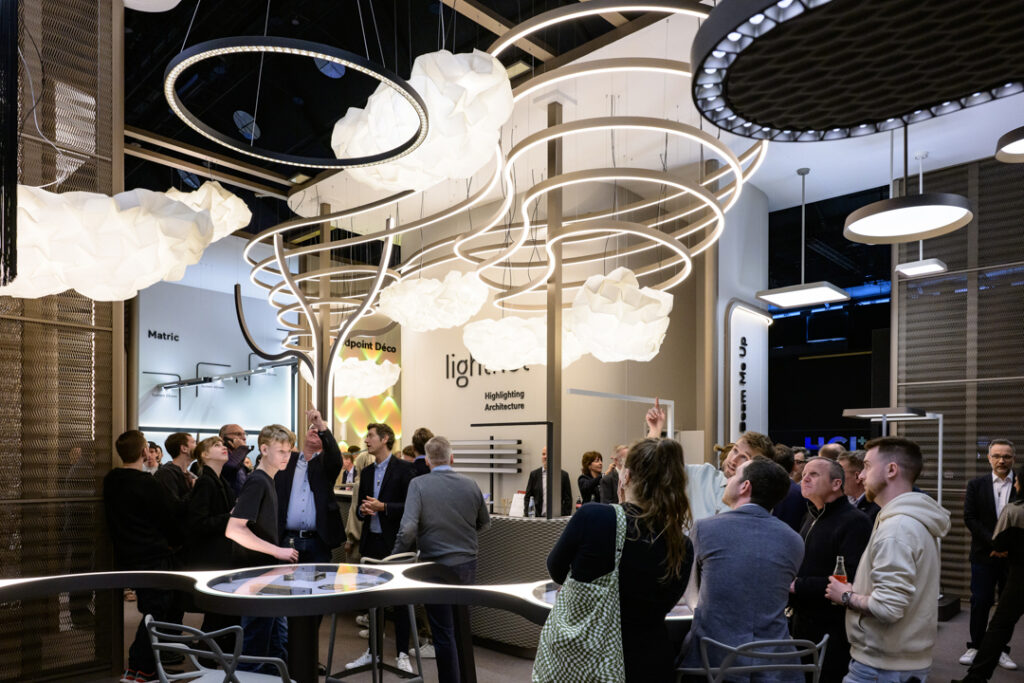
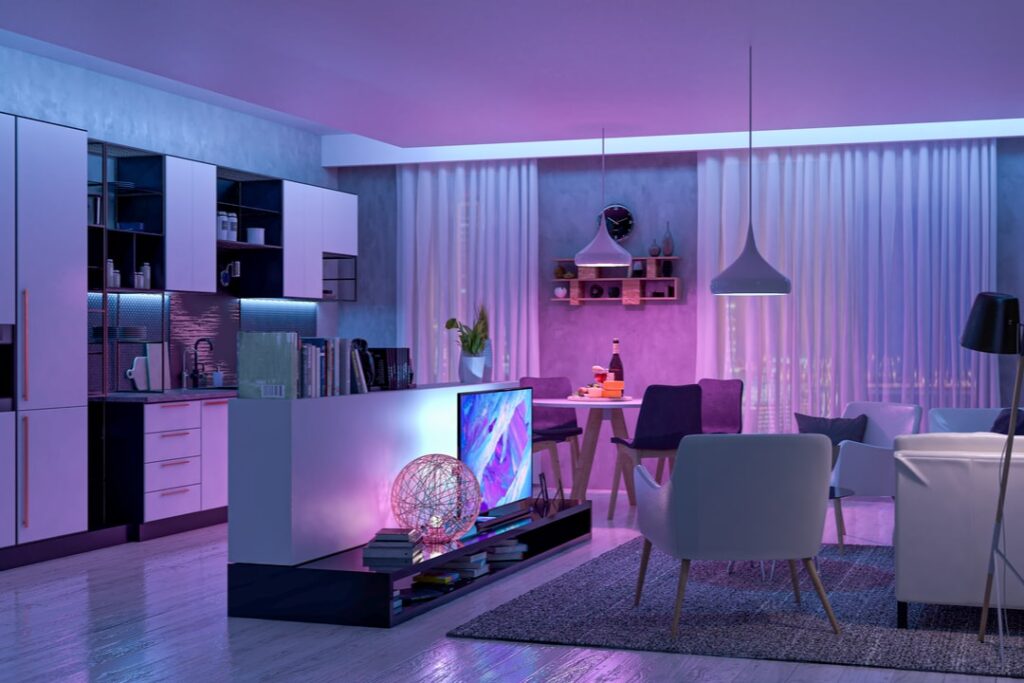
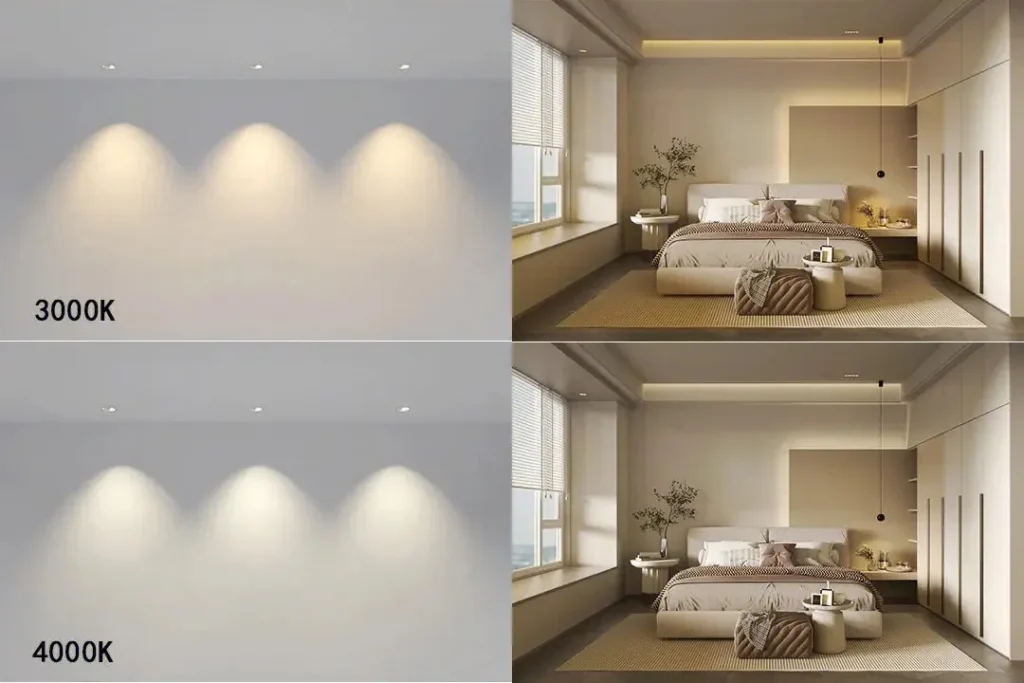
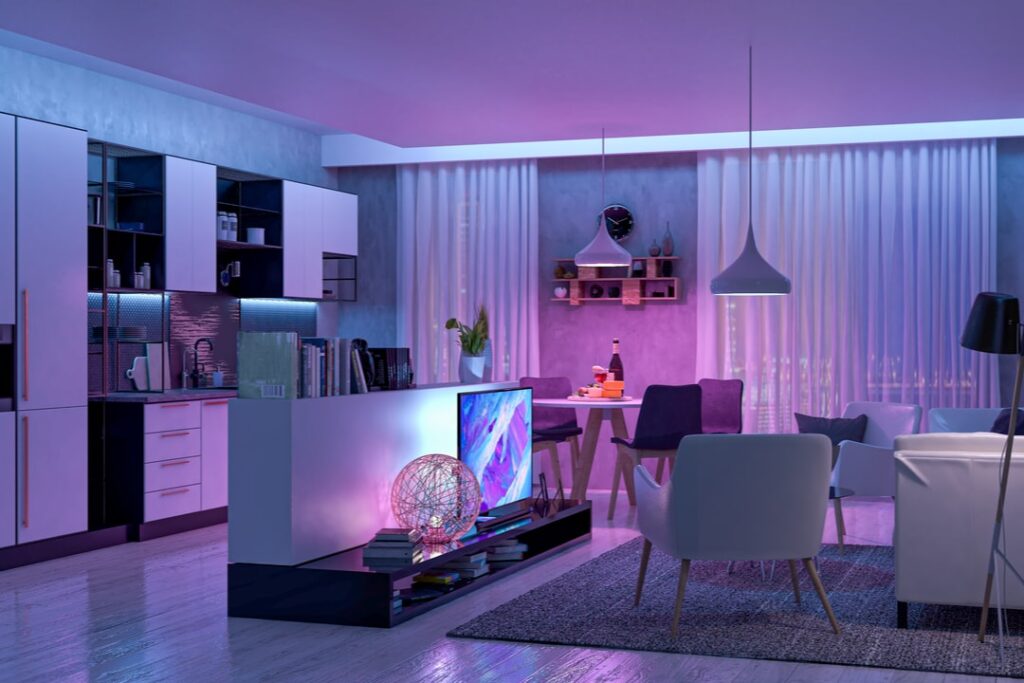
From a design standpoint, LEDs offer flexibility that older technologies simply cannot match. Their compact size allows sleek fixtures and creative layouts that enhance the look of commercial spaces. Businesses can choose from different color temperatures to create the right atmosphere, whether warm and welcoming or bright and task-focused. Instant start-up, dimming capabilities, and customizable scenes make environments adaptable throughout the day. This combination of function and aesthetics ensures that efficiency does not come at the expense of appearance, allowing companies to maintain a professional, modern image while benefiting from lower operational costs.
From High Bills to High Efficiency Ultimately, the journey from high bills to high efficiency is not complicated; it begins with a single decision to upgrade. Businesses that embrace LED lighting quickly discover that the benefits extend far beyond simple energy savings. They gain reliability, sustainability, improved working conditions, smarter controls, and long-term financial advantages that compound year after year. What once seemed like a routine utility expense becomes a strategic asset that supports growth and responsibility at the same time. In a competitive world where every cost matters, LED lighting stands out as the upgrade every business truly needs.
#LEDLighting #EnergyEfficiency #BusinessSavings #SmartLighting #GreenBusiness #SustainableSolutions #EnergyManagement #CommercialLighting #CleanEnergy #FutureOfLighting