Choosing LED lighting for your home is no longer as simple as picking a bulb based on wattage alone. In the past, higher wattage meant brighter light, making decisions straightforward. However, modern LED technology has changed the way we think about lighting. Wattage now primarily indicates energy consumption rather than brightness or color quality. This shift requires homeowners to look beyond traditional buying habits and understand new lighting metrics. By focusing on the right specifications, LED lighting can enhance comfort, design, and efficiency while significantly reducing energy costs and environmental impact across every living space.
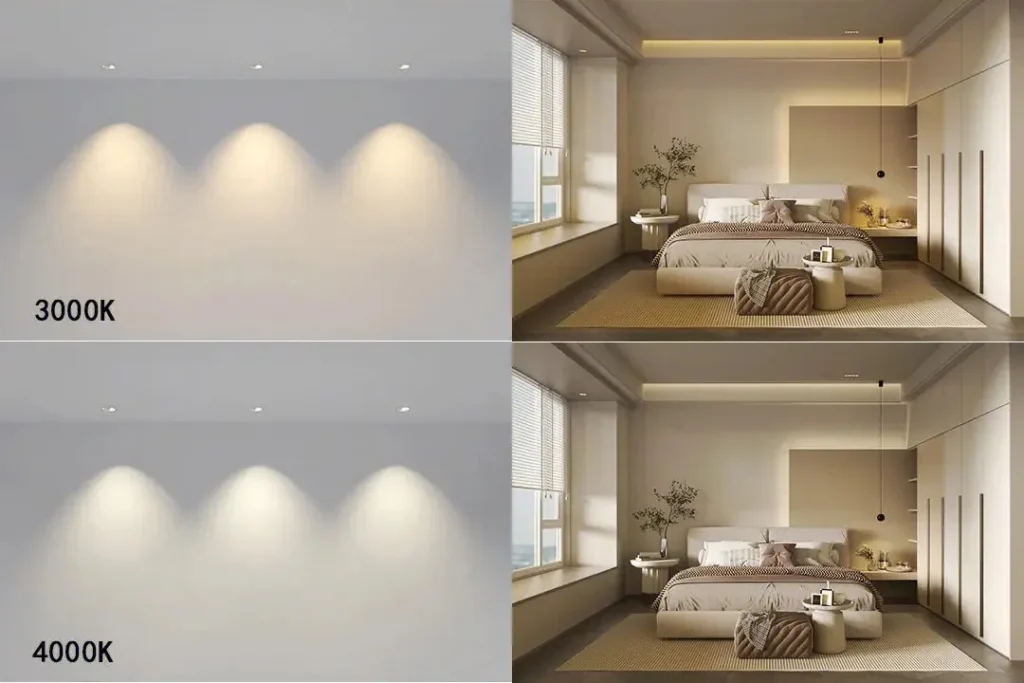
When selecting LED bulbs, two key measurements play a vital role in determining the right option: lumens and kelvins. Lumens measure brightness, showing how much visible light a bulb emits, while kelvins indicate the color temperature of the light. Lower kelvin values produce warm, cozy tones, while higher kelvin values create cooler, more daylight-like illumination. Wattage still appears on packaging, but it simply reflects how much power the bulb consumes. Understanding the relationship between these three figures allows homeowners to choose lighting that meets both aesthetic and functional needs.
Considering lumens, kelvins, and wattage together provides a complete picture when selecting LED bulbs. Lumens help determine how bright a room will feel, kelvins influence mood and atmosphere, and wattage ensures energy efficiency. Personal preference plays a role, but these measurements provide a reliable foundation for making informed decisions. LED packaging often simplifies this information with terms like “warm white” or “cool white,” making it easier to understand without technical knowledge. Using these indicators ensures consistent lighting quality throughout the home while maximizing energy savings.
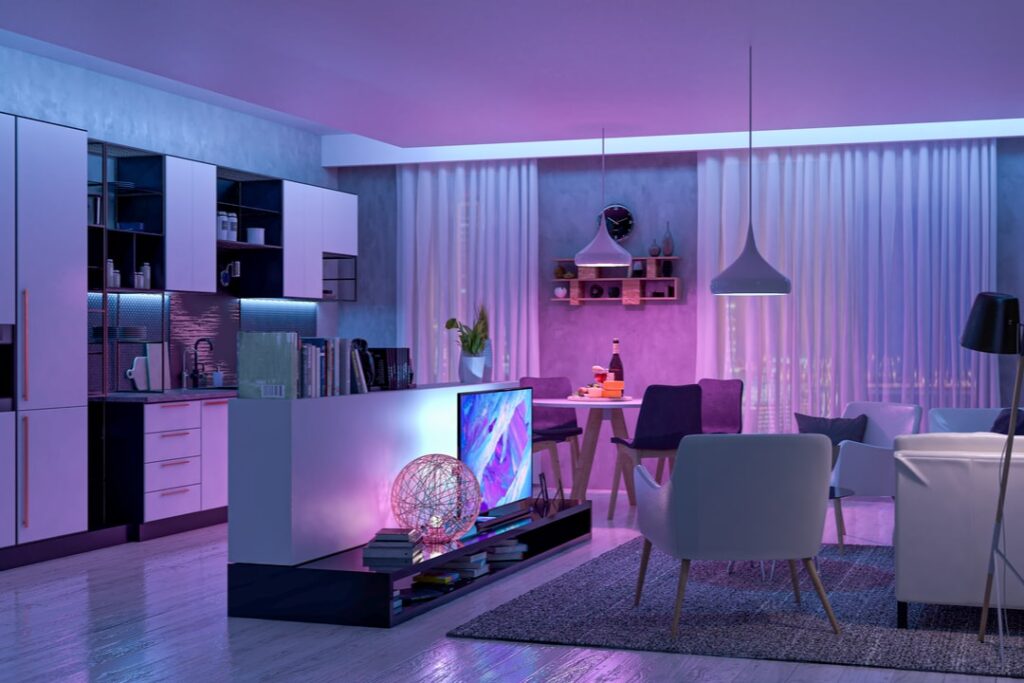
The living room is one of the most versatile spaces in a home, requiring lighting that supports relaxation, entertainment, and social interaction. Warm, inviting light enhances comfort while targeted lighting supports activities such as reading or watching television. LED bulbs in the 2200 to 3000 kelvin range create a cozy atmosphere, while brightness levels between 400 and 900 lumens work well for most fixtures. Dimmable LEDs offer additional flexibility, allowing homeowners to adjust brightness based on mood or activity without sacrificing energy efficiency or visual comfort.
In the kitchen, lighting must balance functionality with adaptability, as the space is used throughout the day for cooking, dining, and socializing. Cooler, brighter light in the morning helps with alertness and food preparation, while warmer tones in the evening create balance. A combination of downlights, often GU10 LEDs, and LED strip lighting provides both task illumination and accent lighting. A kelvin range of 3000 to 4000 with brightness between 400 and 1300 lumens ensures visibility without harshness, making the kitchen both practical and welcoming.
Bedroom lighting should promote relaxation while still supporting practical needs such as reading or dressing. Replacing old filament bulbs with LEDs allows for greater control over both brightness and color temperature. Warm to neutral tones between 2700 and 4000 kelvins help create a calming environment, while brightness levels ranging from 400 to 1300 lumens suit both main lights and bedside lamps. Avoiding overly blue light is especially important in bedrooms, as warmer lighting supports rest and helps maintain healthy sleep patterns.
The dining room benefits from layered lighting that enhances ambiance while providing sufficient illumination for meals. Dimmable LED bulbs are ideal, allowing brightness to be adjusted for different occasions, from casual family dinners to formal gatherings. Warm and neutral tones within the 2700 to 4000 kelvin range work well, paired with brightness levels of 400 to 1300 lumens. For homes with chandeliers, LED chandelier bulbs offer elegant design without sacrificing efficiency, delivering beautiful light quality while reducing energy consumption and maintenance needs.
Bathrooms require clear, balanced lighting that supports daily routines without being overly harsh. Proper illumination around mirrors and shower areas is essential, making LED strip lighting a practical option alongside main fixtures. Neutral light around 4000 kelvins provides clarity for grooming tasks while remaining comfortable for the eyes. Brightness levels of 900 lumens or more ensure visibility without glare. Choosing moisture-rated LED bulbs adds safety and durability, making bathroom lighting both functional and long-lasting.
Home offices have become an essential part of modern living, making lighting choices especially important for productivity and focus. Cooler white LED lighting promotes alertness and concentration, supporting screen-based and detailed tasks. A combination of overhead lighting and task lamps creates a balanced environment, reducing eye strain. Brightness levels between 400 and 1300 lumens and color temperatures ranging from 3000 to 4500 kelvins work well, with higher values suitable for those who prefer daylight-like illumination during working hours.
Hallways and staircases benefit from flexible lighting that enhances safety while creating a welcoming first impression. Warm light creates a pleasant atmosphere, while brighter settings improve visibility when needed. LED strip lighting works well for accenting stairs and pathways, while ceiling fixtures provide general illumination. A kelvin range of 2700 to 4000 and brightness levels from 400 to 1300 lumens offer versatility. Dimmable options allow homeowners to adjust lighting easily, combining aesthetics with practicality.
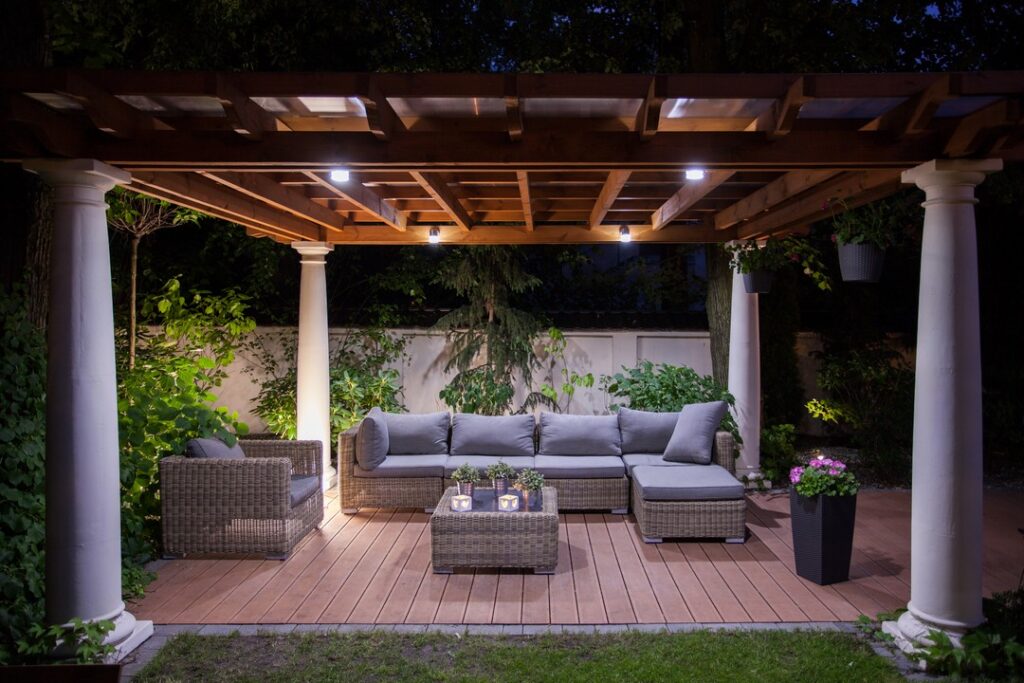
Reliable and bright lighting is essential in lofts and outdoor spaces, where visibility and safety are priorities. Loft areas often benefit from LED strip lighting paired with a strong main bulb, typically around 1300 lumens and 4500 kelvins or higher. Outdoor and garden lighting ranges from decorative solar LEDs to powerful PIR security lights. For safety and security, bright illumination between 700 and 1500 lumens and 3000 to 4000 kelvins ensures effective coverage while maintaining energy efficiency.
#LEDLighting #HomeLightingGuide #EnergyEfficientLighting #LEDLightBulbs #SmartHomeLighting #InteriorLighting #SustainableLiving #LightingDesign #EcoFriendlyHomes #ModernLighting