Efficient LED Lighting represents one of the most affordable innovations of the modern era, not because it is the cheapest product on the shelf, but because it delivers unmatched long-term value. As energy costs continue to rise globally, households, businesses, and governments are increasingly focused on solutions that reduce recurring expenses without sacrificing performance. LED lighting addresses this challenge directly by combining low energy consumption, extended lifespan, and superior light quality. This combination transforms lighting from a constant cost burden into a strategic investment that pays dividends over time, making LEDs a cornerstone of cost-effective infrastructure.
The most immediate financial advantage of LED lighting lies in its dramatically lower energy usage. LEDs convert a far greater percentage of electricity into visible light compared to incandescent, halogen, or fluorescent bulbs, which waste much of their energy as heat. This efficiency allows LEDs to use up to 80–90 percent less power while delivering the same or better brightness. Over months and years of daily operation, this reduction translates into substantial savings on electricity bills, particularly in environments where lights operate for long hours such as offices, retail spaces, factories, and public facilities.
Efficient LED Lighting is the Most Cost-Effective.
Efficient LED Lighting Beyond energy savings, the longevity of LED lighting significantly reduces maintenance and replacement costs. Traditional bulbs burn out quickly, requiring frequent replacements that add up in material, labor, and downtime. LEDs, by contrast, can last tens of thousands of hours, often functioning reliably for a decade or more. This extended lifespan minimizes disruptions and eliminates the recurring expense of purchasing and installing new bulbs. For large-scale facilities or street lighting systems, the reduced maintenance alone can justify the initial investment, making LEDs one of the most economical lighting choices available.
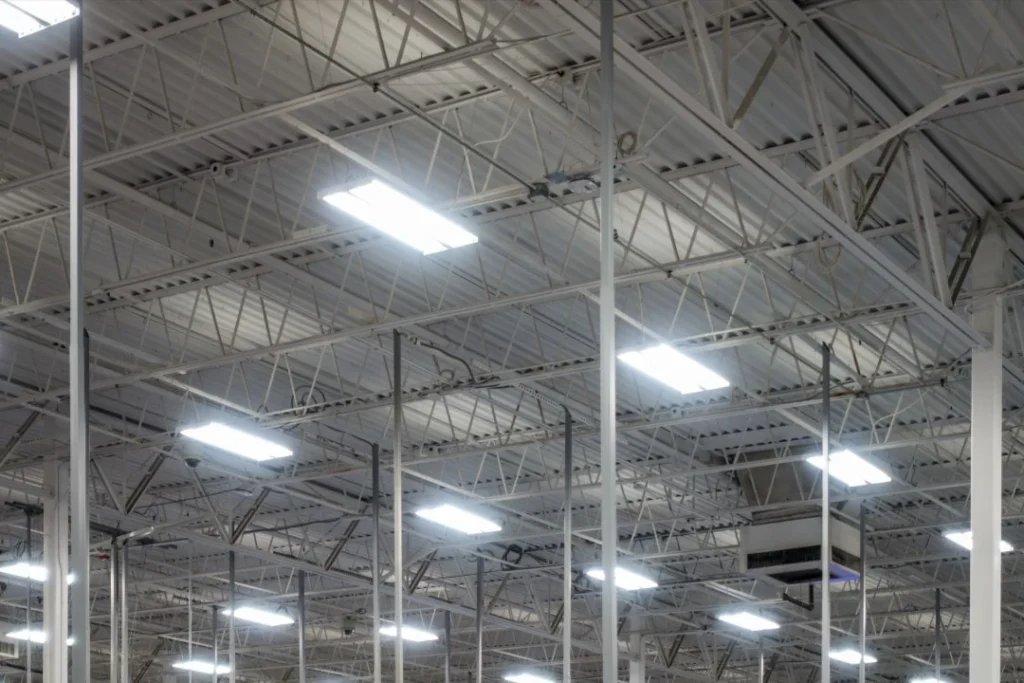
Heat reduction is another often-overlooked contributor to the cost-effectiveness of LED lighting. Conventional lighting technologies release significant heat, increasing indoor temperatures and forcing cooling systems to work harder. LEDs emit minimal heat, which helps maintain comfortable environments and reduces air conditioning loads. In commercial buildings, warehouses, and industrial spaces, this secondary energy saving can be substantial. By lowering both lighting and cooling costs, LEDs deliver compound financial benefits that extend beyond the lighting system itself.
Why Energy-Efficient LED Lighting is the Most Cost-Effective
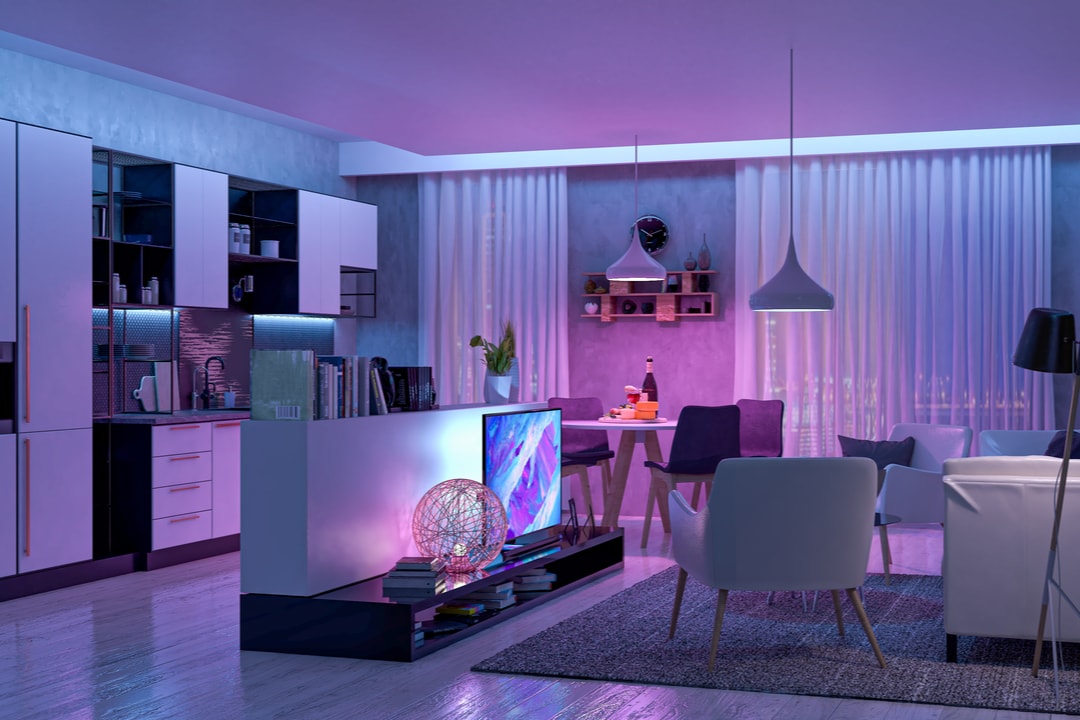
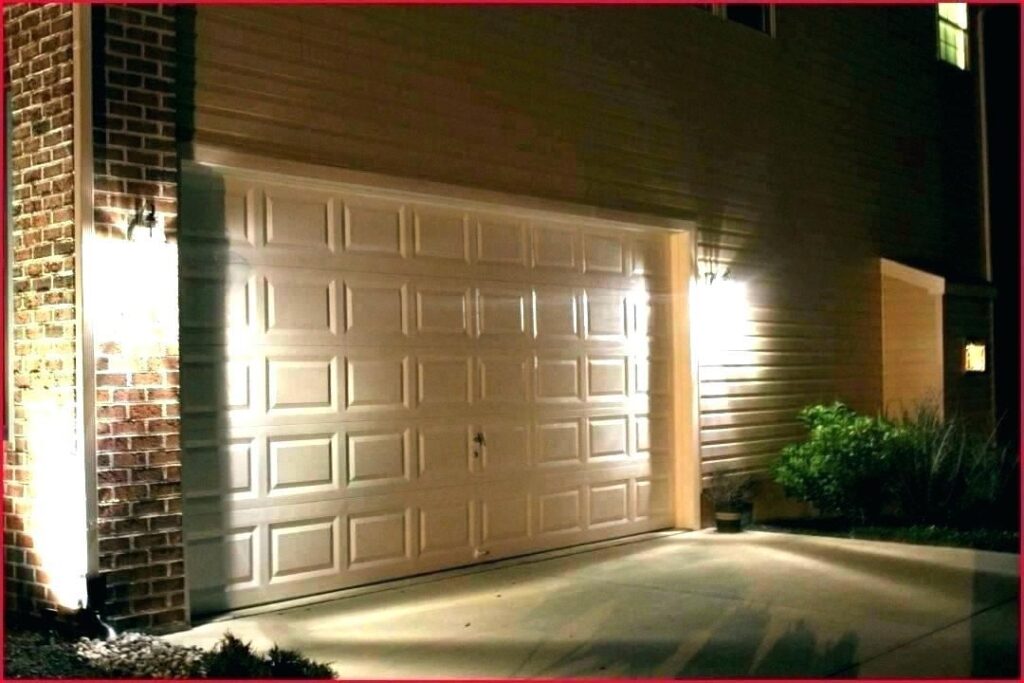
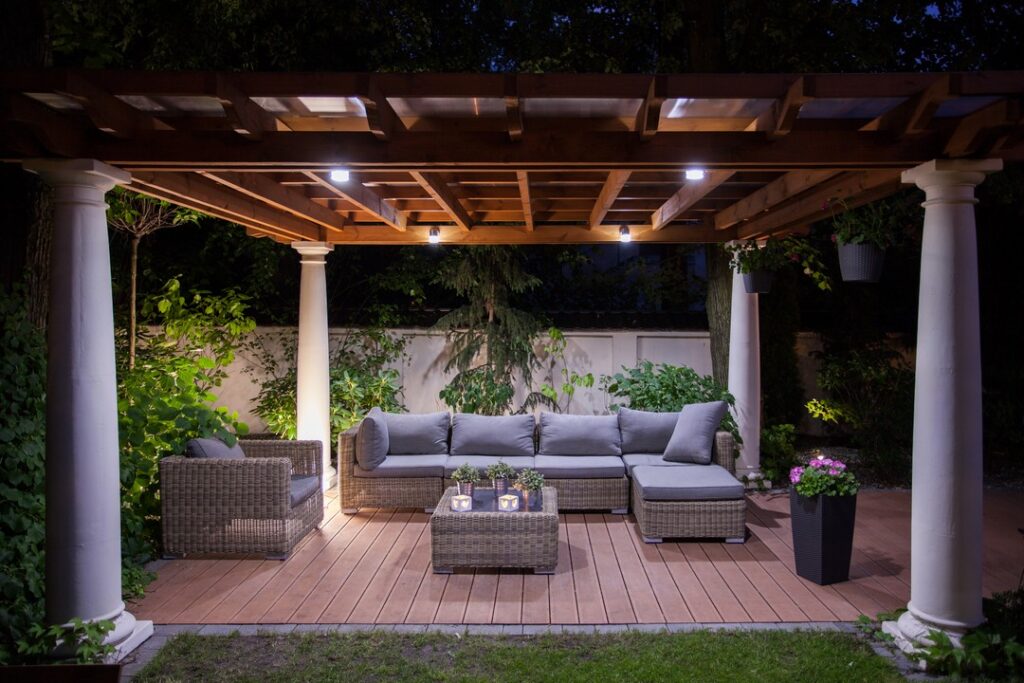
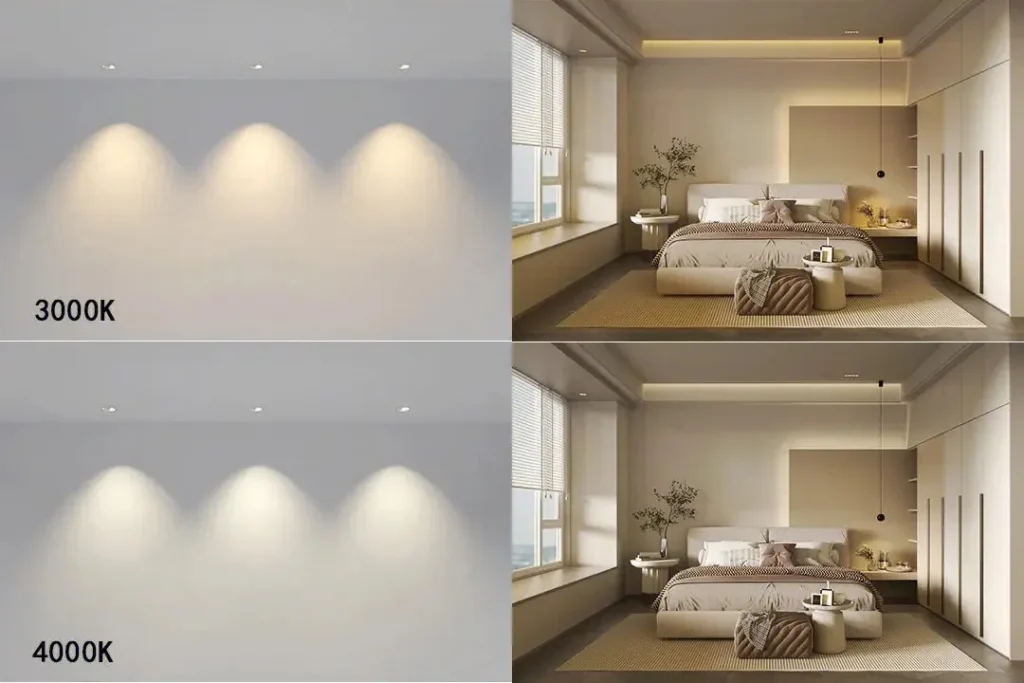
The affordability of LED lighting is also reinforced by its adaptability across applications. A single LED platform can serve residential, commercial, industrial, architectural, and outdoor needs without requiring specialized systems for each use case. Directional lighting, adjustable brightness, and tunable color temperatures allow LEDs to be optimized for specific tasks, reducing over-lighting and wasted energy. This precision ensures that users pay only for the light they actually need, further enhancing operational efficiency and cost control.
Efficient LED Lighting Declining production costs have also played a major role in making LED lighting accessible to a wider audience. Advances in semiconductor manufacturing and global adoption have significantly reduced upfront prices over the past decade. What was once considered a premium technology is now widely affordable, even for budget-conscious consumers. Government incentives, rebates, and energy-efficiency programs further lower entry costs, accelerating adoption and shortening the payback period. As a result, LED lighting has evolved from an innovation into a practical, mainstream solution.
From a business perspective, LED lighting improves profitability by reducing overhead and enhancing workplace performance. Better lighting quality improves visibility, reduces errors, and enhances employee comfort, leading to higher productivity and fewer accidents. Retail environments benefit from improved color rendering that enhances product appearance, increasing customer engagement and sales. These indirect financial gains amplify the cost-effectiveness of LEDs, proving that savings are not limited to utility bills but extend across operations and outcomes.
Affordable Innovation
Efficient LED Lighting Environmental responsibility also strengthens the economic case for LED lighting. Lower energy consumption reduces carbon emissions, helping organizations meet sustainability goals and regulatory requirements. LEDs contain no mercury and generate less waste due to their long lifespan, lowering disposal and environmental compliance costs. As sustainability increasingly influences consumer and investor decisions, LED adoption enhances brand reputation and long-term resilience. Cost-effectiveness in today’s market is no longer measured solely in dollars, but also in environmental and social impact.
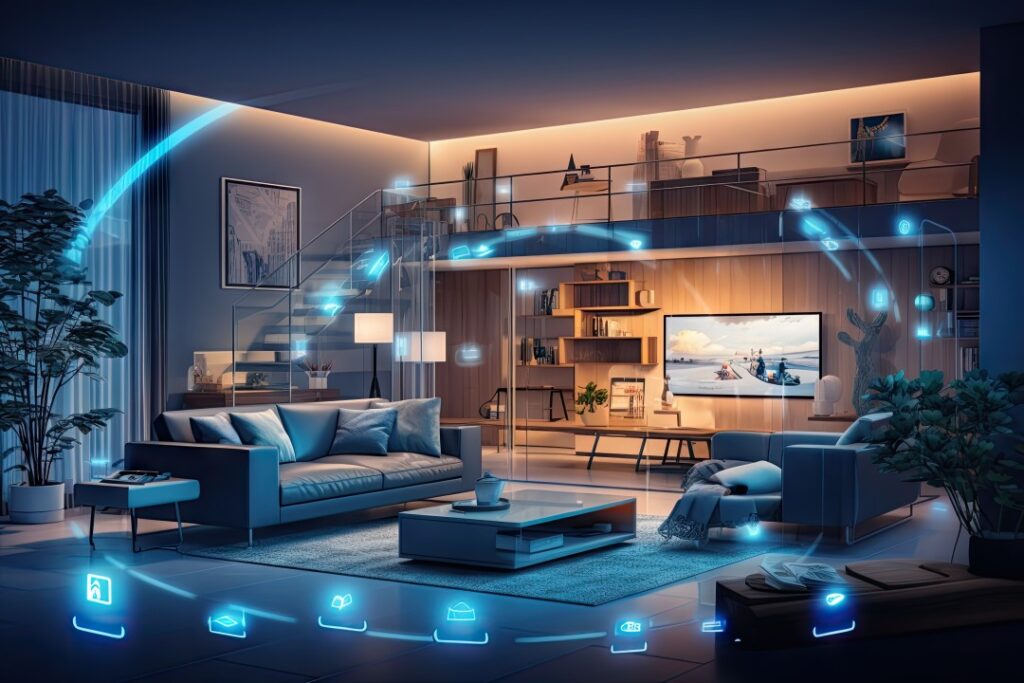
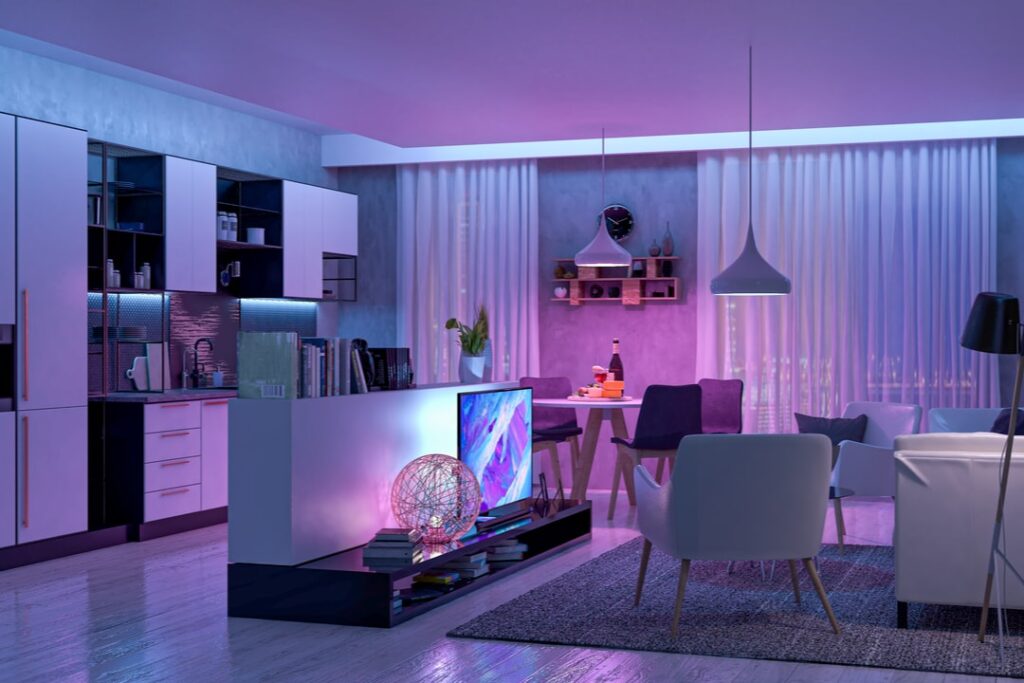
Smart LED systems take affordability to the next level by introducing automation and data-driven optimization. Motion sensors, daylight harvesting, and scheduling ensure that lights operate only when needed and at appropriate levels. This intelligent control eliminates unnecessary energy use and extends fixture lifespan. While smart systems may involve a slightly higher initial investment, the operational savings quickly outweigh the costs. Smart LEDs demonstrate how innovation and affordability can coexist, delivering precision efficiency without complexity.
Efficient LED Lighting Ultimately, energy-efficient LED lighting stands as one of the most cost-effective innovations available because it addresses every layer of expense simultaneously. It reduces energy consumption, minimizes maintenance, lowers cooling costs, improves performance, supports sustainability, and adapts to future needs. Rather than focusing on short-term pricing, LEDs redefine affordability through long-term value. In a world where efficiency, resilience, and smart spending matter more than ever, LED lighting proves that true innovation is not about spending less today, but about saving more tomorrow.
#LEDLighting #EnergyEfficiency #CostEffectiveLighting #SmartEnergy #SustainableLighting #LEDTechnology #EnergySavings #GreenInnovation #EfficientInfrastructure #FutureLighting