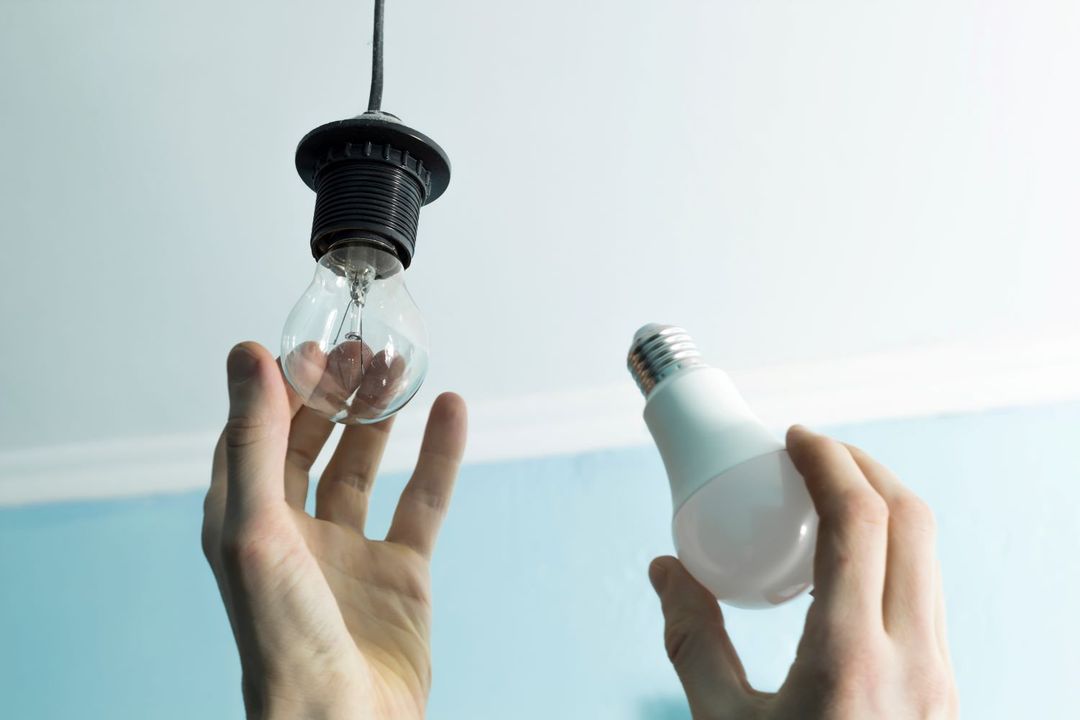
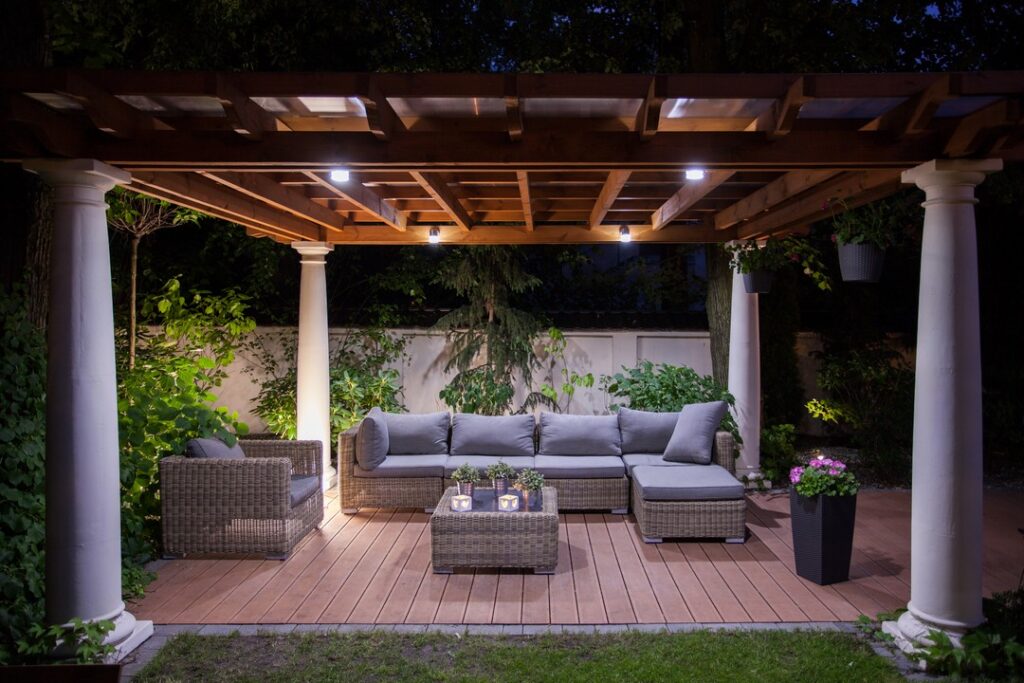
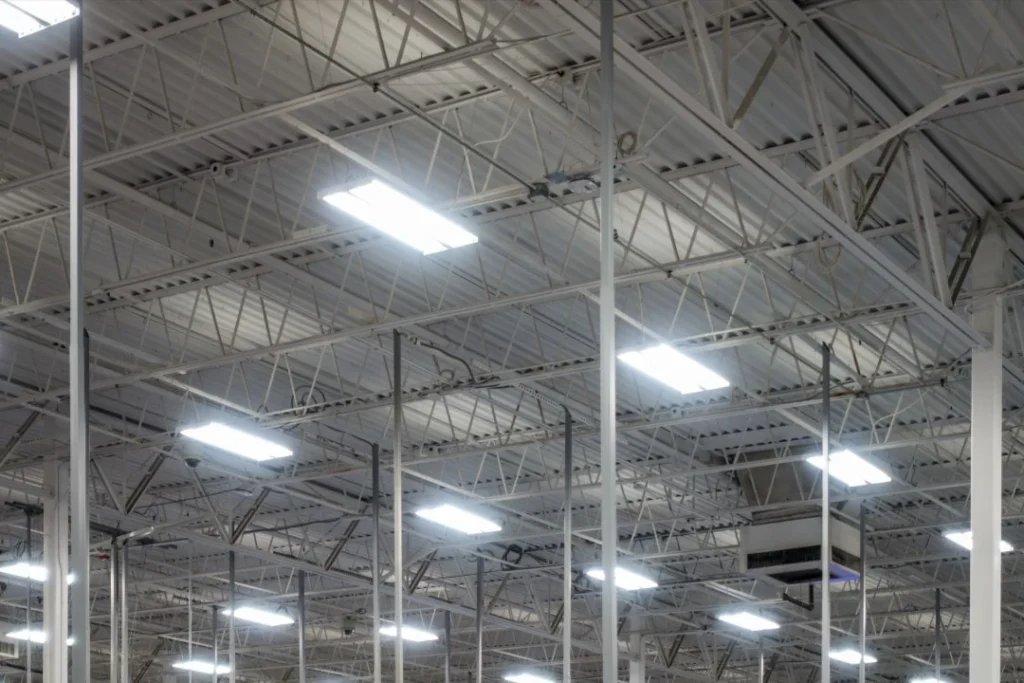
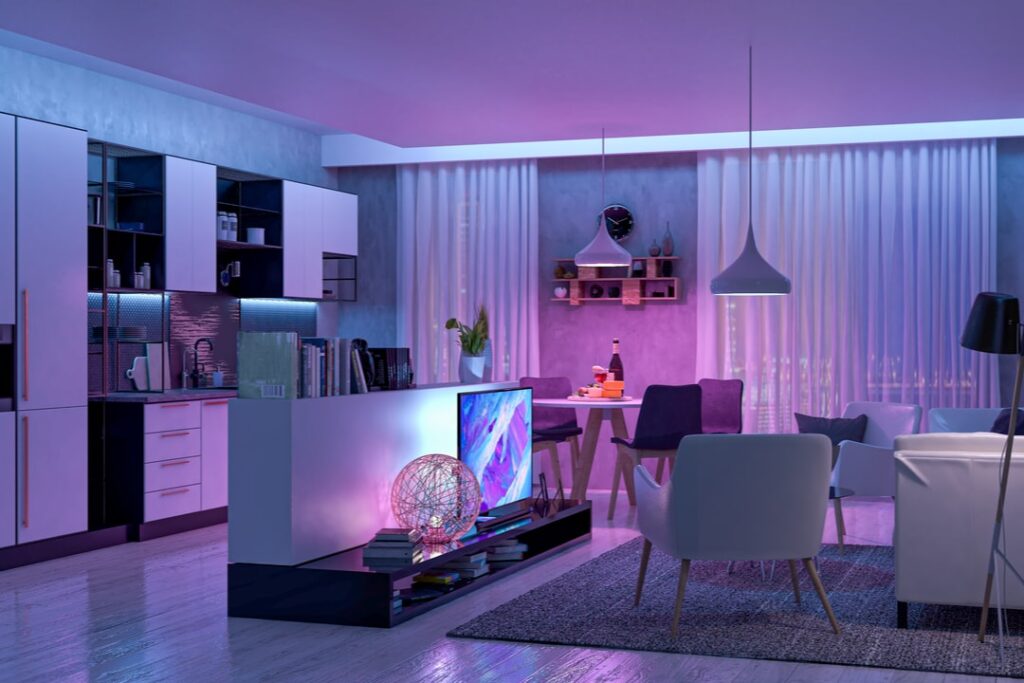
Rising electricity bills have become a growing concern for households and businesses alike, pushing many to reconsider how energy is used in everyday life. One of the most effective changes anyone can make is upgrading lighting systems to LED technology. Lighting may seem like a small contributor to energy consumption, but over time it plays a significant role in monthly expenses. LED lighting has fundamentally changed how we think about illumination by delivering powerful brightness with dramatically lower energy usage. This shift from outdated lighting to LEDs represents more than a technical upgrade; it is a practical solution that transforms high energy bills into long-term savings.
The key reason LED lighting changes everything lies in how efficiently it converts electricity into light. Traditional incandescent and halogen bulbs waste most of their energy by producing heat rather than usable illumination. LEDs operate using semiconductor technology that produces light through electroluminescence, allowing far more energy to be converted into visible light. As a result, LEDs require significantly fewer watts to produce the same brightness. This efficiency means lights can remain on longer without the fear of excessive electricity costs, making LED lighting ideal for both residential and commercial environments.
Another major contributor to savings is the long lifespan of LED lights. While traditional bulbs may need replacement every few months or years, LED fixtures are designed to last for tens of thousands of hours. This longevity reduces the ongoing cost of purchasing replacement bulbs and lowers maintenance expenses. In offices, retail spaces, and industrial facilities, reduced maintenance also means fewer disruptions and lower labor costs. Over time, the combined effect of lower energy use and reduced replacement frequency turns LED lighting into one of the most cost-effective investments available.
Heat reduction is an often-overlooked benefit that further enhances savings with LED lighting. Conventional lighting releases a large amount of heat, increasing indoor temperatures and forcing cooling systems to work harder. LEDs emit very little heat, helping to maintain a more comfortable indoor environment. This reduced thermal output lowers the demand on air conditioning systems, especially in warmer climates or during summer months. As cooling systems consume significant energy, minimizing excess heat from lighting contributes to additional reductions in overall electricity consumption.
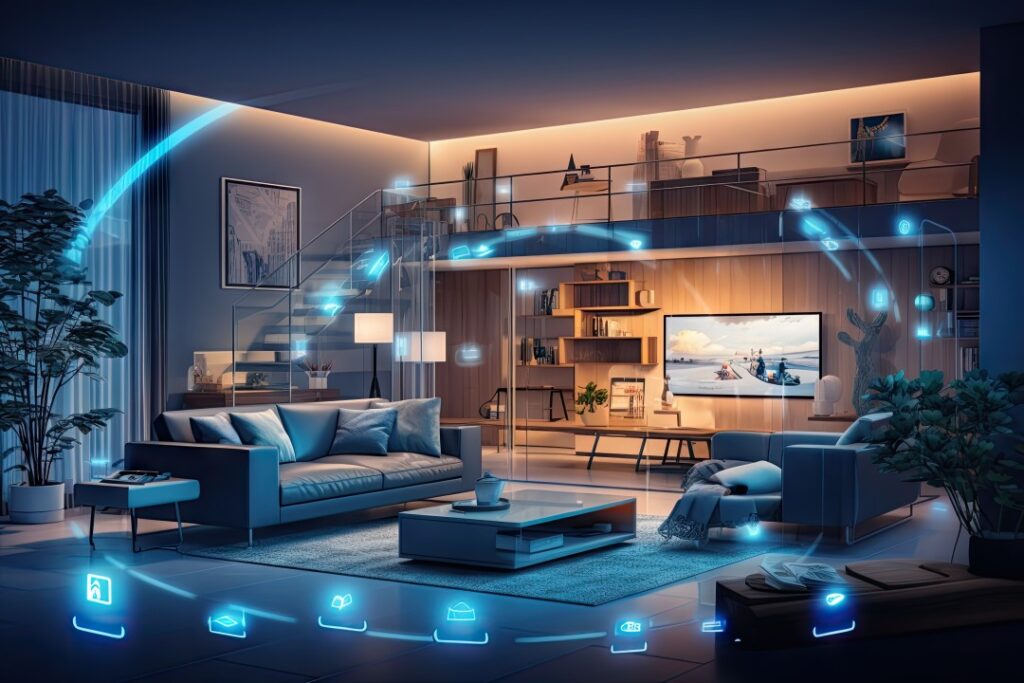
LED lighting also supports smarter energy use through compatibility with modern control systems. Dimming, motion sensors, timers, and smart automation allow lights to operate only when needed and at appropriate brightness levels. Instead of wasting energy on fully lit spaces that are unoccupied, LED systems respond dynamically to real usage. These controls amplify energy savings while improving comfort and convenience. For businesses, this level of efficiency ensures lighting costs are optimized throughout the day without compromising productivity or safety.
From a financial perspective, the initial cost of LED lighting is often higher than traditional options, but this upfront expense is quickly offset by long-term savings. Lower electricity bills begin immediately after installation, and reduced maintenance costs continue for years. Many users find that the return on investment occurs within a relatively short period, after which the savings become ongoing benefits. This makes LED lighting not just an environmentally responsible choice but also a financially strategic one for long-term planning.
LED lighting also brings consistency and reliability that traditional lighting cannot match. LEDs maintain stable brightness and color quality throughout their lifespan, ensuring predictable performance. Unlike older technologies that dim or flicker over time, LEDs deliver consistent illumination without increasing energy use. This reliability is particularly valuable in professional environments where lighting quality directly impacts productivity, safety, and visual comfort. Reliable performance reduces the need for frequent inspections or replacements, further contributing to cost efficiency.
Beyond individual savings, widespread adoption of LED lighting has a broader impact on energy systems and sustainability. Reduced electricity demand lowers strain on power grids and decreases greenhouse gas emissions associated with energy generation. Governments and utility providers worldwide promote LED adoption as part of energy efficiency initiatives because of its measurable impact. For environmentally conscious consumers and businesses, LED lighting aligns financial savings with sustainability goals, making it a responsible choice in a changing energy landscape.
LED technology continues to evolve, offering even greater efficiency and smarter integration with modern buildings. Innovations in optics, drivers, and connectivity are pushing energy savings further while improving user control. Smart LED systems can now adjust automatically based on natural light, occupancy, and usage patterns. These advancements ensure that LED lighting remains relevant and adaptable as energy demands change. The future of lighting is not just brighter, but smarter, more efficient, and more cost-effective.
Ultimately, the transition from high electricity bills to big savings begins with smarter choices, and LED lighting stands at the center of that transformation. By consuming less power, lasting longer, producing less heat, and integrating with advanced controls, LEDs redefine how lighting contributes to energy costs. Whether in homes, offices, or large commercial spaces, LED lighting proves that small changes can deliver significant financial and environmental benefits. It is not just a lighting upgrade; it is a long-term investment in efficiency, sustainability, and smarter energy use.
#LEDLighting #EnergySavings #LowerElectricityBills #EnergyEfficientLighting #SmartLighting #SustainableLiving #LEDTechnology #EcoFriendlyLighting