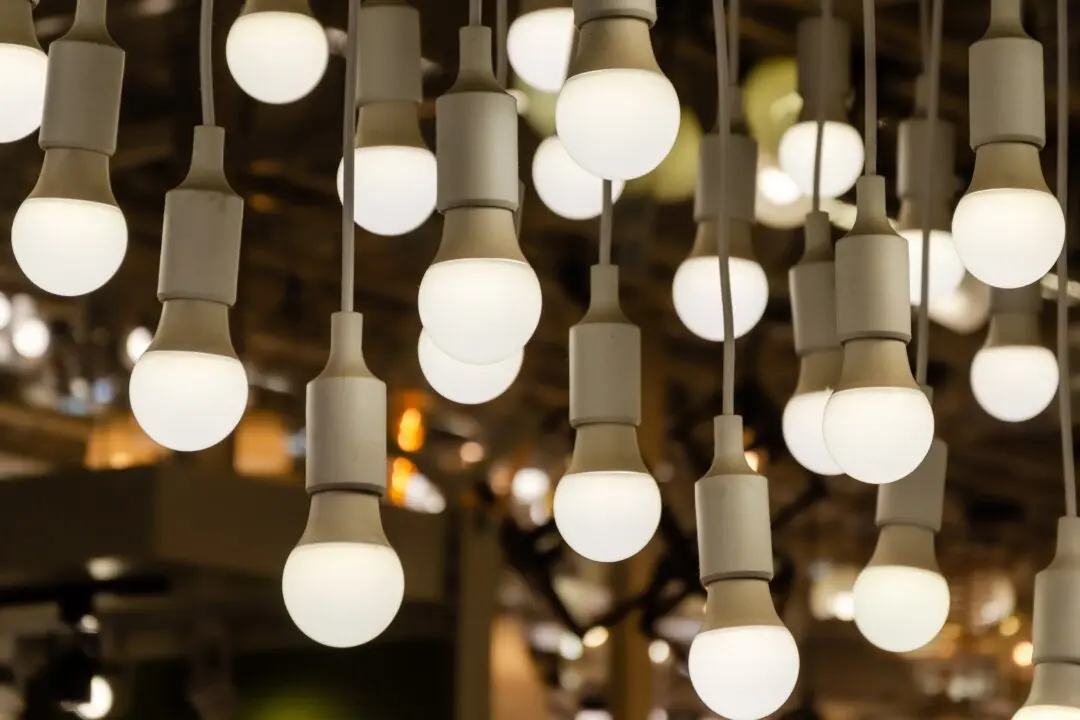
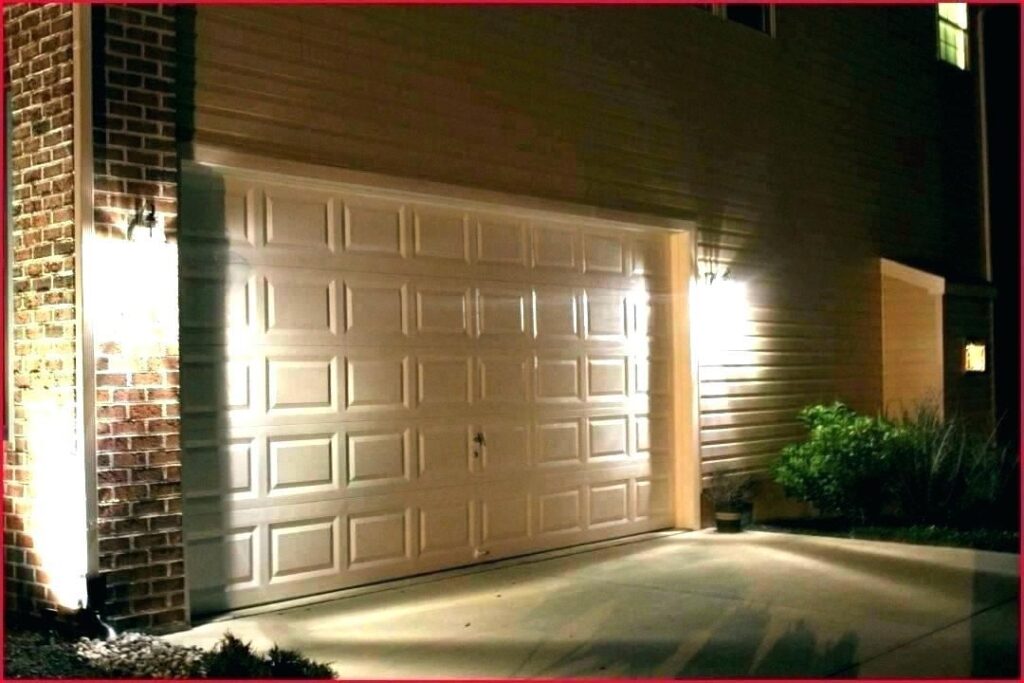
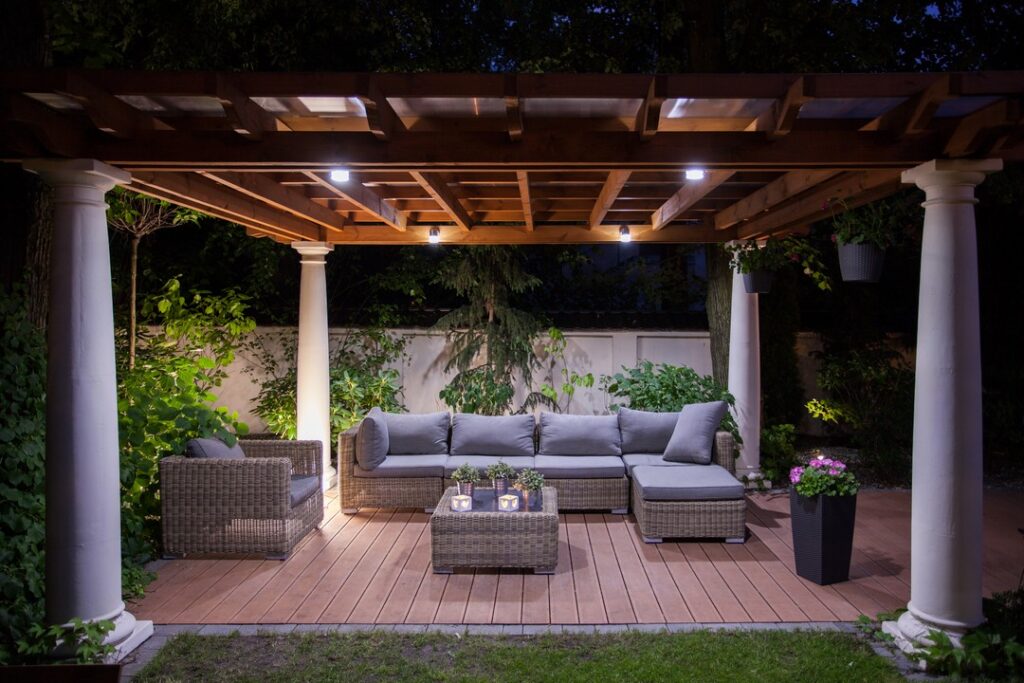
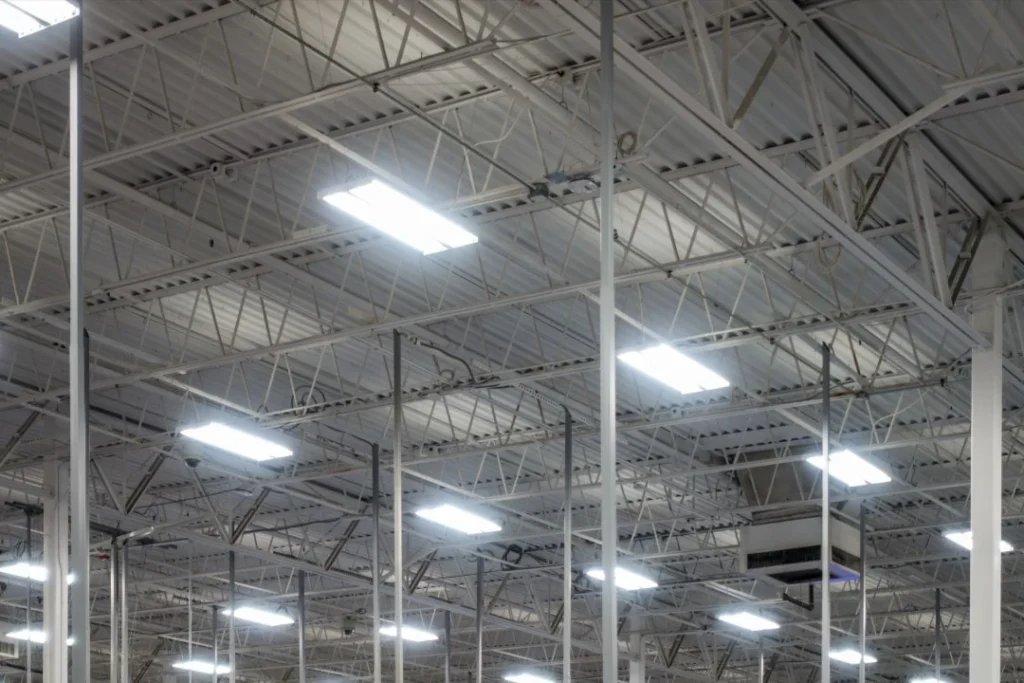
The journey from traditional bulbs to smart illumination represents one of the most important technological revolutions in modern lighting history. For decades, incandescent and fluorescent bulbs dominated homes and workplaces, consuming large amounts of energy while delivering limited efficiency. As electricity demand increased and environmental concerns grew, the need for a better solution became clear. LED lighting emerged as a response to these challenges, offering a smarter, more efficient way to illuminate spaces. This transition is not merely about changing light sources; it reflects a fundamental shift in how energy is used, managed, and valued.
Traditional lighting technologies relied heavily on heat-based illumination, which resulted in significant energy waste. Incandescent bulbs, for example, convert most of their energy into heat rather than visible light, making them inefficient and costly to operate. LEDs introduced a new approach by using semiconductor technology to produce light through electroluminescence. This process allows LEDs to generate brightness using far less electricity. As a result, users experience immediate reductions in energy consumption, making LED lighting an attractive alternative in an era of rising electricity costs.
One of the most compelling reasons behind the LED lighting revolution is its ability to deliver long-term cost savings. While traditional bulbs may appear cheaper initially, their short lifespan and high energy usage make them expensive over time. LED lights can last tens of thousands of hours, significantly reducing replacement frequency. This durability lowers maintenance costs and minimizes disruptions, especially in commercial and industrial settings. Over the years, the combined savings from reduced electricity bills and fewer replacements make LED lighting a financially sound investment.
The LED revolution has also transformed how lighting interacts with indoor environments. Traditional bulbs generate excessive heat, increasing indoor temperatures and placing additional strain on cooling systems. LEDs emit very little heat, helping maintain comfortable spaces while reducing the load on air conditioning. This indirect energy saving is especially valuable in warm climates and large buildings where cooling costs are substantial. By addressing both lighting and temperature efficiency, LEDs contribute to a more balanced and sustainable energy ecosystem.
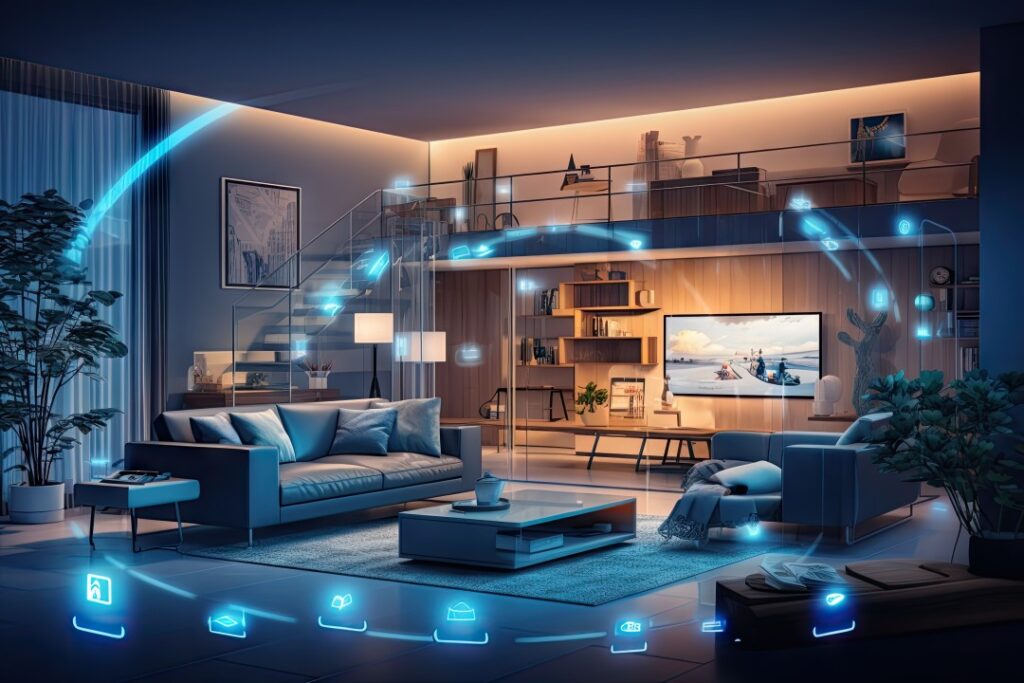
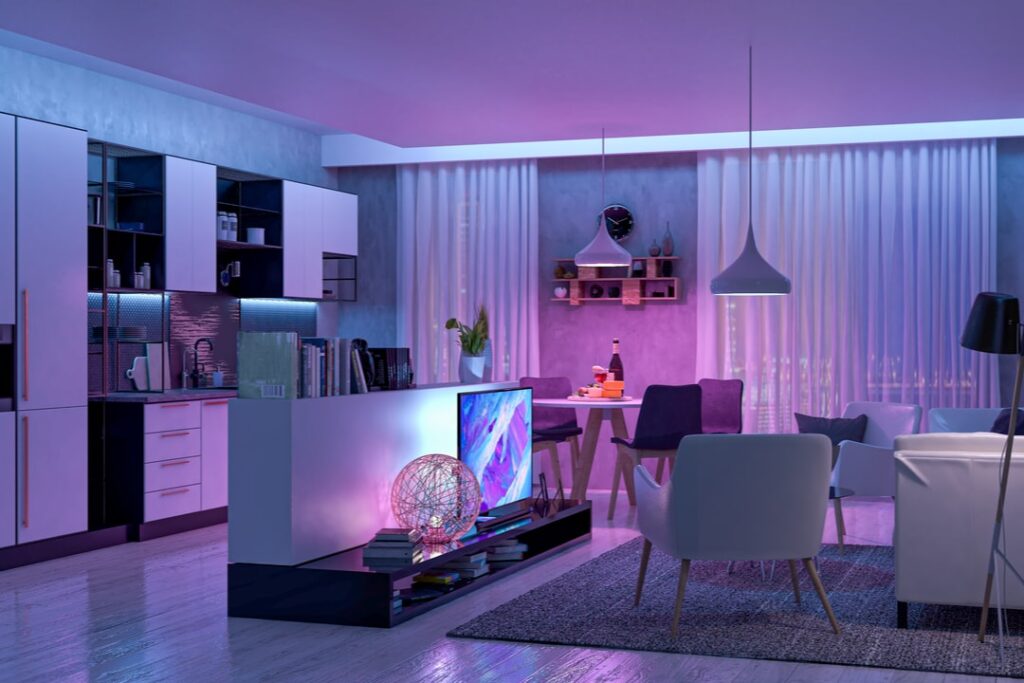
Smart illumination is a defining feature of modern LED lighting systems. Unlike traditional bulbs, LEDs are fully compatible with advanced controls such as dimmers, motion sensors, daylight sensors, and smart home automation platforms. These technologies allow lighting to adapt dynamically to real-world conditions. Lights can automatically adjust brightness based on natural light, turn off when spaces are unoccupied, or follow preset schedules. This intelligent operation eliminates unnecessary energy use and transforms lighting into an active component of energy management.
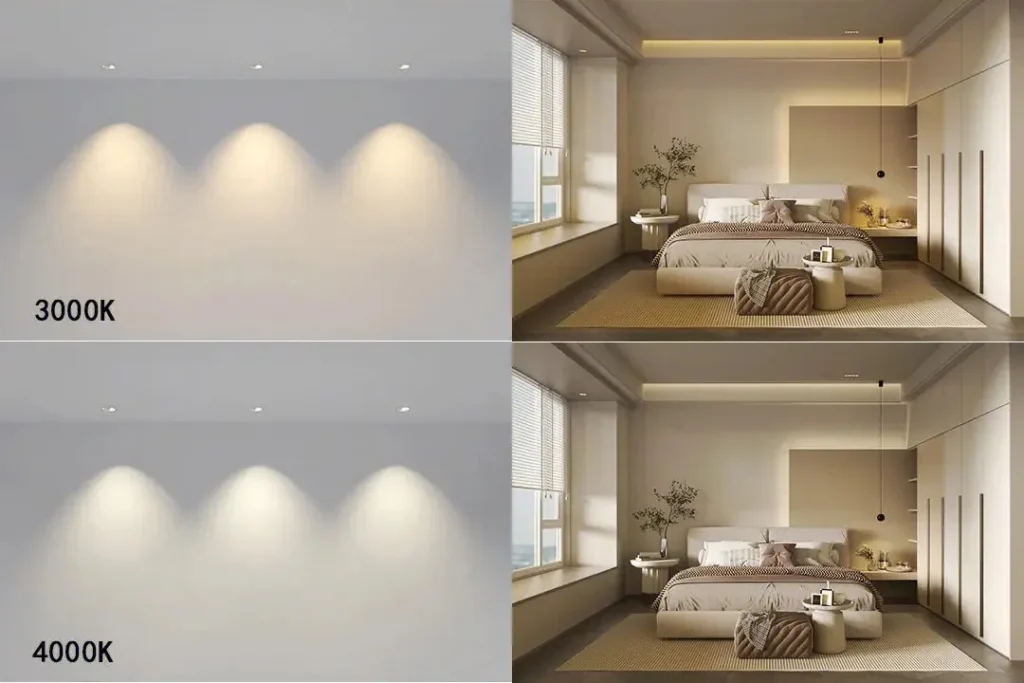
Design flexibility has further accelerated the adoption of LED lighting across residential and commercial spaces. LEDs are compact, versatile, and available in a wide range of color temperatures and intensities. This makes them suitable for ambient, task, accent, and decorative lighting applications. Unlike traditional bulbs that emit light in all directions, LEDs provide directional illumination, focusing light where it is needed most. This precision enhances visual comfort, reduces glare, and minimizes wasted light, making spaces both functional and visually appealing.
Environmental responsibility is another driving force behind the LED lighting revolution. Reduced energy consumption directly lowers greenhouse gas emissions associated with power generation. LEDs also contain no mercury or hazardous materials, unlike some traditional lighting technologies, making disposal safer and more environmentally friendly. Their long lifespan reduces waste, as fewer bulbs end up in landfills. Governments and organizations worldwide promote LED adoption as part of sustainability initiatives, reinforcing its role in achieving long-term environmental goals.
The evolution from basic LED bulbs to fully integrated smart lighting systems highlights how far this technology has progressed. Modern LED solutions now offer connectivity with building management systems and smart devices, enabling real-time monitoring and optimization of energy use. Users can control lighting remotely through mobile apps or voice commands, enhancing convenience and efficiency. These advancements ensure that LED lighting continues to evolve alongside digital infrastructure, supporting smarter homes and more efficient commercial buildings.
Reliability and performance consistency further distinguish LEDs from traditional lighting. LEDs maintain stable brightness and color quality throughout their lifespan, unlike older bulbs that dim or flicker over time. This consistency is especially important in workplaces, retail environments, and healthcare facilities where lighting quality directly affects productivity and safety. With fewer failures and predictable performance, LED lighting reduces operational risks and supports uninterrupted daily activities.
Ultimately, the LED lighting revolution represents a shift toward smarter, more responsible energy use. By replacing inefficient traditional bulbs with intelligent, high-performance LED systems, individuals and organizations gain control over energy consumption and costs. LED lighting combines efficiency, durability, smart control, and sustainability into a single solution that meets the demands of modern living. As technology continues to advance and awareness grows, the transition from traditional bulbs to smart illumination will only accelerate, shaping a brighter and more energy-efficient future.
#LEDLighting #SmartIllumination #LEDRevolution #EnergyEfficientLighting #SmartLighting #SustainableEnergy #ModernLighting #EcoFriendlyLighting