LED lighting may appear simple from the outside, but behind its steady glow lies a fascinating world of science and innovation. At the heart of every LED light is a process that transforms electrical energy into visible light with remarkable efficiency. Unlike traditional bulbs that rely on heat to produce illumination, LEDs work through advanced electronic interactions. This difference is what makes LEDs cooler, longer-lasting, and more energy-efficient. Understanding how LED lights work not only deepens appreciation for modern lighting technology but also explains why LEDs have become the preferred choice across homes, offices, industries, and smart cities worldwide.
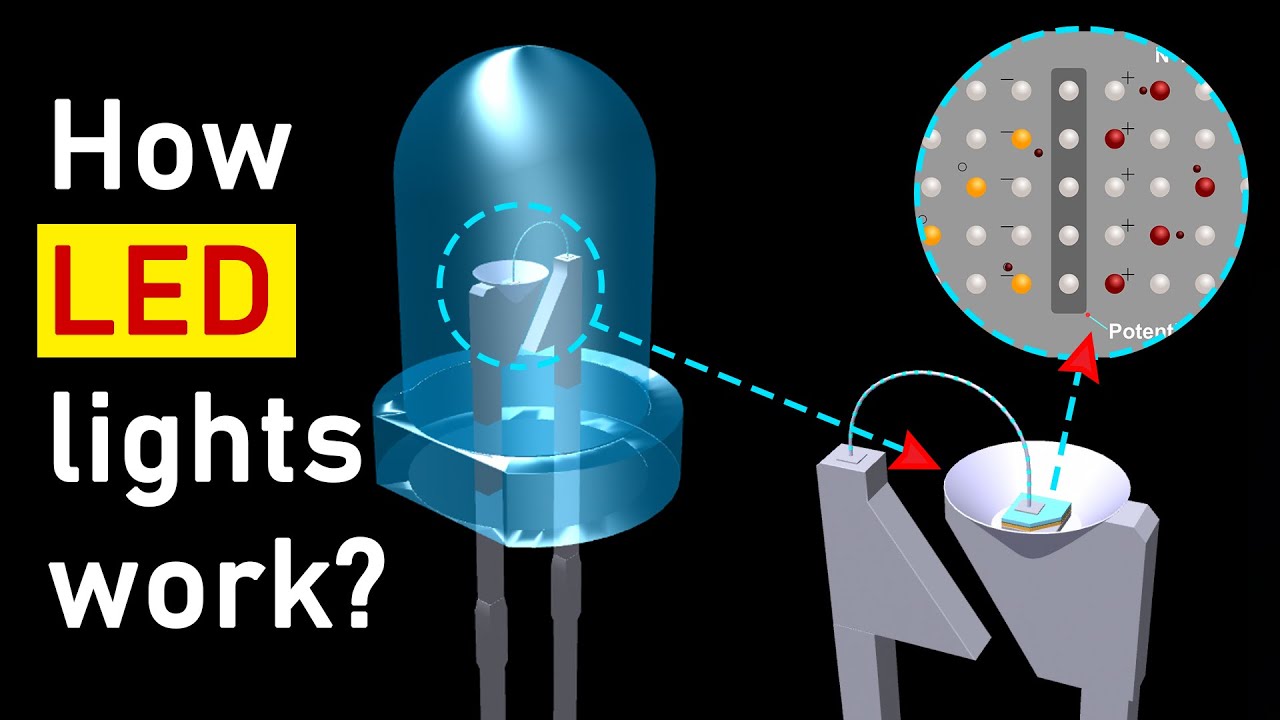
The journey of LED light begins with electrons, the tiny particles that move through electrical circuits. When electricity flows into an LED, it passes through a special material known as a semiconductor. Semiconductors are unique because they can conduct electricity under certain conditions while resisting it under others. This controlled behavior allows LEDs to manage energy with precision. As electrons move through the semiconductor material, they transition between energy levels. This movement is carefully engineered so that energy is released in the form of light rather than heat, making LEDs far more efficient than older lighting technologies.
At the core of an LED is a structure called a diode, which allows electrical current to flow in only one direction. This directional flow is essential for consistent and stable light output. Inside the diode are two layers of semiconductor material, one with extra electrons and one with fewer electrons. When voltage is applied, electrons move across the boundary between these layers. This interaction creates the conditions necessary for light production. The controlled flow of electrons ensures that energy loss is minimized, which is why LEDs operate at lower temperatures and consume less power.
The real magic happens when electrons release energy in the form of photons. Photons are the basic particles of light, and their release is what creates the visible glow of an LED. When electrons drop from a higher energy level to a lower one within the semiconductor, the excess energy is emitted as a photon. The color of the light depends on the amount of energy released, which is determined by the materials used in the semiconductor. This precise control over light color is one of the reasons LEDs can produce such a wide range of lighting tones.
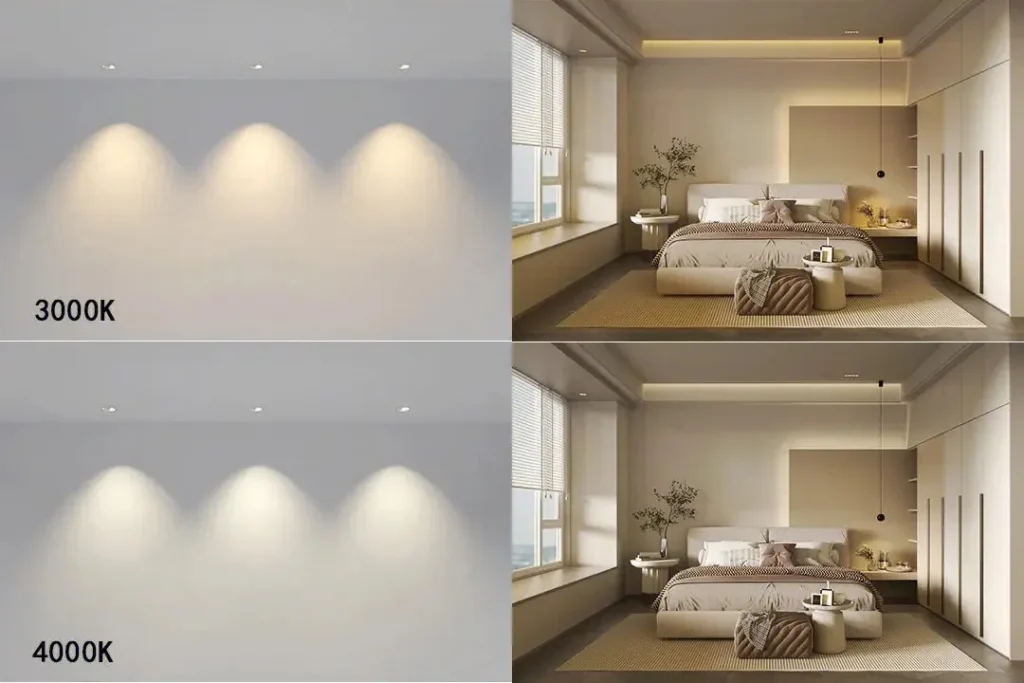
Different LED colors are achieved by altering the semiconductor materials and their energy band gaps. A larger energy gap produces higher-energy photons, resulting in bluer light, while a smaller gap produces lower-energy photons, creating redder light. White LED light is typically produced by combining blue LEDs with phosphor coatings that convert some of the blue light into yellow tones, which blend together to appear white. This layered approach allows manufacturers to fine-tune color temperature, brightness, and quality, making LEDs suitable for both functional and decorative applications.
One of the reasons LEDs generate so little heat compared to traditional bulbs is that very little energy is wasted. Incandescent bulbs produce light by heating a filament until it glows, which means most of the energy becomes heat rather than light. LEDs bypass this inefficient process entirely. Because light is created through electron movement instead of heat, LEDs remain cool to the touch even after hours of operation. This efficiency reduces energy waste, improves safety, and lowers cooling costs in indoor environments.
The compact design of LEDs also plays a role in their versatility and performance. LEDs are small, solid-state components with no fragile filaments or glass enclosures. This makes them highly durable and resistant to shock, vibration, and frequent switching. Their small size allows them to be arranged in arrays, strips, or panels, offering endless design possibilities. From sleek architectural lighting to high-powered industrial fixtures, LEDs can be configured to deliver precise illumination exactly where it is needed without sacrificing efficiency or lifespan.
Another scientific advantage of LED technology is its ability to turn on instantly at full brightness. Unlike fluorescent bulbs that require warm-up time, LEDs respond immediately when powered. This instant illumination is due to the direct nature of electron movement within the semiconductor. There is no delay caused by heating elements or gas excitation. This feature makes LEDs ideal for applications such as motion-sensor lighting, automotive lights, and smart systems where immediate response is essential for safety, convenience, and performance.
LED efficiency also translates into exceptional longevity, which is a direct result of their scientific design. Because LEDs do not rely on heat or mechanical components, there is less physical stress on the materials. Over time, LEDs gradually lose brightness rather than failing suddenly, which is known as lumen depreciation. This predictable behavior allows for better planning in commercial and residential lighting systems. The stable performance of LEDs reduces maintenance requirements and supports sustainable lighting solutions that last for many years.
The science behind LED lighting represents a perfect blend of physics, materials science, and electrical engineering. By harnessing the controlled movement of electrons and the emission of photons, LEDs produce light in one of the most efficient ways possible. This technology continues to evolve, delivering better color accuracy, higher efficiency, and smarter integration with digital systems. Understanding how LED lights work reveals why they are not just a lighting trend but a technological breakthrough shaping the future of illumination across the world.
#LEDLighting #LightingTechnology #ScienceOfLight #EnergyEfficientLighting #LEDInnovation #SmartLighting #SustainableTechnology
#ModernIllumination #GreenEnergy #FutureOfLighting