LED lighting has become one of the most impactful innovations in modern energy-efficient technology, transforming how homes, offices, and industries illuminate their spaces. As electricity prices continue to rise globally, the need for smarter lighting solutions has never been greater. LED lighting stands out because it produces high-quality illumination while consuming significantly less energy than traditional incandescent, halogen, or fluorescent lights. This efficiency is not just a technical advantage but a practical one that directly influences monthly electricity bills. By converting more electrical energy into visible light instead of heat, LEDs redefine lighting efficiency in everyday environments.
At the core of LED energy savings is how the technology works. Unlike traditional bulbs that rely on heating a filament to produce light, LEDs use a semiconductor to emit light when electrical current passes through it. This process, known as electroluminescence, is far more efficient because it minimizes wasted energy. Traditional bulbs lose a large percentage of electricity as heat, while LEDs generate very little heat during operation. This fundamental difference allows LED lighting to deliver the same or higher brightness levels using a fraction of the power, leading to immediate and measurable reductions in electricity consumption.
LED Lighting Explained
One of the biggest reasons LED lighting reduces electricity costs is its superior luminous efficacy, which measures how much light is produced per watt of energy used. LEDs can produce several times more lumens per watt than incandescent or fluorescent lights. This means fewer watts are needed to achieve the same brightness. For households and businesses alike, this translates into lower power usage throughout the day. Whether lighting is used for short periods or left on for extended hours, the cumulative energy savings from LED lighting quickly become evident on electricity bills.
LED lighting Beyond lower power consumption, LED lighting also reduces costs by lasting significantly longer than other light sources. An LED bulb can operate for 25,000 to 50,000 hours or more, compared to just 1,000 hours for incandescent bulbs. This extended lifespan means fewer replacements, reduced maintenance, and lower purchasing costs over time. In commercial environments such as offices, retail stores, and warehouses, reduced maintenance translates into additional savings by minimizing labor and operational disruptions. Long lifespan combined with efficiency makes LED lighting a long-term financial advantage.
How It Saves Energy and Reduces Electricity Costs
LED lighting also plays an indirect role in reducing electricity costs by lowering cooling requirements. Since LEDs emit very little heat, indoor spaces remain cooler compared to environments lit by traditional bulbs that release significant heat. In warm climates or during summer months, this reduced heat output decreases the load on air conditioning systems. Lower cooling demand means reduced energy consumption across multiple systems, not just lighting. Over time, this compound effect contributes to meaningful savings and improved indoor comfort, especially in commercial and industrial buildings.
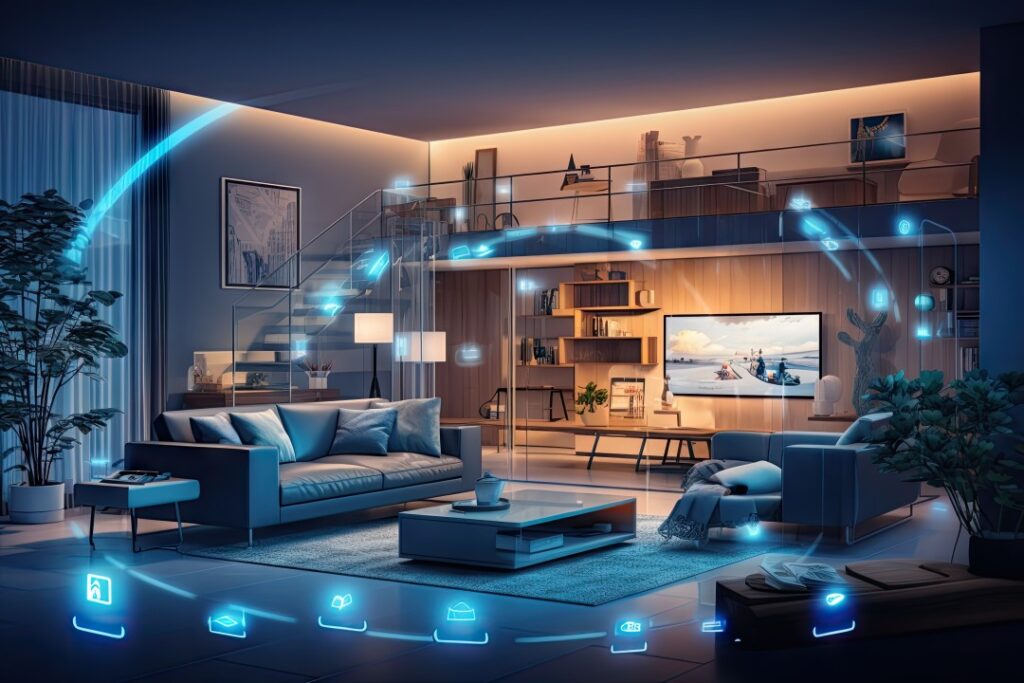
Another major advantage of LED lighting is its ability to integrate with advanced lighting controls. Dimmers, motion sensors, timers, and smart lighting systems work exceptionally well with LEDs. These controls allow lights to operate only when needed and at appropriate brightness levels. For example, motion sensors in corridors or restrooms ensure lights are not left on unnecessarily, while daylight sensors adjust brightness based on natural light availability. This level of control significantly cuts wasted energy and ensures lighting systems operate at peak efficiency throughout the day.
LED lighting also supports energy savings through its directional lighting capability. Traditional bulbs emit light in all directions, requiring reflectors or diffusers to direct illumination where it is needed. LEDs, on the other hand, emit light in a specific direction by design. This reduces wasted light and improves efficiency, especially in task-oriented spaces like kitchens, workstations, and retail displays. By focusing light exactly where it is required, fewer fixtures are needed to achieve the desired illumination, further reducing energy use and installation costs.
From a broader perspective, LED lighting contributes to sustainable energy consumption and environmental responsibility. Reduced electricity demand means lower greenhouse gas emissions from power generation. Many businesses and homeowners choose LEDs not only to save money but also to reduce their carbon footprint. Governments and utility companies worldwide encourage LED adoption through energy-efficiency programs and incentives because of its proven impact on reducing overall energy demand. These environmental benefits reinforce the long-term value of LED lighting beyond immediate cost savings.
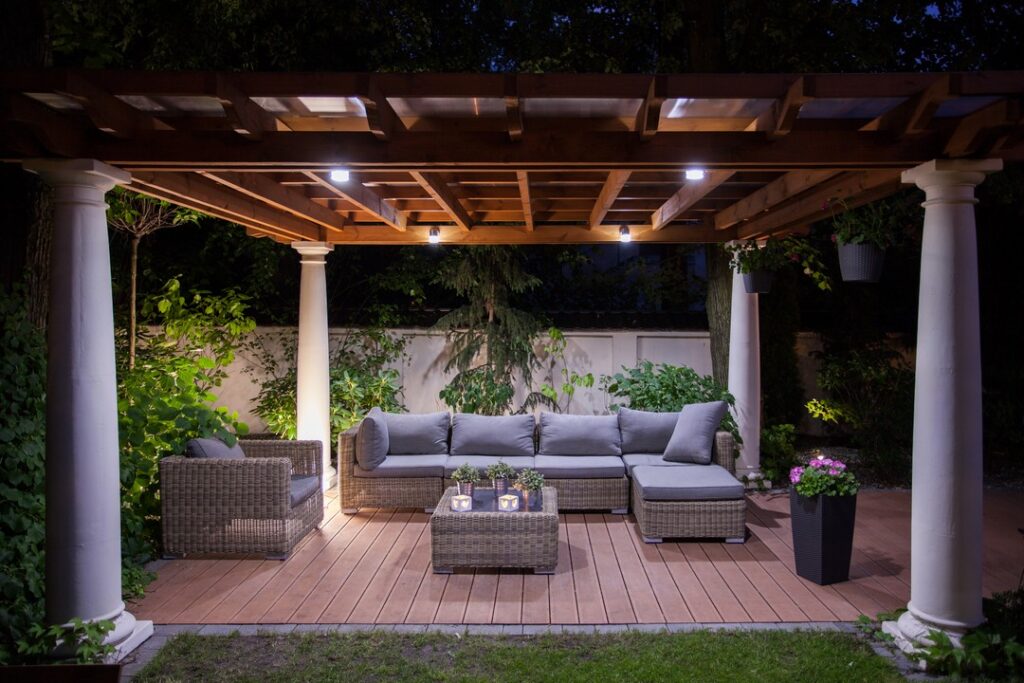
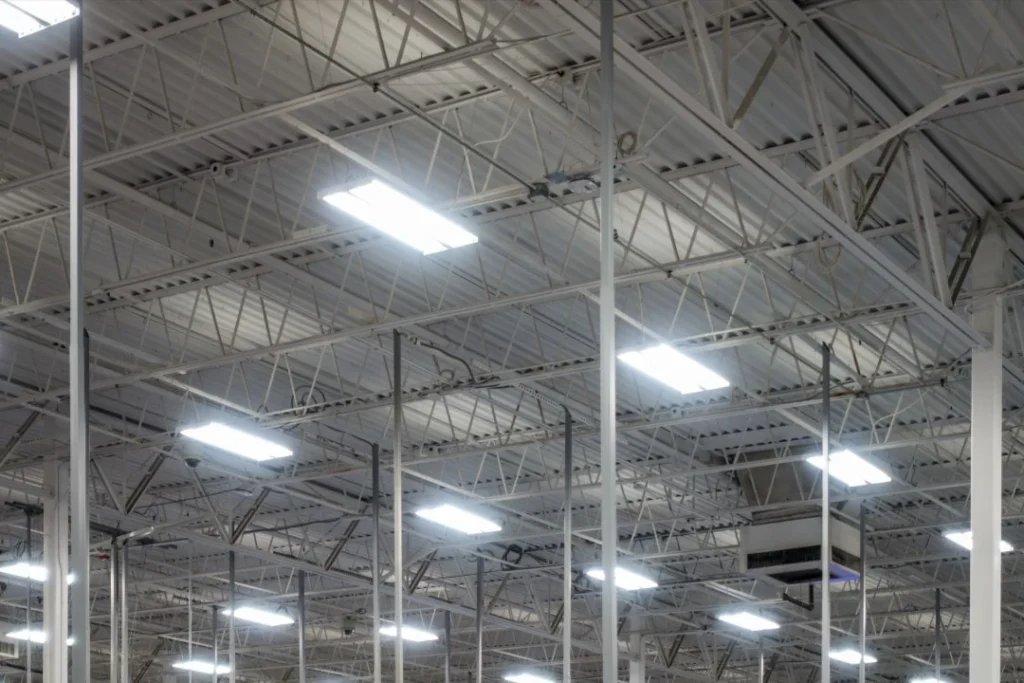
LED technology is also highly adaptable, making it suitable for nearly every lighting application. From residential living spaces and offices to outdoor areas and industrial facilities, LEDs perform efficiently across a wide range of environments. They operate well in both hot and cold temperatures, maintaining consistent performance without increased energy consumption. This reliability ensures that energy savings remain stable regardless of environmental conditions. As a result, LEDs are increasingly replacing traditional lighting in streetlights, parking areas, warehouses, and commercial buildings.
LED lighting The financial benefits of LED lighting become even more compelling when viewed over its full lifecycle. While the upfront cost of LED fixtures may be higher than traditional bulbs, the long-term savings far outweigh the initial investment. Lower energy bills, reduced maintenance, fewer replacements, and improved system efficiency combine to deliver strong returns over time. Many users recover their investment within a short period through energy savings alone, after which the reduced operating costs continue to provide financial benefits year after year.
As technology continues to evolve, LED lighting systems are becoming even more efficient and intelligent. Advancements in driver technology, optics, and smart connectivity are pushing energy savings to new levels. LEDs are now central to smart buildings and energy management systems, enabling real-time monitoring and optimization of energy use. These innovations ensure that LED lighting will remain a cornerstone of energy-efficient design and cost reduction strategies for years to come.
In conclusion, LED lighting saves energy and reduces electricity costs through a combination of efficient light production, long lifespan, low heat output, and advanced control compatibility. It addresses both immediate and long-term financial concerns while supporting sustainability and environmental responsibility. Whether used in homes, offices, or large-scale commercial projects, LED lighting represents a smart investment that delivers consistent savings, improved performance, and a more efficient use of energy in everyday life.
#LEDLighting #EnergyEfficientLighting #ElectricitySavings #LEDTechnology #SustainableLighting #SmartLighting #EnergySavingTips #EcoFriendlyLighting