LED lighting The shift toward LED lighting is no longer a trend driven by novelty but an inevitable transformation shaping modern life at every level. As societies confront rising energy demands, environmental responsibility, and evolving lifestyle expectations, lighting has moved from a background utility to a strategic element of daily living. LED technology has redefined how spaces are illuminated, experienced, and optimized. Its ability to deliver high-quality light with minimal energy use makes it uniquely suited for a world that values efficiency without compromise. This transition reflects a broader rethinking of how technology supports sustainable progress.
Energy consumption patterns have played a decisive role in accelerating the global adoption of LED lighting. Traditional bulbs waste a significant portion of energy as heat, while LEDs convert electricity directly into usable illumination. This efficiency translates into immediate reductions in electricity usage across homes, offices, factories, and cities. As energy prices rise and power grids face increased pressure, LEDs offer a reliable solution that lowers demand without sacrificing brightness or comfort. The widespread shift toward LEDs represents a collective move toward smarter energy use and long-term resilience.
The Inevitable Shift: How LED Lighting Is Redefining Modern Life.
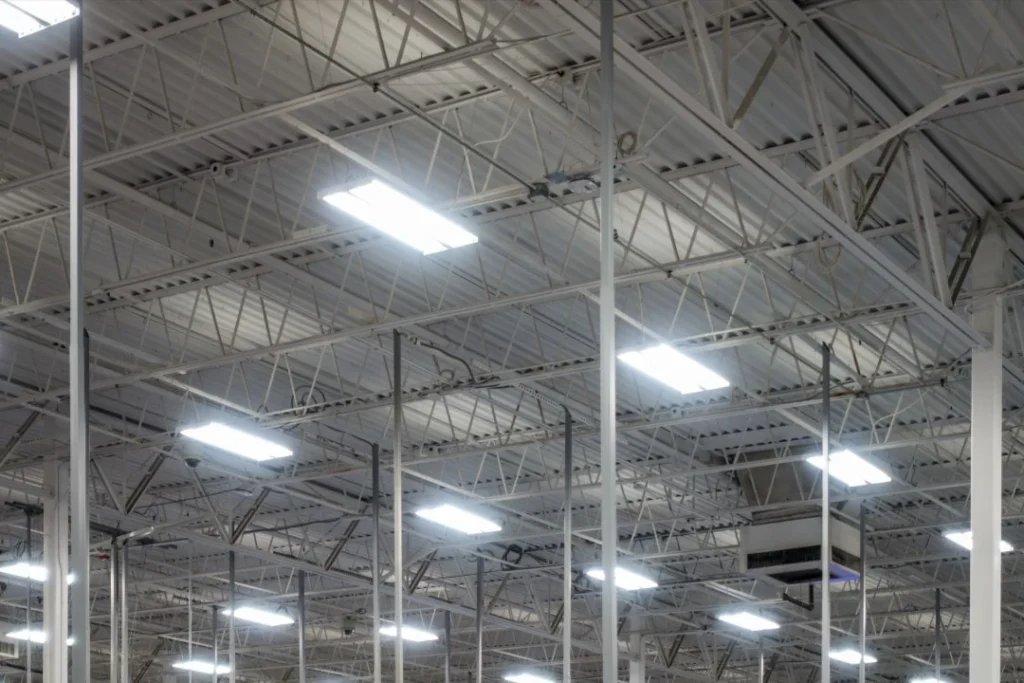
Economic considerations further reinforce why LED lighting is redefining modern life. The true cost of lighting extends beyond the purchase price to include energy bills, maintenance, and replacement cycles. LED lights last significantly longer than incandescent or fluorescent alternatives, reducing downtime and recurring expenses. For businesses, this means lower operational costs and improved budget predictability. For households, it results in fewer replacements and noticeable savings over time. The financial logic behind LEDs is clear, making their adoption not just sensible but unavoidable.
Environmental awareness has transformed consumer behavior, and lighting choices are increasingly viewed through a sustainability lens. LEDs support environmental goals by reducing carbon emissions through lower electricity consumption. Unlike some traditional lighting technologies, they contain no hazardous materials, simplifying disposal and recycling. This makes LEDs safer for both people and ecosystems. As governments implement stricter environmental regulations and organizations commit to carbon reduction targets, LED lighting becomes a foundational element of responsible, future-focused development.
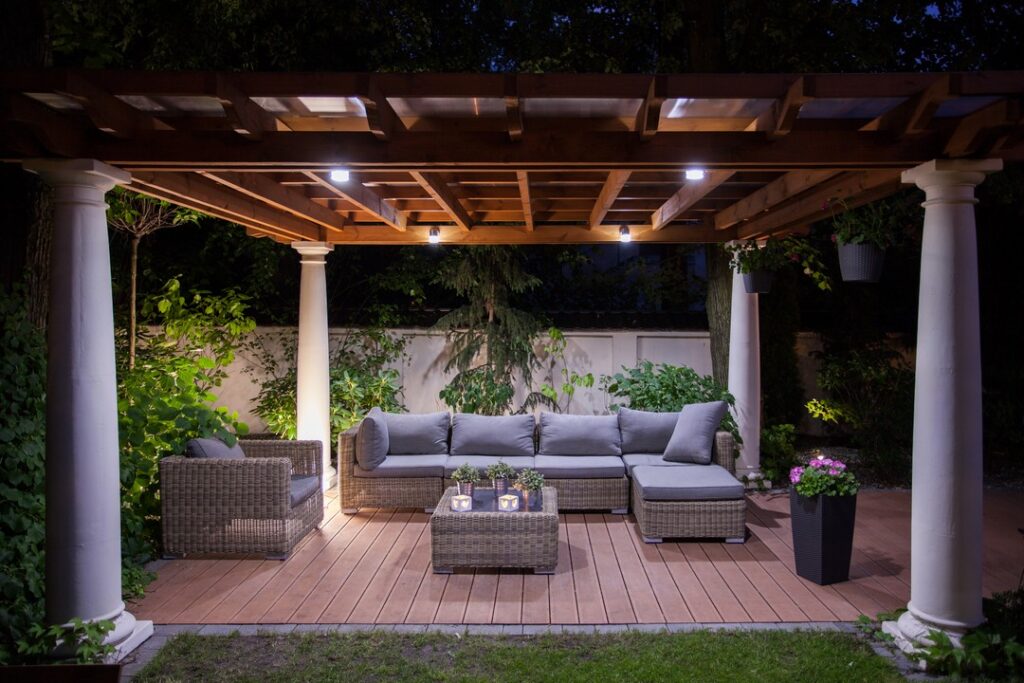
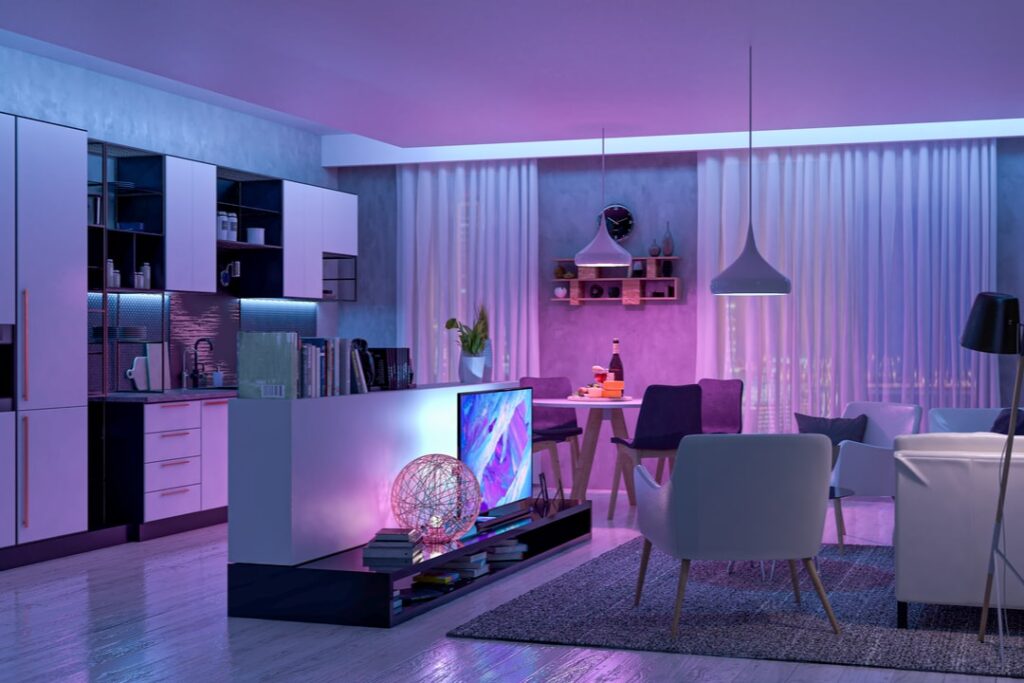
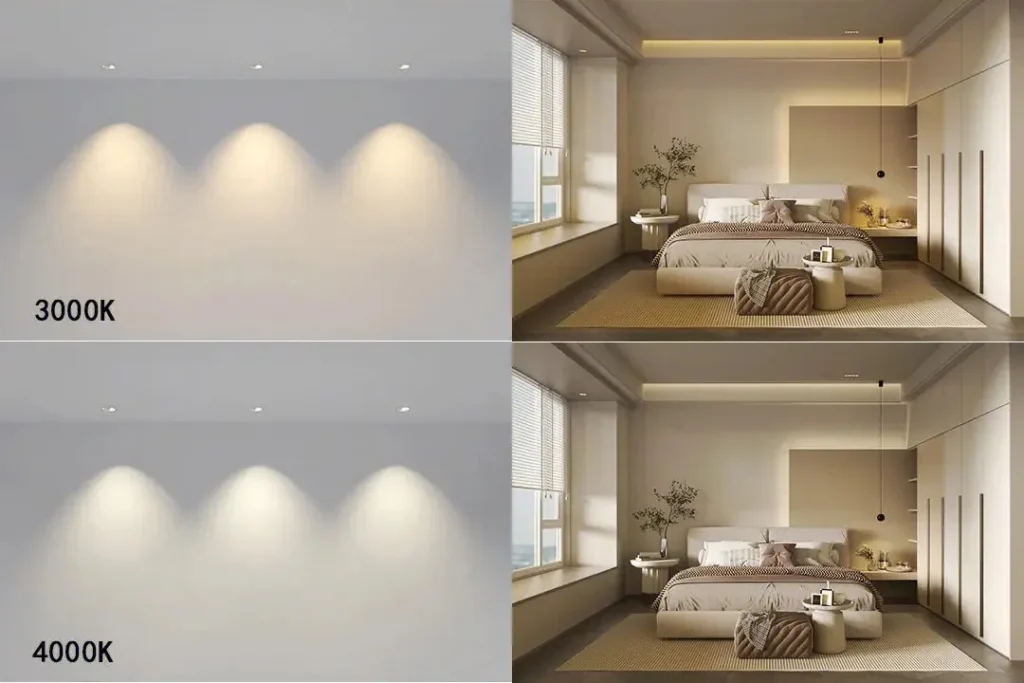
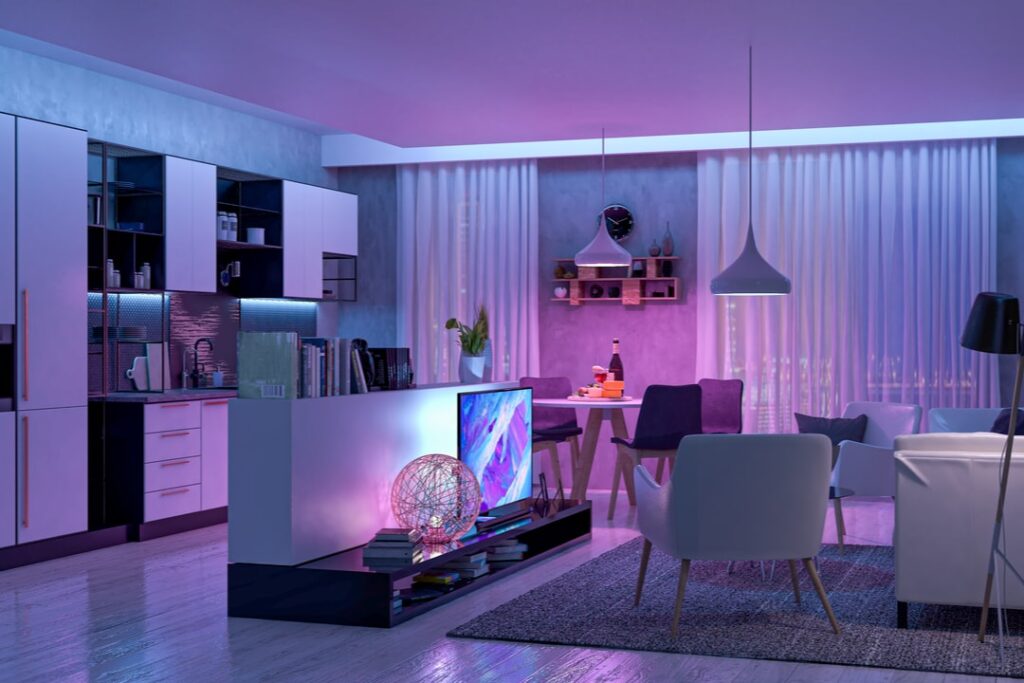
Modern lifestyles demand lighting that adapts to varied needs rather than imposing fixed conditions. LED technology offers unparalleled flexibility, allowing users to control brightness, color temperature, and timing. Lighting can shift from energizing daylight tones to warm evening hues with ease, enhancing comfort and functionality. This adaptability supports diverse activities within the same space, from work and study to relaxation and social interaction. LEDs empower individuals to shape their environments, reinforcing their role as an integral part of modern living.
Redefining Modern Life
LED lighting Health and well-being are increasingly influenced by the quality of light we experience each day. Scientific research has shown that lighting affects sleep patterns, mood, and productivity. LED systems support human-centric lighting by mimicking natural light cycles, helping regulate circadian rhythms. Properly tuned LED lighting can improve focus during working hours and encourage rest later in the day. As awareness grows around wellness-oriented design, LEDs are becoming essential tools for creating healthier homes, workplaces, and public environments.
Urban landscapes illustrate the transformative power of LED lighting on a large scale. Cities worldwide are replacing outdated streetlights with LED systems to improve visibility, safety, and energy efficiency. Well-lit streets reduce accidents and crime while lowering municipal electricity costs. Smart LED infrastructure enables adaptive lighting that responds to traffic flow and environmental conditions. These advancements improve urban life while reducing operational strain on public resources, positioning LEDs as a cornerstone of modern city planning.
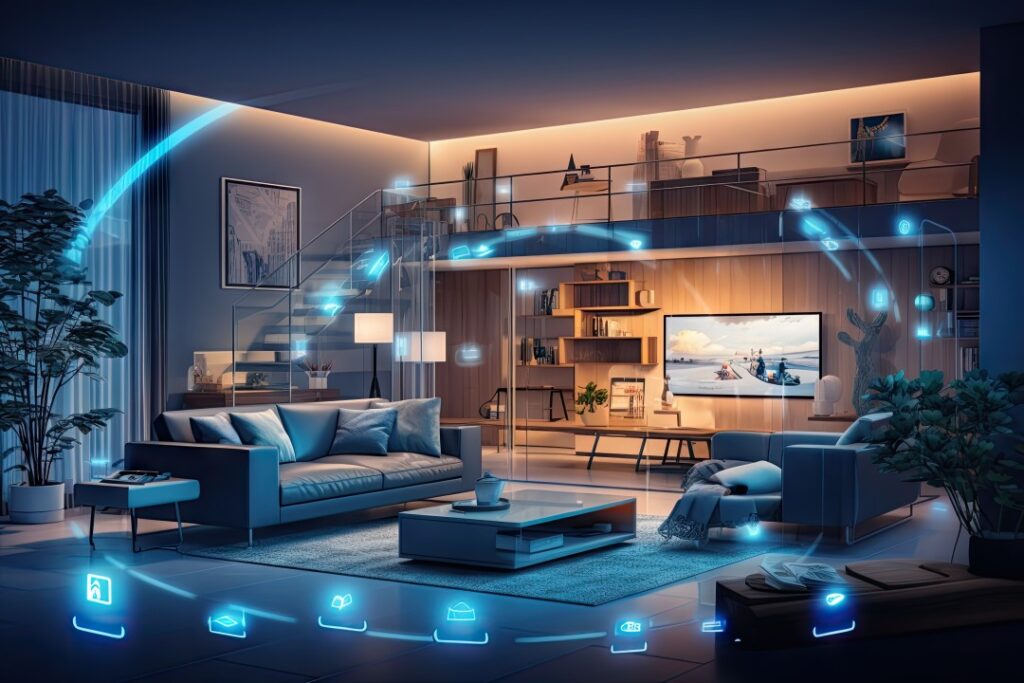
Technology integration has elevated LED lighting beyond basic illumination into the realm of intelligent systems. LEDs work seamlessly with sensors, automation platforms, and smart controls, enabling real-time monitoring and optimization. Lighting can respond automatically to occupancy, daylight levels, or usage patterns, maximizing efficiency without manual intervention. This integration supports data-driven energy management and aligns with the growing adoption of smart buildings and connected environments. LEDs are no longer standalone products but active participants in intelligent ecosystems.
LED lighting The rise of renewable energy sources further underscores the inevitability of LED lighting. Solar and battery-based systems benefit significantly from low-power lighting that maximizes available energy. LEDs enable reliable illumination in off-grid and energy-conscious applications, from rural installations to emergency systems. Their compatibility with renewable technologies strengthens energy independence and sustainability efforts. As societies invest more heavily in clean energy, LED lighting naturally becomes the preferred companion technology.
Ultimately, the shift to LED lighting reflects a deeper transformation in how modern life balances efficiency, responsibility, and quality. LEDs address economic pressures, environmental challenges, health considerations, and technological progress simultaneously. They illuminate not only spaces but also the path forward toward smarter, more sustainable living. As traditional lighting fades into obsolescence, LED technology stands as a defining feature of contemporary life, shaping environments that are efficient, adaptable, and aligned with the future.
#LEDLighting #ModernLiving #EnergyEfficientLighting #SmartLighting #SustainableFuture #GreenTechnology #UrbanInnovation #HumanCentricLighting #LightingDesign