LED lighting technology Modern businesses operate in an environment where efficiency, cost control, sustainability, and employee well-being are all deeply connected. Lighting, once considered a basic operational necessity, has evolved into a strategic asset, and new LED lighting technology sits at the center of this shift. Businesses today need lighting solutions that do more than illuminate spaces; they must support productivity, reduce operational costs, and adapt to changing needs. Advanced LED technology delivers on all these fronts, making it a powerful driver of improvement across offices, retail spaces, industrial facilities, and public-facing environments.
One of the most immediate ways new LED lighting technology improves businesses is through dramatic energy efficiency. LEDs consume significantly less electricity than traditional lighting while delivering equal or superior brightness. This reduction in energy usage leads to noticeable decreases in monthly utility bills, especially for businesses that operate long hours or require extensive lighting coverage. Over time, these savings free up capital that can be reinvested into growth, innovation, or workforce development. In competitive markets, reducing fixed operational expenses gives businesses a clear financial advantage.
LED lighting technology
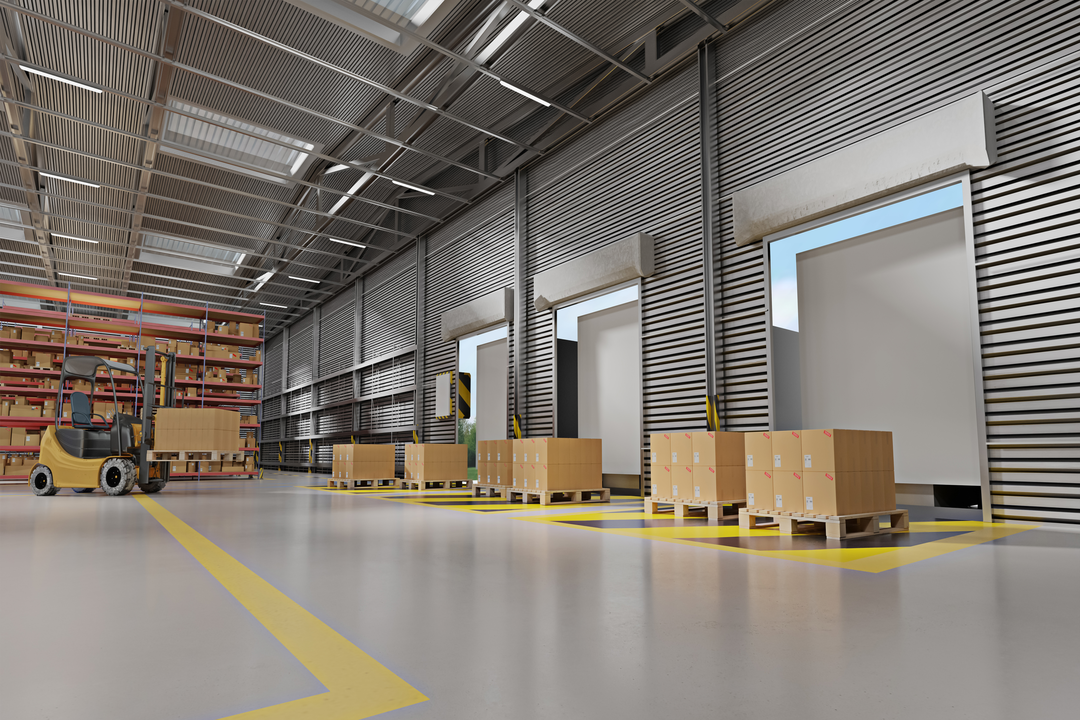
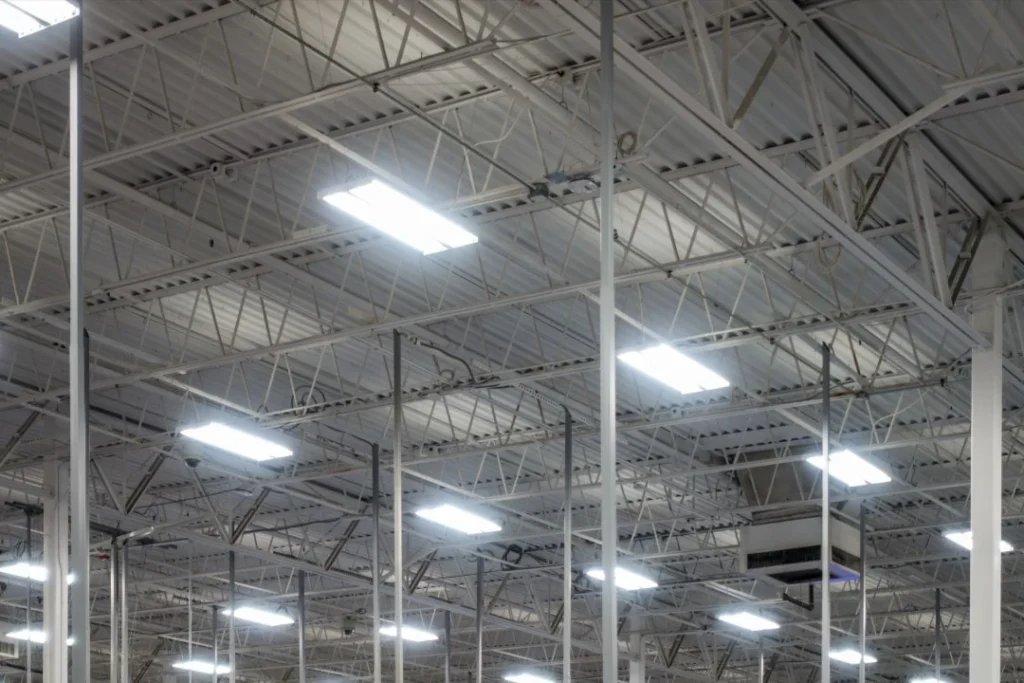
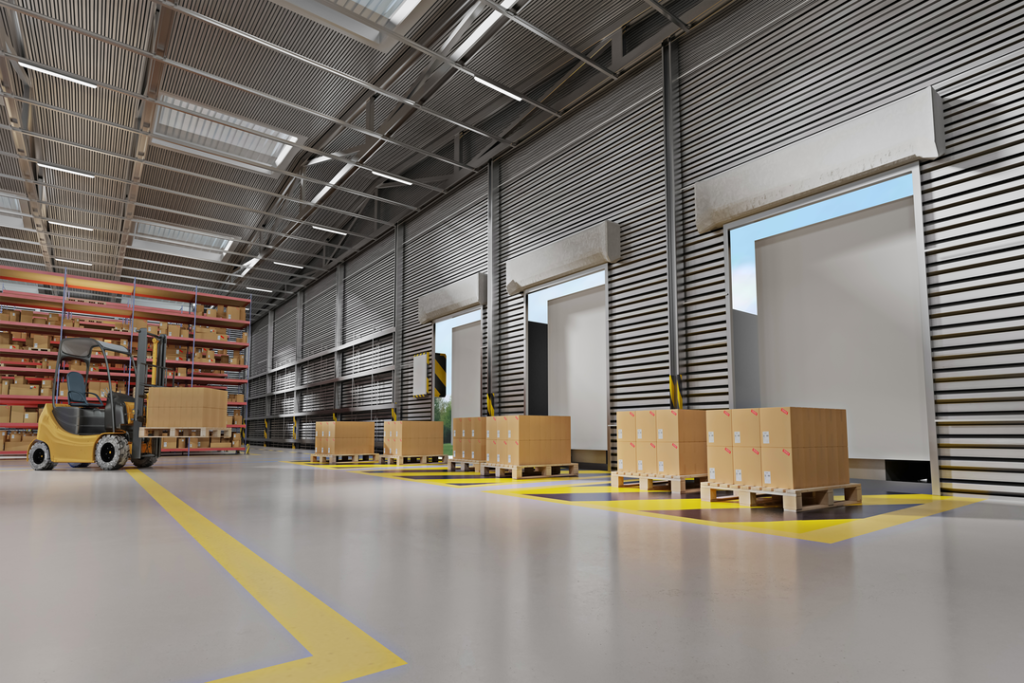
LED lighting technology Beyond energy savings, modern LED lighting technology offers exceptional longevity, which directly impacts maintenance and operational continuity. Traditional bulbs require frequent replacements, disrupting operations and increasing labor costs. LEDs are designed to last tens of thousands of hours, allowing businesses to operate for years without worrying about lighting failures. This reliability is particularly valuable in warehouses, manufacturing plants, and commercial buildings where downtime can affect productivity and safety. Fewer replacements also mean reduced inventory management and lower long-term maintenance budgets.
New LED lighting technology also improves workplace performance by enhancing lighting quality. High color rendering and consistent illumination reduce eye strain, improve visibility, and help employees maintain focus throughout the day. In office environments, better lighting supports concentration and reduces fatigue, leading to higher productivity and fewer errors. In industrial settings, improved visibility enhances precision and reduces accidents. Quality lighting creates a more comfortable and efficient work environment, directly influencing employee satisfaction and performance.
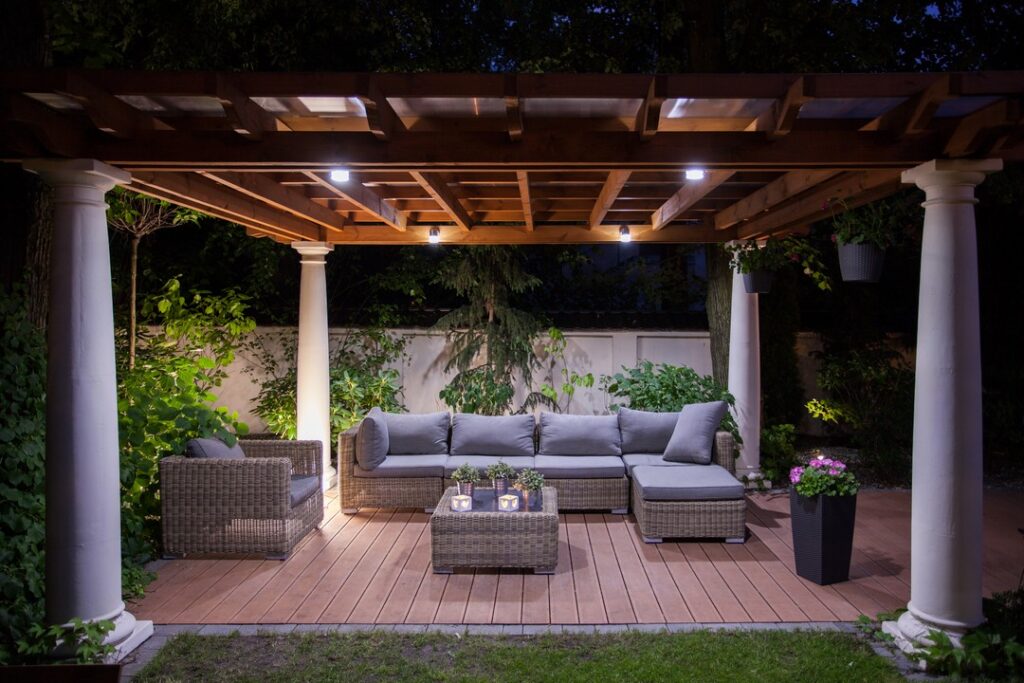
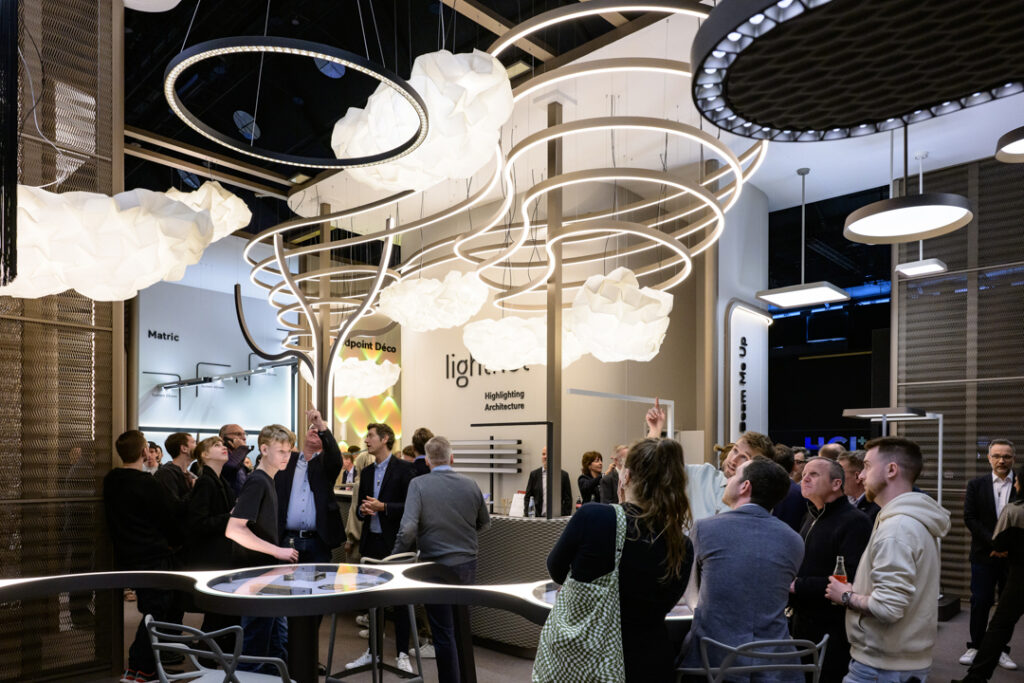
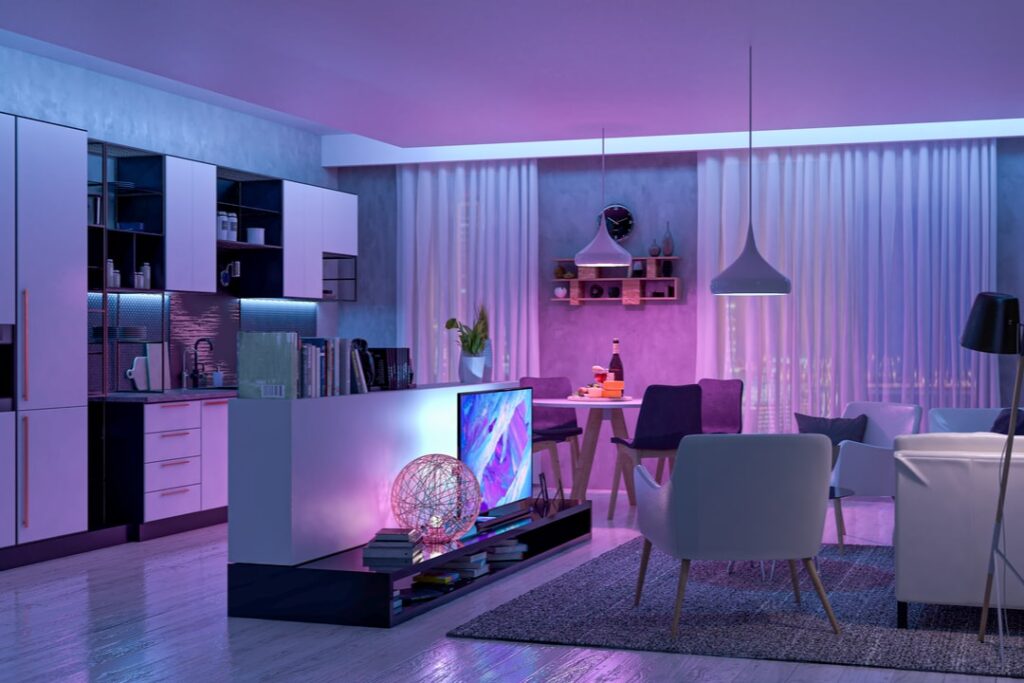
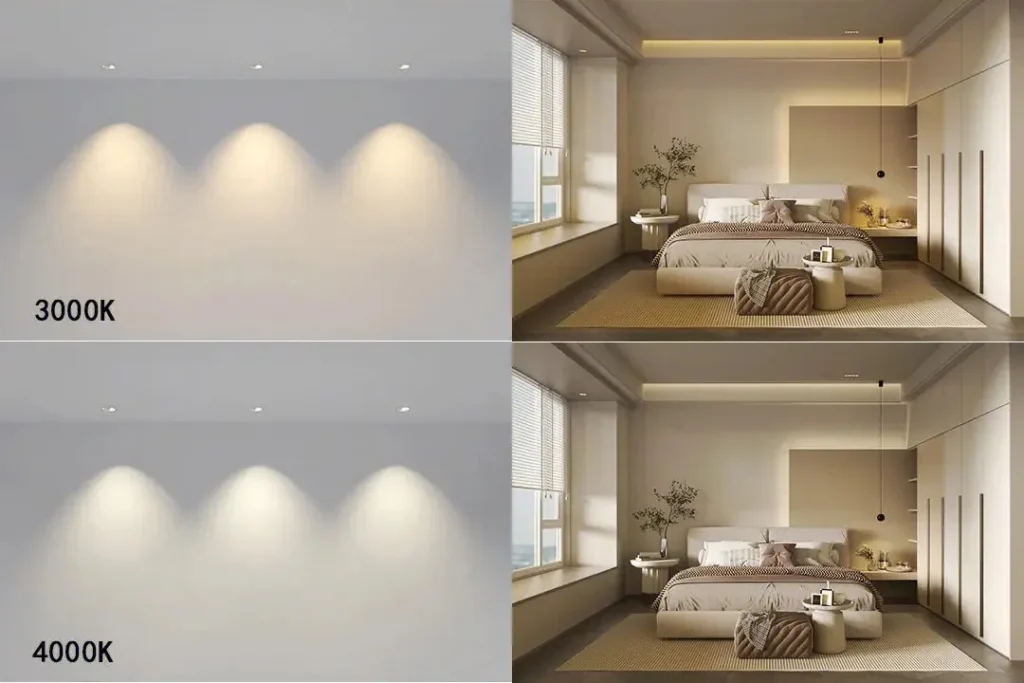
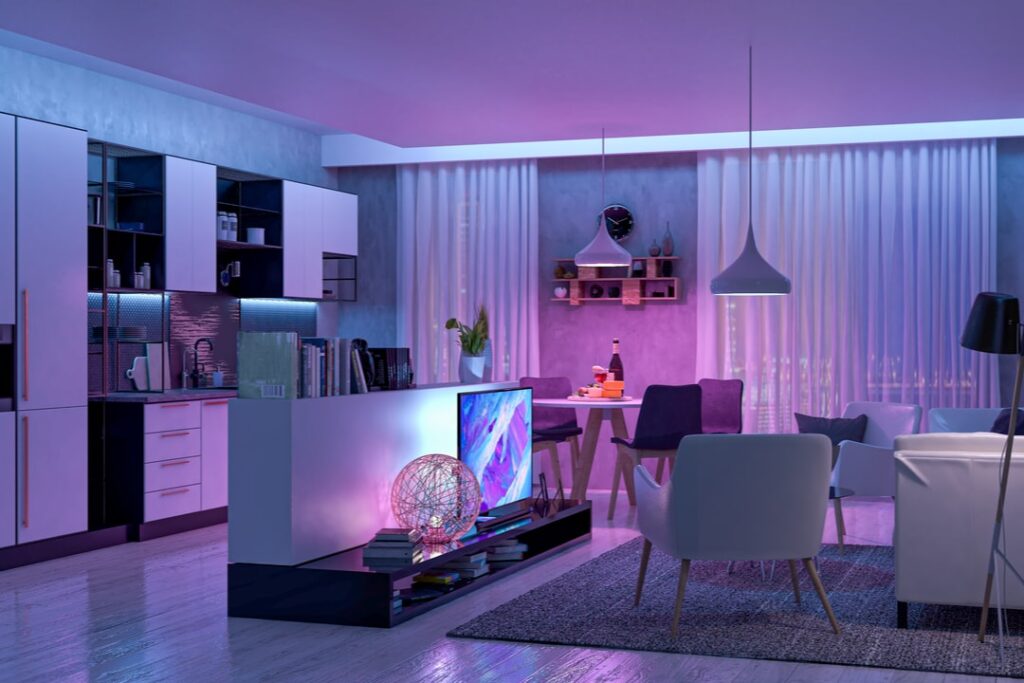
Retail and hospitality businesses benefit significantly from advancements in LED lighting design and control. LEDs offer superior color accuracy, making products appear more vibrant and appealing. This enhanced presentation influences customer perception and purchasing decisions, often increasing dwell time and sales. Adjustable lighting allows retailers to create dynamic displays and seasonal atmospheres without changing fixtures. In hospitality spaces, LED lighting helps set moods that enhance guest experience, reinforcing brand identity and encouraging repeat visits.
LED lighting technology improves businesses
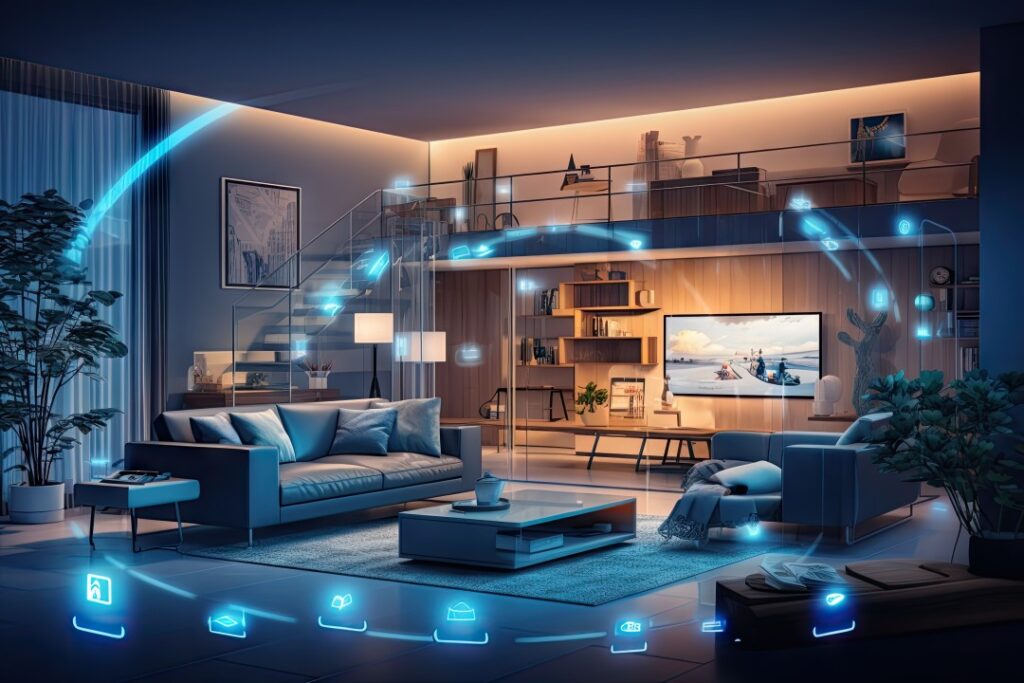
Smart LED lighting systems represent another major leap forward for businesses. Integrated sensors, dimming controls, and automation allow lighting to respond to occupancy, daylight levels, and time schedules. This ensures lights are only used when needed, eliminating waste and extending fixture lifespan. Smart systems also provide valuable data that helps facility managers optimize energy use and plan maintenance proactively. For businesses embracing digital transformation, smart LED lighting aligns seamlessly with broader automation and efficiency strategies.
LED lighting technology Sustainability has become a critical factor in business decision-making, and new LED lighting technology strongly supports environmental goals. LEDs consume less energy, produce fewer emissions, and contain no hazardous materials such as mercury. Their long lifespan reduces waste and disposal requirements. By adopting LED lighting, businesses demonstrate environmental responsibility, which strengthens brand reputation and appeals to eco-conscious customers, partners, and investors. In many regions, sustainable lighting also helps businesses comply with regulations and qualify for green building certifications.
The flexibility of modern LED lighting allows businesses to adapt spaces quickly as needs evolve. LEDs are available in a wide range of forms, from panels and linear fixtures to spotlights and architectural accents. Their compact size and directional output make them ideal for both functional and decorative applications. As businesses grow, relocate, or reconfigure workspaces, LED systems can be easily adjusted or expanded without major infrastructure changes. This scalability protects investments and supports long-term planning.
Health and safety improvements are another important benefit of new LED lighting technology. Uniform illumination reduces glare and shadows, improving visibility in work areas and minimizing the risk of accidents. In emergency situations, LED lights activate instantly and can integrate with backup power systems, ensuring continuous illumination. In environments such as healthcare facilities, laboratories, and factories, reliable lighting is critical to safe operations. LEDs help businesses create safer workplaces while meeting regulatory standards.
Cost predictability is increasingly important for businesses, and LED lighting contributes to financial stability by reducing uncertainty. Lower energy consumption, minimal maintenance, and long service life make lighting expenses more predictable over time. Unlike traditional systems with frequent failures and rising energy costs, LED lighting provides consistent performance and long-term savings. This predictability allows businesses to budget more accurately and focus on strategic growth rather than unexpected operational costs.
Ultimately, new LED lighting technology improves businesses by transforming lighting from a passive expense into a strategic advantage. It lowers operating costs, enhances productivity, supports sustainability, improves safety, and elevates customer and employee experiences. As businesses face increasing pressure to operate efficiently and responsibly, LED lighting offers a practical and future-ready solution. Investing in modern LED technology is not just an upgrade in illumination, but a smart decision that strengthens business performance and resilience in a rapidly evolving market.
#LEDLighting #BusinessEfficiency #EnergyEfficientLighting #SmartLighting #CommercialLighting #SustainableBusiness #LEDTechnology #OperationalSavings #WorkplaceInnovation#FutureOfBusiness