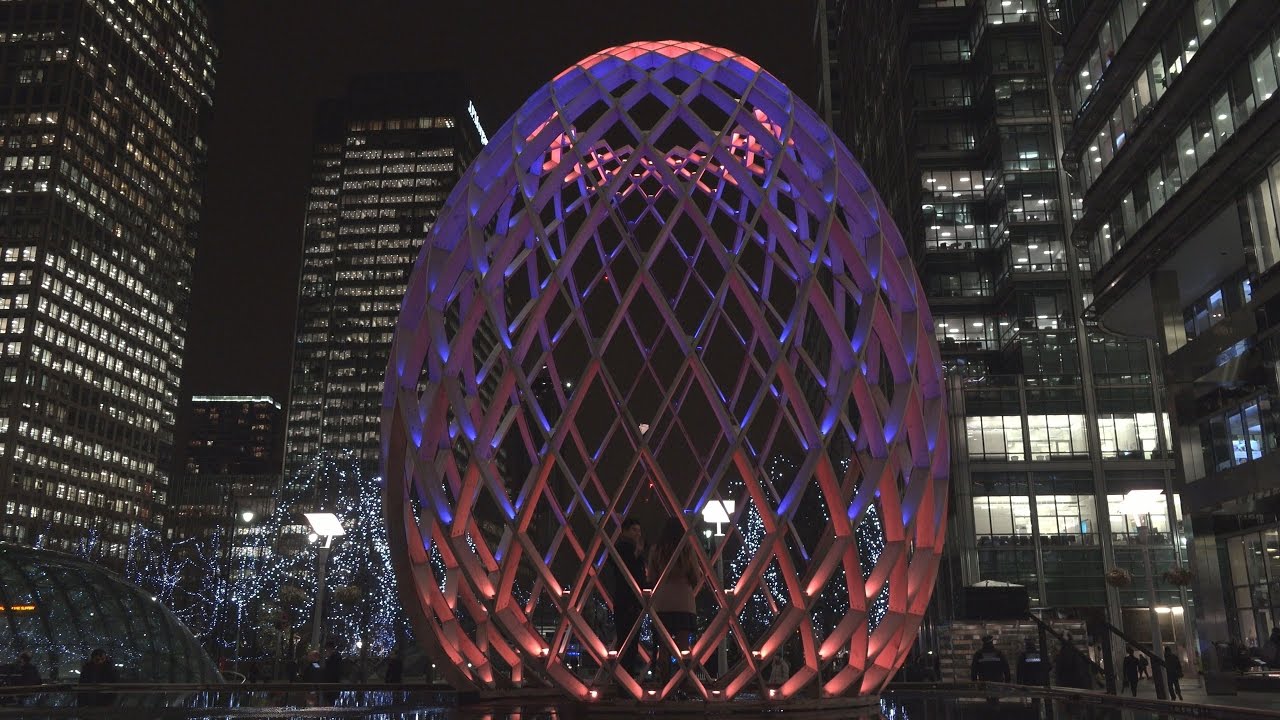
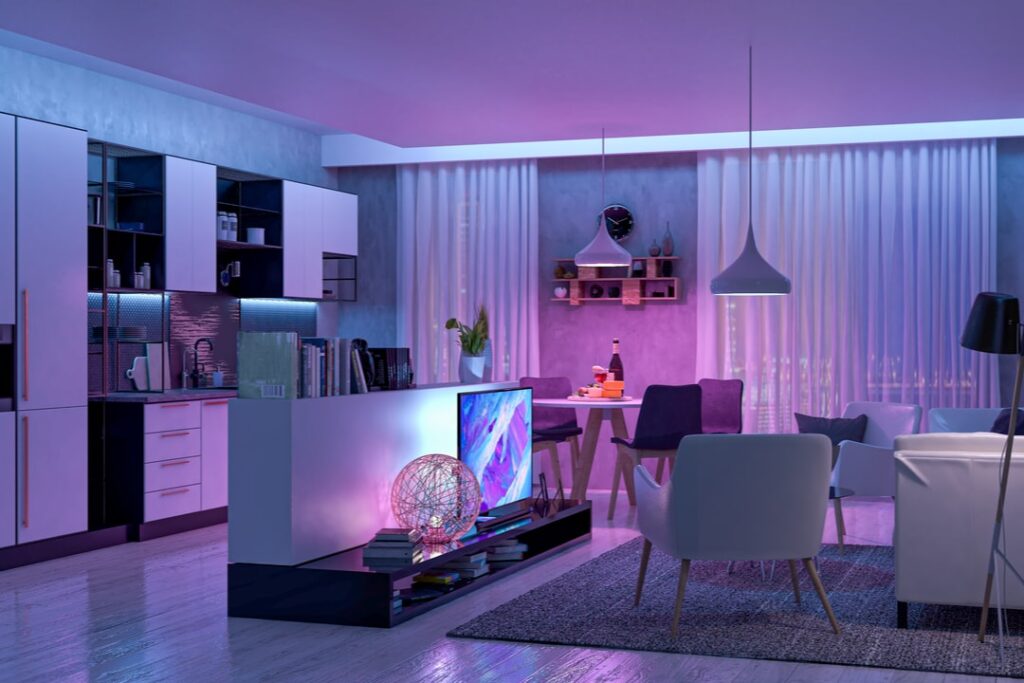
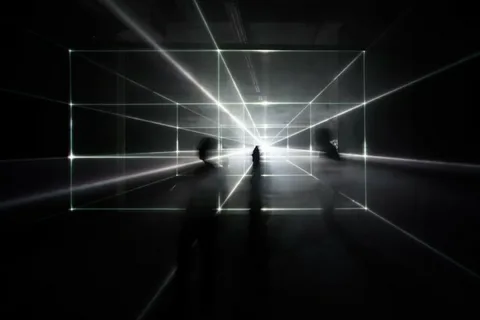
LED Technology During the Christmas and New Year season, one of the most striking visual changes across the world compared to earlier times is the abundance of decorative lighting. Streets, squares, homes, commercial buildings, and public spaces are illuminated with lights in countless shapes, colors, and patterns. This spectacle is especially noticeable in the northern hemisphere, where winter brings long hours of darkness. Decorative lighting has become more than a tradition; it is a cultural expression that brings warmth and joy during the coldest months. The dramatic increase in illuminated decorations would not have been possible without major advances in lighting technology.
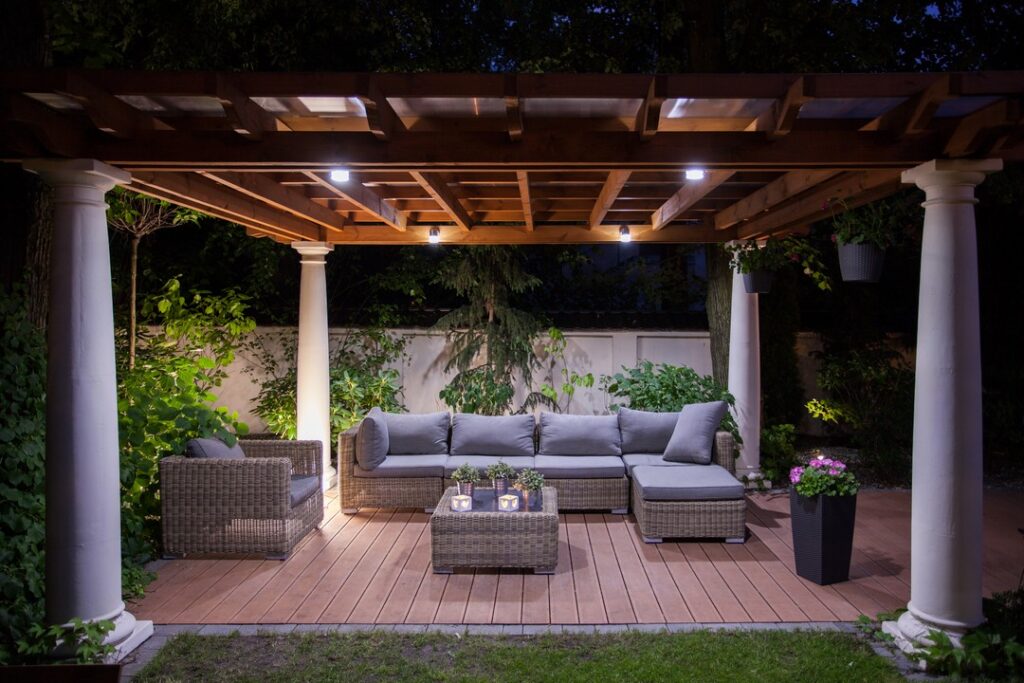
The primary reason behind this transformation is the invention and rapid development of LED lighting, or Light-Emitting Diodes. While decorative lighting existed long before LEDs, earlier technologies were limited by size, durability, and especially high energy consumption. LEDs introduced the possibility of extremely small light sources that could be arranged creatively without excessive power demand. Their compact form allows designers to integrate lights into places that were previously impractical. More importantly, the low energy consumption of LEDs made large-scale decorative lighting economically viable for households, cities, and businesses alike.
The Global Rise of LED Technology
LED Technology As global awareness of energy efficiency and sustainability has increased, LED technology has emerged as one of the most transformative lighting solutions of modern times. Originally developed nearly a century ago, LEDs began as basic electronic components used primarily as indicators. Over decades of research and refinement, they evolved into powerful and reliable light sources capable of replacing nearly every traditional lighting technology. Today, LEDs illuminate homes, cities, and infrastructure worldwide, representing a shift toward smarter and more responsible energy use.
The scientific journey of LED lighting began with the discovery of electroluminescence in the early 1900s, when researchers observed that certain materials emit light when an electric current passes through them. While the phenomenon was intriguing, practical applications remained limited for many years due to technological constraints. It was not until the 1960s that the first practical LEDs appeared, emitting red light and serving primarily as indicator lamps in electronic devices. These early LEDs were inefficient and dim by modern standards, but they laid the foundation for future innovation.
Technological progress accelerated rapidly in the following decades, leading to improvements in brightness, efficiency, and color range. A pivotal moment came in the 1990s with the invention of high-brightness blue LEDs. This breakthrough made it possible to produce white light by combining blue LEDs with phosphor coatings. The significance of this achievement cannot be overstated, as it opened the door for LEDs to be used in general illumination. The impact of this innovation was recognized globally when its developers were awarded the Nobel Prize in Physics.
LED Technology
LED Technology One of the most compelling advantages of LED lighting is its remarkable energy efficiency. LEDs typically consume up to 85 percent less electricity than traditional incandescent bulbs while delivering the same or greater light output. This dramatic reduction in power consumption has made LEDs the preferred choice for both residential and commercial lighting. Lower energy use not only reduces electricity bills but also decreases demand on power grids, contributing to broader energy conservation efforts. These benefits are especially important as global energy consumption continues to rise.
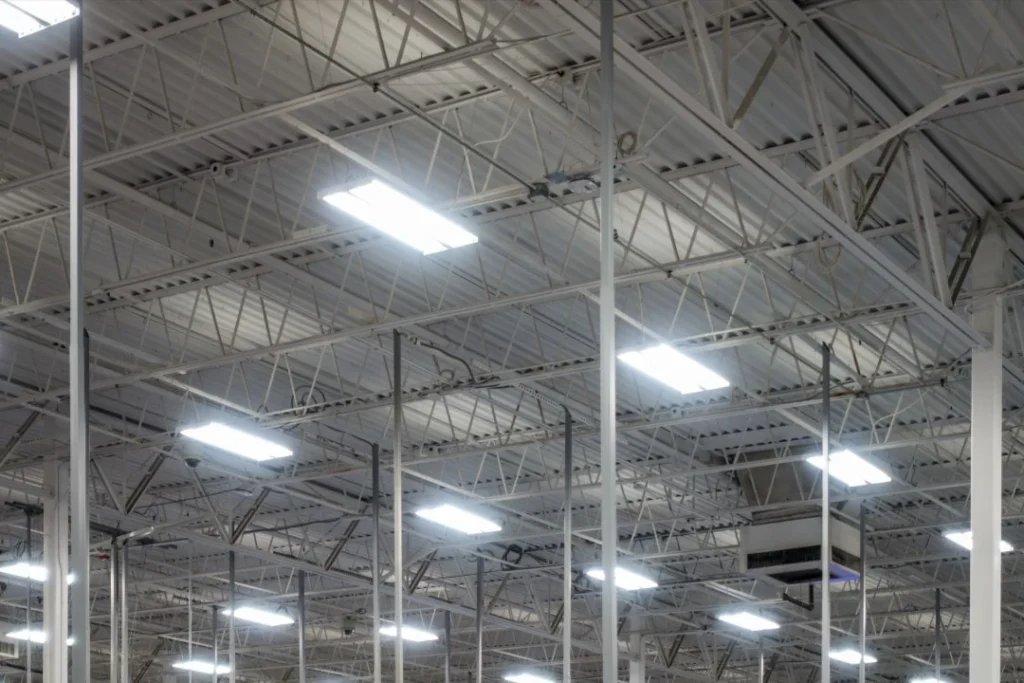
Beyond decorative and household lighting, LEDs have become essential in a wide range of applications. Street lighting has shifted toward LEDs because of their efficiency, durability, and directional light output, which improves visibility while reducing light pollution. Automotive manufacturers rely on LED headlights for their brightness, responsiveness, and long service life. Electronic displays, traffic signals, and signage increasingly depend on LED technology for reliability and clarity. These diverse applications demonstrate how deeply integrated LEDs have become in modern infrastructure.
LED technology has also found innovative uses in agriculture, particularly in controlled-environment farming and greenhouses. Unlike traditional lighting, LEDs can be engineered to emit specific light spectrums that optimize plant growth. By tailoring wavelengths to different stages of plant development, growers can increase yields while reducing energy consumption. This capability supports sustainable food production, especially in regions with limited natural sunlight. The flexibility of LED lighting continues to unlock new possibilities across industries beyond conventional illumination.
From Festive Lights to Smart Cities: The Global Rise of LED Technology.
LED Technology Another factor driving global LED adoption is their exceptionally long lifespan. LED bulbs can operate for tens of thousands of hours, far exceeding the lifespan of incandescent or fluorescent alternatives. This durability reduces the need for frequent replacements, lowering maintenance costs and minimizing waste. As production techniques have improved and economies of scale have increased, LED prices have steadily declined. The combination of long life, affordability, and efficiency has made LEDs accessible to a broader range of consumers and organizations worldwide.
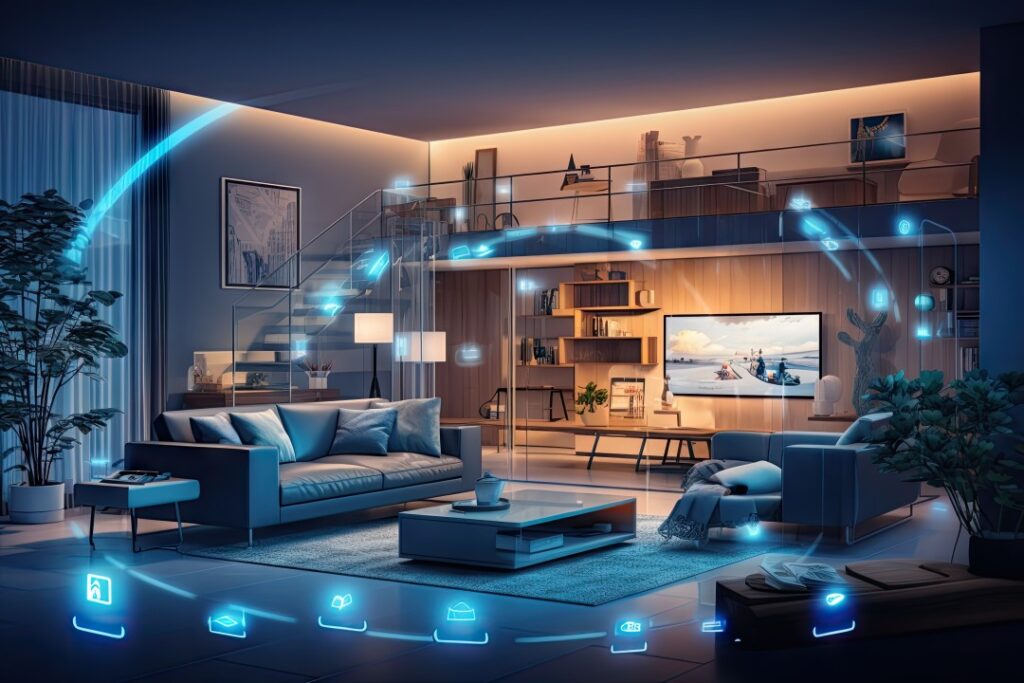
Looking ahead, the future of LED technology remains exceptionally promising. Ongoing research into advanced materials and designs continues to push efficiency and performance to new levels. Smart lighting systems are integrating LEDs with sensors, controls, and connectivity, enabling adaptive illumination that responds to occupancy, daylight, and user preferences. These systems improve comfort while further reducing energy use. The convergence of LEDs with digital technology is shaping the next generation of intelligent lighting solutions.
Researchers are also exploring emerging applications that extend beyond traditional lighting. In the medical field, specialized LED wavelengths are being studied for therapeutic treatments and diagnostic tools. Another exciting development is visible light communication, or VLC, which uses LED light to transmit data wirelessly. This technology has the potential to complement existing communication systems while offering enhanced security and speed. Such innovations highlight the versatility of LED technology beyond illumination alone.
LED Technology As sustainability becomes increasingly central to global development strategies, LED lighting is positioned to play a critical role in building a greener future. Reduced energy consumption, lower carbon emissions, and long product lifespans align closely with environmental goals. From festive decorations that brighten winter nights to advanced systems that support smart cities, LED lighting continues to reshape how the world uses light. Its journey from a simple electronic indicator to a cornerstone of modern infrastructure reflects both human ingenuity and the growing commitment to sustainable progress.
#LEDLighting #DecorativeLighting #EnergyEfficiency #SustainableTechnology #SmartLighting #GreenInnovation #HolidayLighting #FutureOfLighting #LowEnergyLighting