In today’s ever-evolving world, the demand for energy-efficient and sustainable lighting solutions has reached an all-time high. Rising electricity costs, increasing environmental awareness, and stricter energy regulations have encouraged both businesses and individuals to rethink how they illuminate their spaces. Lighting is no longer just about visibility; it is about efficiency, responsibility, and long-term value. As sustainability becomes a global priority, LED lighting has emerged as a transformative solution that aligns economic benefits with environmental stewardship. At Beyond LED Technology, specialists continuously explore innovations that demonstrate how LED lighting is redefining modern illumination while contributing to a greener and more energy-conscious future.
LED lighting has gained widespread recognition for its exceptional energy efficiency, making it one of the most impactful advancements in lighting technology. Unlike traditional incandescent or fluorescent lighting, LED lights consume significantly less electricity while producing the same, or even superior, brightness. This efficiency directly translates into lower energy consumption, allowing businesses to drastically reduce their monthly electricity expenses. For large commercial spaces that operate lighting systems for extended hours, the savings can be substantial. At the same time, reduced power consumption lowers carbon emissions, enabling organizations and homeowners to meet sustainability goals without compromising lighting quality or performance.
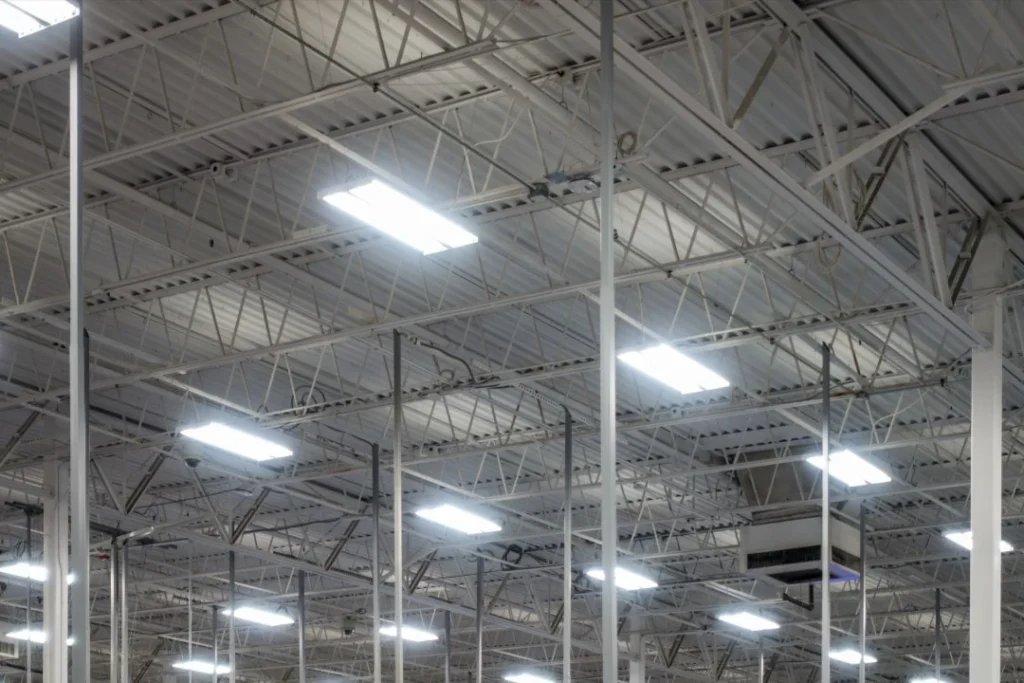
As energy prices continue to rise globally, the economic advantages of LED lighting become even more pronounced. Businesses operating warehouses, offices, retail stores, or manufacturing facilities often keep lights running for long periods, sometimes around the clock. Switching to LED technology allows these organizations to maintain consistent illumination while using a fraction of the energy required by traditional bulbs. Over time, the cumulative energy savings can be redirected toward growth, innovation, or operational improvements. This balance between efficiency and performance makes LED lighting a strategic investment rather than a simple utility upgrade.
Another defining advantage of LED lighting lies in its extraordinary lifespan, which far surpasses that of conventional lighting solutions. Traditional incandescent bulbs typically last only a few thousand hours, while fluorescent bulbs require frequent replacements as well. LED lights, on the other hand, can last up to 25 times longer, often operating for tens of thousands of hours before replacement is necessary. This extended lifespan significantly reduces maintenance requirements, especially in large facilities where replacing bulbs can be time-consuming and costly. Long-lasting illumination ensures uninterrupted lighting while minimizing disruptions to daily operations.
The durability of LED lighting also plays a crucial role in reducing waste and resource consumption. Fewer replacements mean fewer discarded bulbs ending up in landfills, contributing to a more sustainable lifecycle. Maintenance teams spend less time and labor replacing bulbs, which translates into additional cost savings over time. For businesses managing multiple locations or high-ceiling installations, such as industrial plants or commercial complexes, this reliability becomes invaluable. The long lifespan of LED lights ensures consistent performance while lowering the total cost of ownership across years of operation.
Environmental sustainability is another major reason LED lighting continues to gain momentum across industries. Unlike fluorescent lighting, which contains hazardous materials such as mercury, LED lights are free from toxic substances. This makes them safer to manufacture, install, and dispose of, reducing environmental and health risks. Additionally, LEDs produce significantly less heat than traditional lighting sources, minimizing energy waste and lowering greenhouse gas emissions. Reduced heat output also contributes to improved indoor comfort, particularly in enclosed spaces where excess heat can increase cooling demands.
By generating minimal heat, LED lights indirectly support energy efficiency beyond illumination alone. Traditional lighting systems often raise indoor temperatures, forcing air conditioning systems to work harder and consume additional energy. LEDs help mitigate this issue by maintaining cooler operating temperatures, thereby reducing strain on HVAC systems. This creates a ripple effect of energy savings that benefits both residential and commercial environments. The combination of non-toxic materials, reduced heat emission, and lower energy consumption positions LED lighting as a cornerstone of environmentally responsible design.
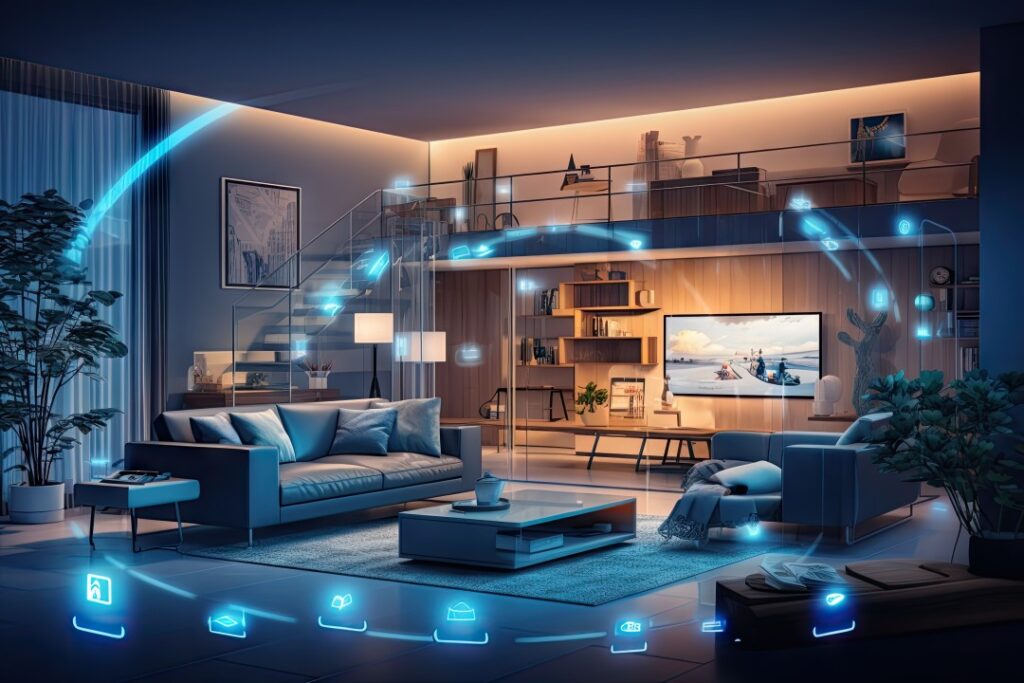
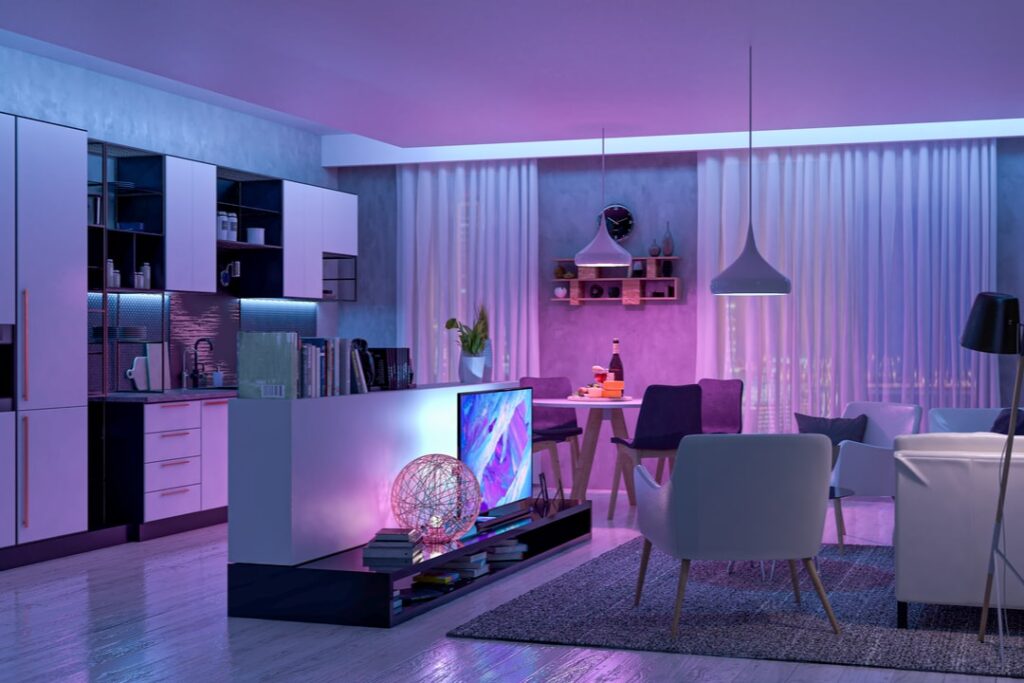
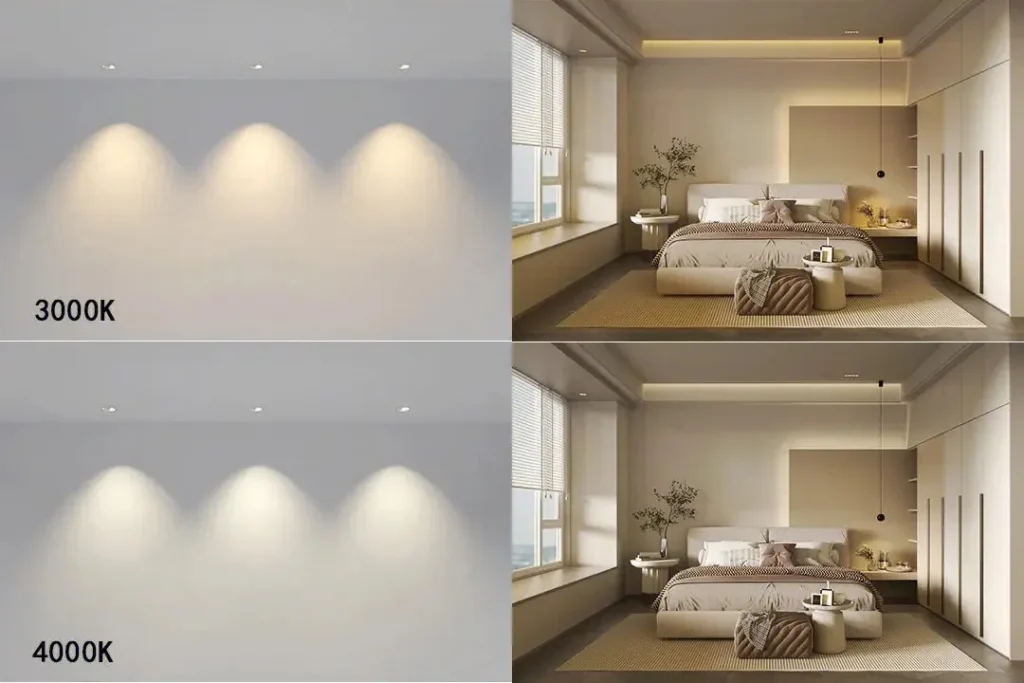
In addition to efficiency and sustainability, LED lighting delivers enhanced performance that surpasses older lighting technologies. Modern LED systems offer excellent color rendering, ensuring that colors appear more natural and vibrant under artificial light. This is particularly important in environments such as retail stores, offices, hospitals, and educational institutions where visual clarity and comfort are essential. LED lighting also provides flexibility through customizable features like adjustable color temperatures, dimming capabilities, and smart lighting controls, allowing users to tailor illumination to specific tasks and moods.
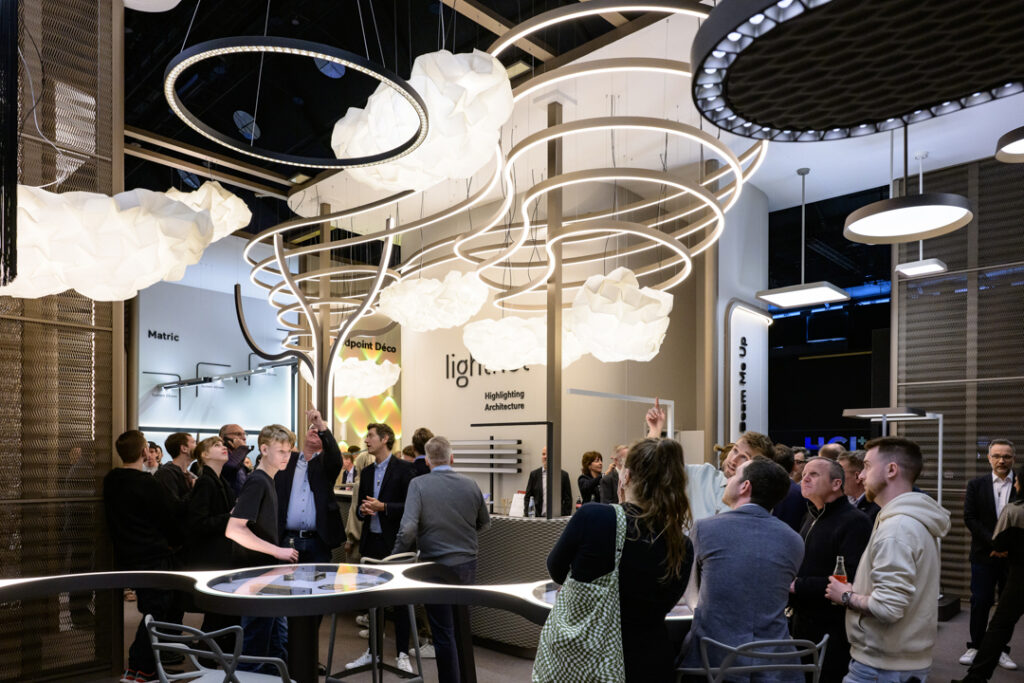
The adaptability of LED lighting makes it suitable for a wide range of applications, from task lighting in professional workspaces to accent lighting in hospitality and retail environments. LEDs can be designed to focus light precisely where it is needed, reducing glare and enhancing productivity. In creative and architectural settings, LED lighting enables designers to experiment with lighting effects that were previously difficult or inefficient to achieve. This level of control and consistency enhances user experience while maintaining energy efficiency, making LED technology both functional and aesthetically versatile.
While the initial cost of LED lighting may be higher than traditional lighting options, the long-term financial benefits far outweigh the upfront investment. Reduced energy consumption leads to lower utility bills, while extended lifespan minimizes replacement and maintenance expenses. Over time, these savings accumulate significantly, often allowing LED systems to pay for themselves within a few years. For businesses focused on long-term planning and sustainability, LED lighting represents a smart financial decision that delivers consistent returns throughout its operational life.
Beyond LED Technology is dedicated to providing advanced LED lighting solutions that integrate cutting-edge innovation with superior performance and environmental responsibility. By offering a comprehensive range of LED products and expert guidance, the company empowers businesses and individuals to make informed lighting choices that align with sustainability goals. Embracing LED lighting is not just about upgrading illumination; it is about investing in a brighter, cleaner, and more cost-effective future. Together, by adopting LED technology, we can reduce environmental impact while lighting the way toward a more sustainable tomorrow.
#LEDLighting #EnergyEfficientLighting #SustainableTechnology #GreenLighting #LEDInnovation #EcoFriendlySolutions
#SmartLighting #LightingDesign #EnergySavings#BeyondLEDTechnology