Lighting the future is no longer a distant concept but a present necessity, and LED technology stands at the center of this transformation. As global energy consumption rises and environmental pressures intensify, lighting systems are being re-evaluated for their efficiency, impact, and adaptability. Traditional lighting methods were designed for a different era, one less concerned with sustainability and long-term cost. LEDs answer modern demands by offering high-performance illumination while dramatically reducing energy use, positioning them not as an upgrade, but as an essential standard for homes, businesses, and cities alike.
Lighting the Future Energy efficiency is one of the strongest reasons LED technology is no longer optional. Lighting accounts for a significant portion of electricity consumption worldwide, and inefficient systems quietly drain resources every hour they operate. LED lights convert most of their energy into visible light rather than wasted heat, delivering brighter output with far lower power requirements. This efficiency reduces strain on power grids and lowers electricity bills instantly. In a world facing rising energy costs and supply challenges, LEDs provide a practical, immediate solution that benefits both individuals and large-scale infrastructure.
Lighting the Future
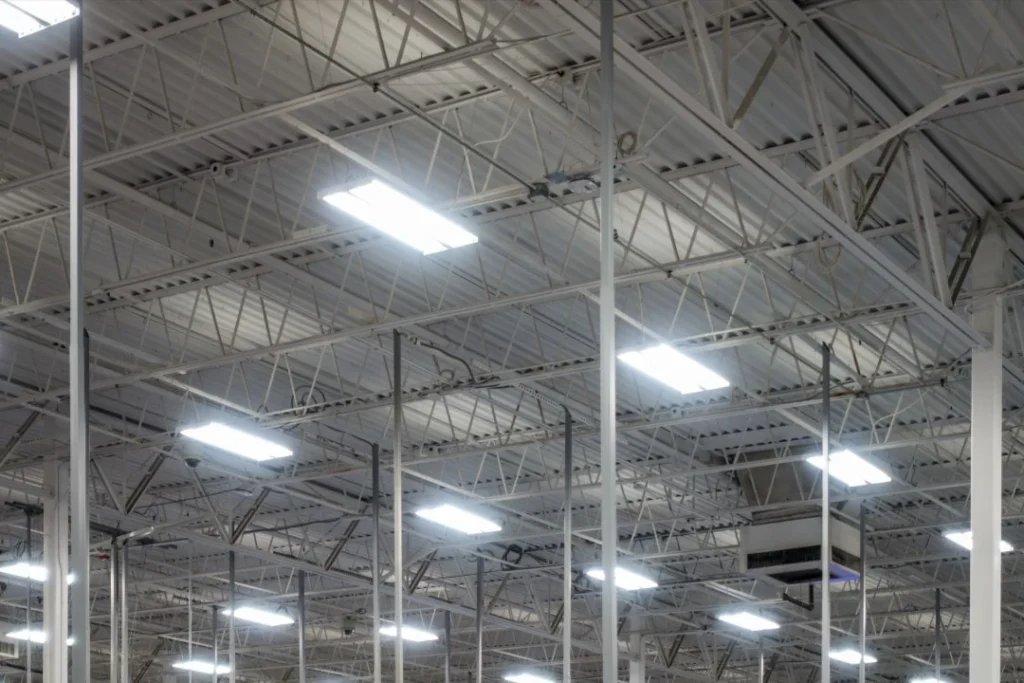
Economic realities have also accelerated the shift toward LED lighting. Rising operational costs push households and businesses to seek long-term savings rather than short-term fixes. While LEDs may have a higher initial purchase price, their extended lifespan and minimal maintenance requirements generate substantial financial benefits over time. Fewer replacements mean reduced labor costs and less disruption, especially in commercial and industrial environments. When evaluated across years of use, LED lighting consistently proves to be the most cost-effective choice available today.
Lighting the Future Environmental responsibility has moved from a niche concern to a global priority, and lighting plays a critical role in this shift. Traditional bulbs consume excessive electricity and often contain hazardous materials that complicate disposal. LED lights eliminate many of these issues by operating efficiently and avoiding toxic components like mercury. Lower energy consumption directly reduces carbon emissions, helping meet sustainability goals. As governments and organizations commit to greener practices, LED technology becomes a cornerstone in reducing environmental impact without compromising functionality.
Lighting the Future: Why LED Technology Is No Longer Optional.
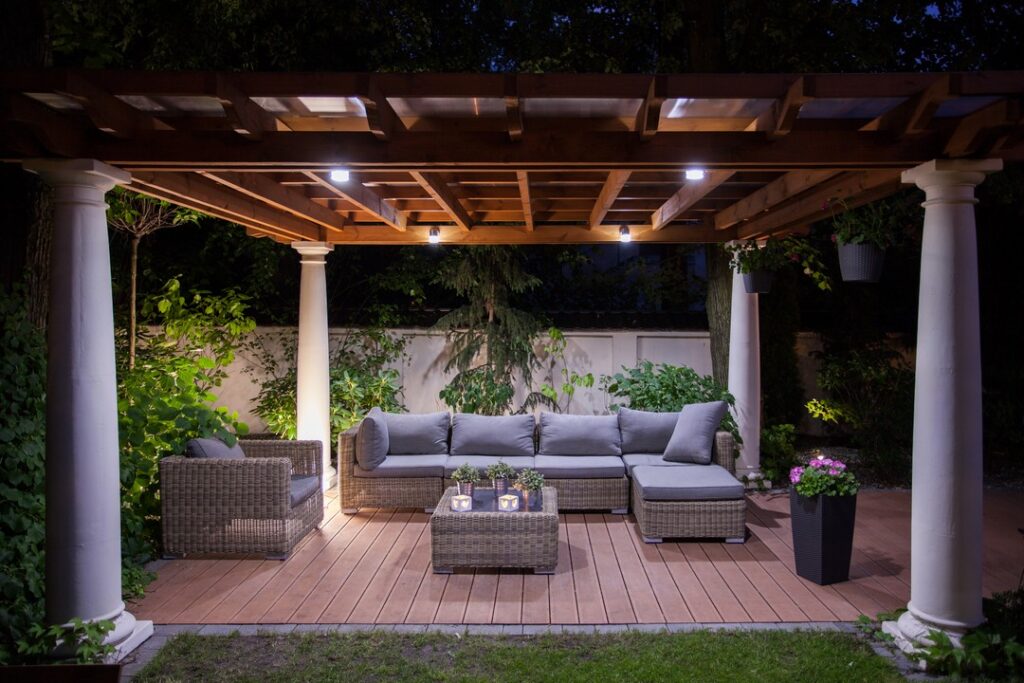
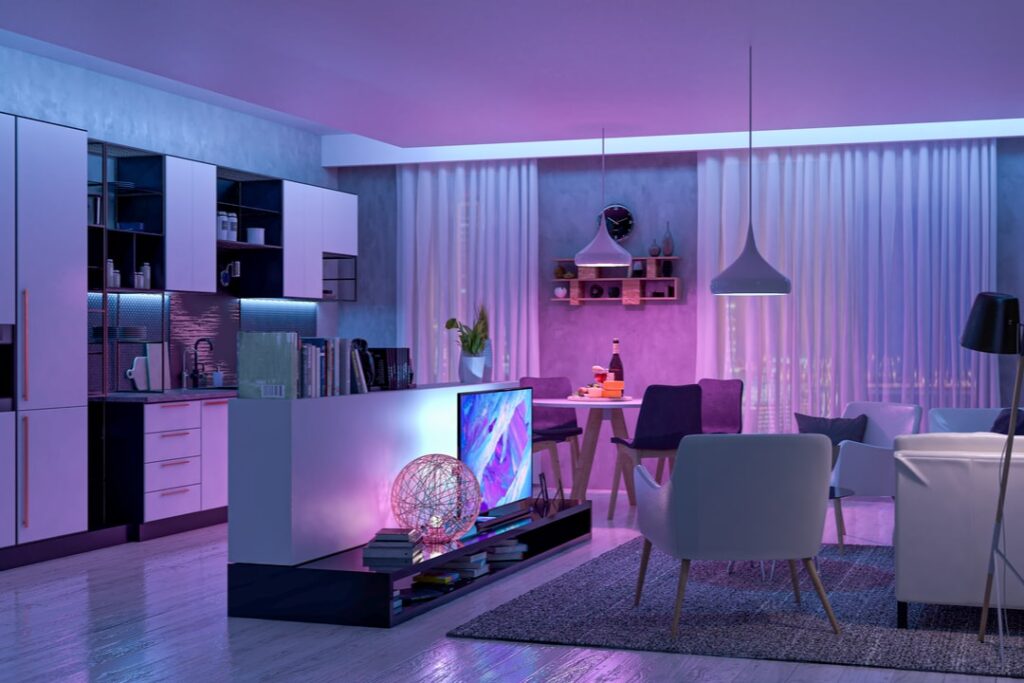
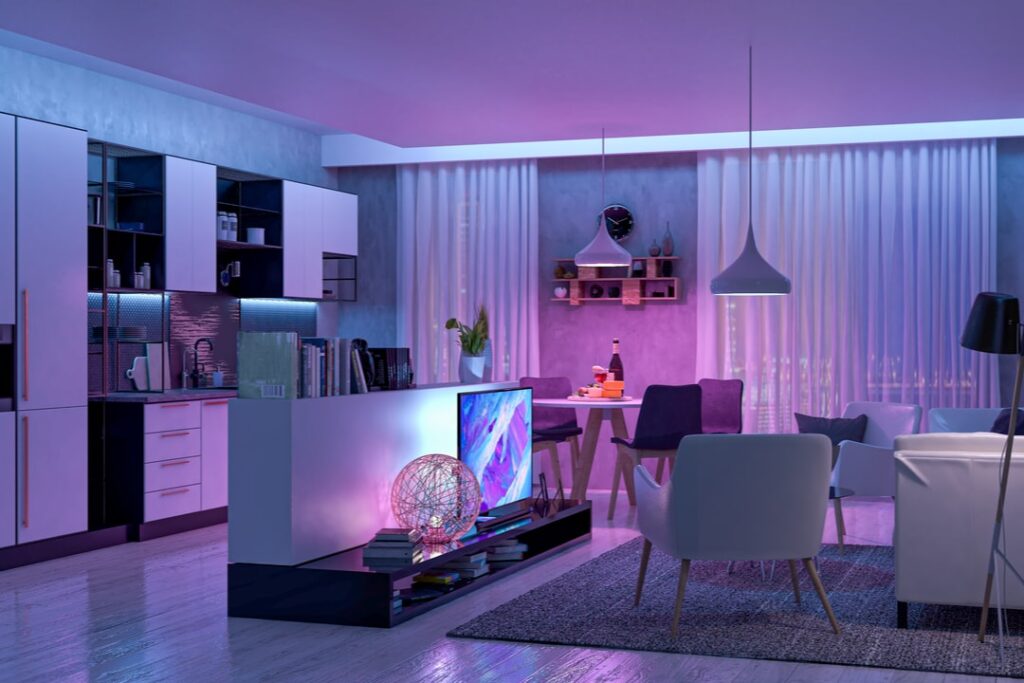
Modern living and working environments demand lighting systems that adapt rather than remain static. LED technology offers unmatched flexibility through dimming, color tuning, and smart controls. Lighting can now respond to time of day, occupancy, or specific tasks, enhancing comfort and efficiency simultaneously. This adaptability supports productivity in offices, relaxation in homes, and safety in public spaces. As lifestyles evolve toward more dynamic and multifunctional spaces, LEDs provide the responsiveness that older lighting technologies simply cannot deliver.
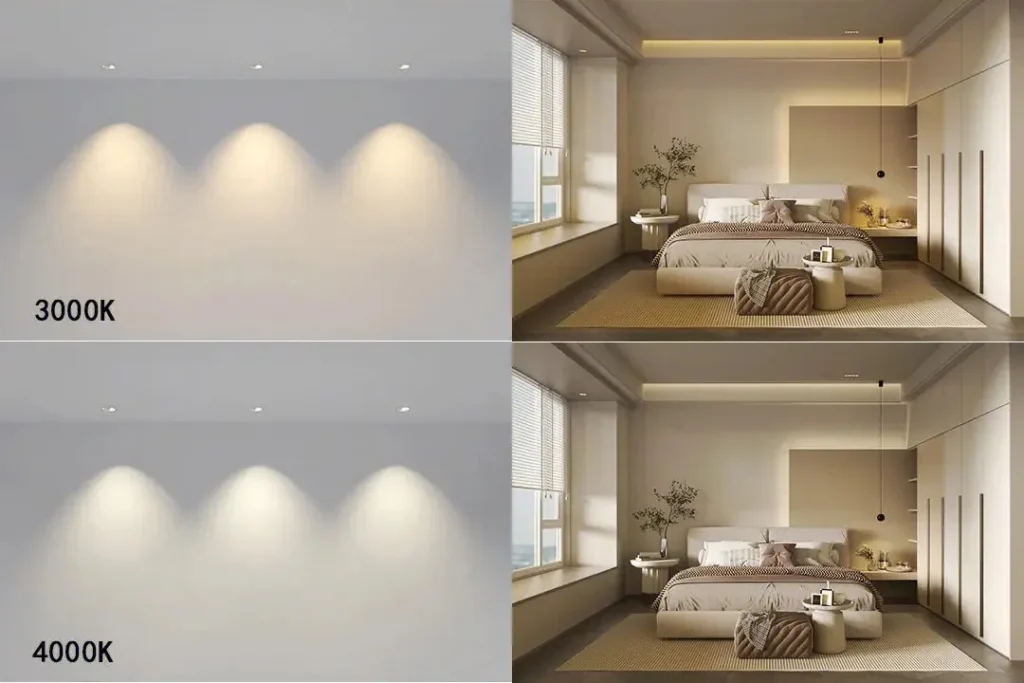
Health and well-being have become essential considerations in how spaces are designed, making LED lighting increasingly important. Poor lighting can negatively affect mood, sleep patterns, and concentration. Advanced LED systems support human-centric lighting by adjusting brightness and color temperature to align with natural circadian rhythms. Cooler tones can improve focus during the day, while warmer lighting promotes relaxation in the evening. As awareness grows around the connection between light and wellness, LEDs emerge as a powerful tool for healthier environments.
Urban development further demonstrates why LED technology is no longer optional. Cities require reliable, efficient lighting for streets, public spaces, transportation hubs, and infrastructure that operates continuously. LED street lighting improves visibility, enhances public safety, and significantly reduces municipal energy costs. Smart LED systems can adjust output based on traffic or weather conditions, maximizing efficiency. For rapidly growing urban centers facing budget and sustainability challenges, LEDs offer scalable solutions that support smarter, safer cities.
LED lighting increasingly important
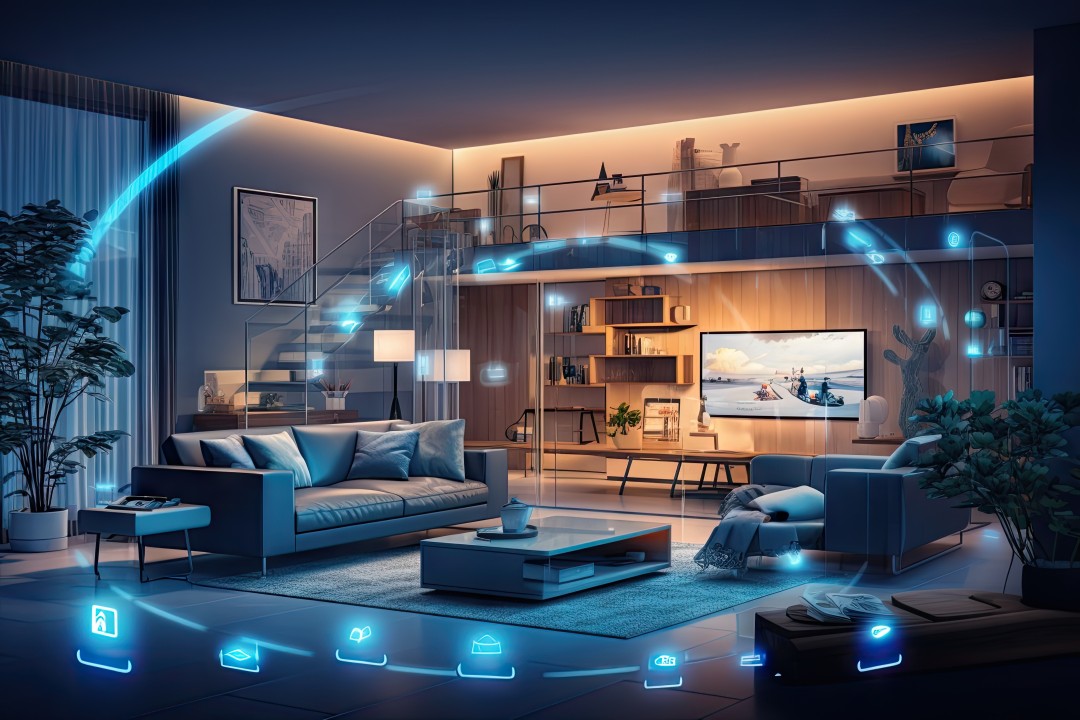
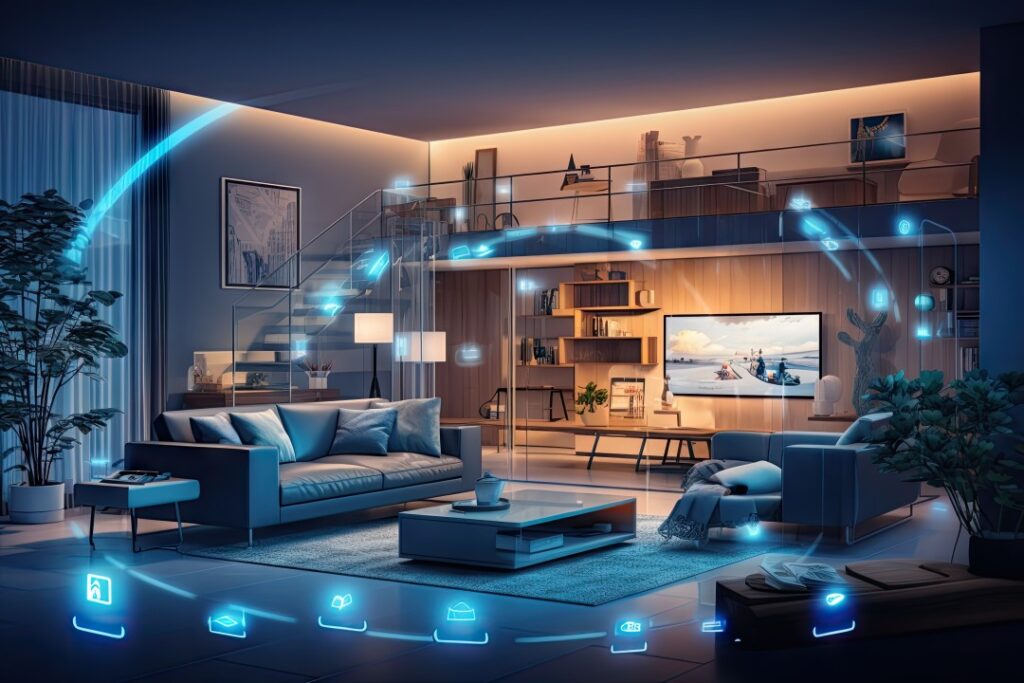
Technology integration is another defining factor in the rise of LED lighting. LEDs work seamlessly with smart systems, automation, and digital controls, transforming lighting into an intelligent network rather than a static utility. Users can monitor usage, schedule operation, and optimize performance remotely. This level of control enhances energy management and supports data-driven decision-making. As buildings become smarter and more connected, LED lighting forms the foundation of intelligent infrastructure.
Lighting the Future The global transition toward renewable energy sources further reinforces the importance of LED lighting. Solar panels, battery systems, and off-grid solutions perform best when paired with low-energy lighting. LEDs maximize limited power supplies, making them ideal for sustainable energy systems in both urban and remote settings. Lighting the future From solar-powered streetlights to energy-efficient homes, LED technology ensures that clean energy is used wisely. As renewable adoption accelerates, LEDs become an indispensable component of future-ready energy solutions.
Lighting the future Ultimately, LED technology is no longer optional because it aligns with the realities of the modern world. It addresses energy efficiency, economic pressure, environmental responsibility, health awareness, and technological progress simultaneously. LEDs are not merely replacing old bulbs; they are redefining how light supports daily life, business operations, and global sustainability goals. As societies move toward smarter, greener, and more resilient systems, Lighting the Future stands as a fundamental pillar of the future we are building.
#LEDLighting #FutureOfLighting #EnergyEfficiency #SmartLighting #SustainableTechnology #GreenEnergy #ModernInfrastructure #EcoFriendlyLiving #LightingInnovation