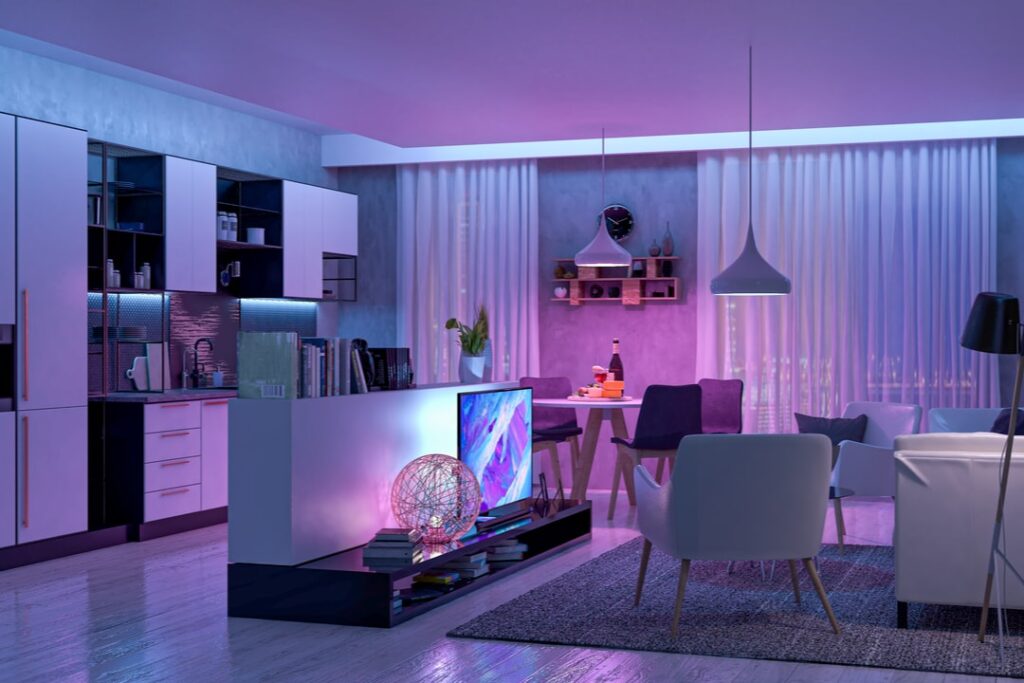
The real power of LED lighting lies in its ability to fundamentally change how energy is used in everyday life. Lighting is one of the most consistent sources of electricity consumption in homes, offices, and commercial facilities, yet it is often overlooked when energy-saving strategies are planned. LED lighting addresses this challenge by delivering high-quality illumination while using significantly less power than traditional lighting technologies. This shift represents more than a technical improvement; it is a practical solution that combines efficiency, performance, and long-term savings, making LED lighting one of the most impactful upgrades in modern energy management.
One of the strongest advantages of LED lighting is its unmatched energy efficiency. Unlike incandescent and halogen bulbs that waste most of their energy as heat, LEDs convert a higher percentage of electricity directly into visible light. This efficient energy conversion allows LED lights to produce the same or even greater brightness using far fewer watts. As a result, energy consumption drops immediately after switching to LEDs. Over time, this reduction leads to noticeable decreases in electricity bills, especially in spaces where lighting operates for long hours every day.
Cost savings from LED lighting extend far beyond reduced power consumption. The long lifespan of LED fixtures plays a crucial role in lowering overall expenses. An LED light can last anywhere from 25,000 to 50,000 hours, which is many times longer than traditional bulbs. This durability reduces the need for frequent replacements, cutting down on maintenance costs and labor expenses. In commercial and industrial environments, fewer replacements also mean less downtime and greater operational efficiency, reinforcing LED lighting as a smart long-term investment.
Heat management is another area where LED lighting demonstrates its real power. Traditional lighting sources emit excessive heat, increasing indoor temperatures and placing additional strain on cooling systems. LEDs emit very little heat, helping maintain a comfortable environment while reducing the energy required for air conditioning. This indirect energy saving is especially valuable in warmer climates and large facilities where cooling costs are significant. By reducing heat output, LED lighting contributes to a more balanced and efficient indoor energy ecosystem.
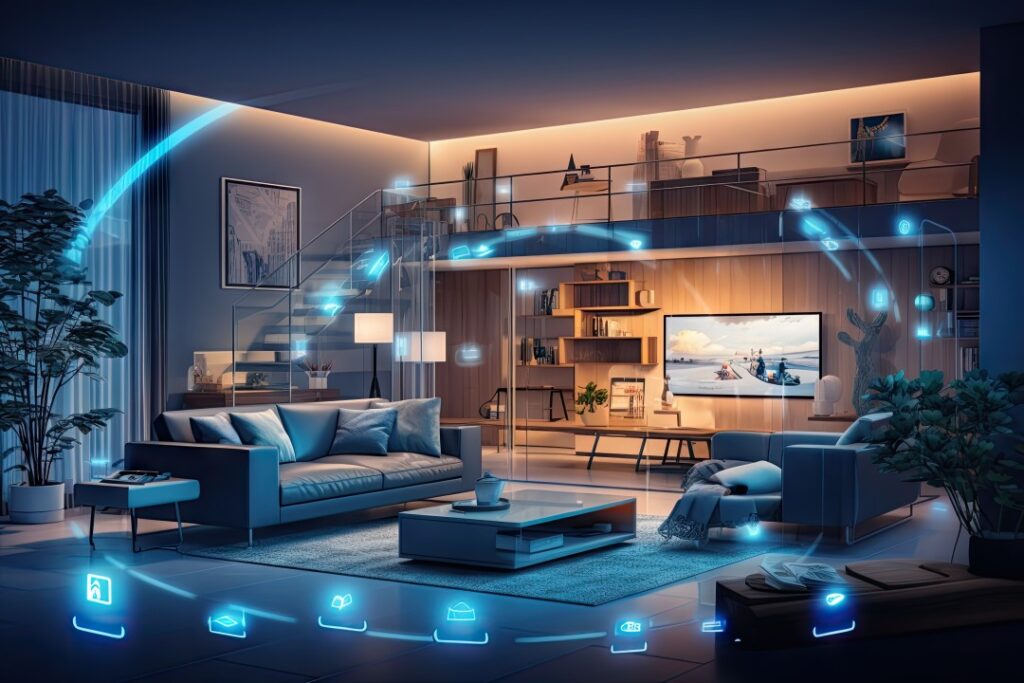
Smart energy use is at the heart of modern LED lighting systems. LEDs integrate seamlessly with advanced controls such as dimmers, motion sensors, daylight sensors, and smart automation platforms. These technologies ensure that lights operate only when needed and at appropriate brightness levels. For example, lights can automatically dim when natural daylight is available or turn off when spaces are unoccupied. This intelligent control minimizes wasted energy and enhances convenience, making LED lighting a key component of smart buildings and energy-efficient homes.
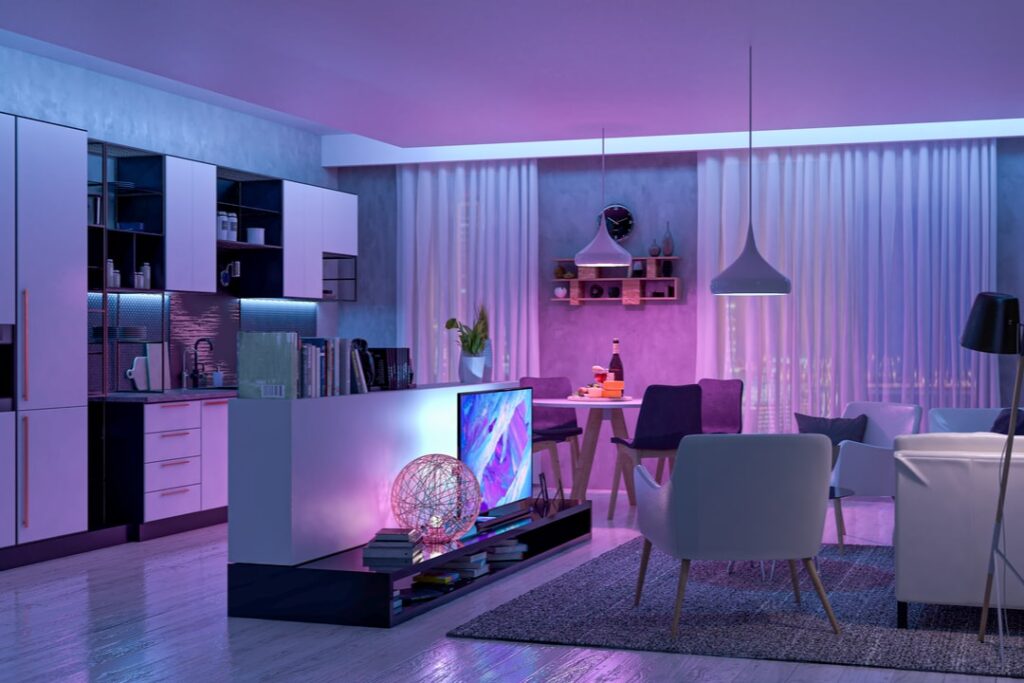
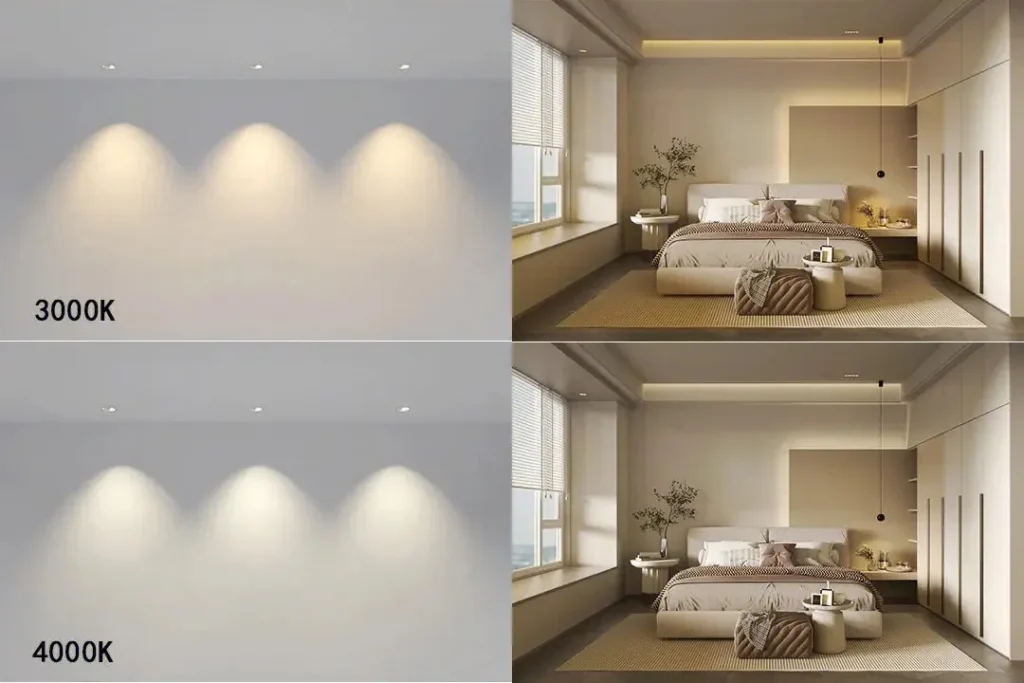
The flexibility of LED lighting further strengthens its value. LEDs are available in a wide range of color temperatures, brightness levels, and fixture designs, allowing them to adapt to different applications and environments. Whether used for task lighting, ambient lighting, or decorative purposes, LEDs deliver consistent performance without sacrificing efficiency. Their directional lighting capability ensures that light is focused exactly where it is needed, reducing wasted illumination and improving overall effectiveness in both residential and commercial settings.
From a sustainability perspective, LED lighting plays a vital role in reducing environmental impact. Lower electricity consumption means reduced demand on power generation, which in turn decreases greenhouse gas emissions. Many governments and organizations promote LED adoption as part of broader sustainability initiatives because of its measurable impact on energy efficiency. By choosing LED lighting, businesses and individuals align financial savings with environmental responsibility, contributing to a more sustainable energy future without compromising performance or comfort.
Reliability and consistency are additional factors that highlight the real power of LED lighting. LEDs maintain stable brightness and color quality throughout their lifespan, unlike traditional bulbs that dim or flicker over time. This consistency ensures predictable lighting conditions, which is especially important in workspaces, retail environments, and healthcare facilities. Reliable performance reduces the need for frequent inspections and replacements, adding another layer of cost efficiency and operational ease to LED lighting systems.
As technology advances, LED lighting continues to evolve toward even greater efficiency and smarter energy use. Innovations in materials, optics, and connectivity are improving light output while reducing power requirements further. Smart LED systems now support real-time monitoring, automated adjustments, and integration with building management systems. These developments ensure that LED lighting remains adaptable and future-ready, capable of meeting changing energy demands and evolving user expectations.
Ultimately, the real power of LED lighting is its ability to transform how energy is consumed, managed, and valued. By combining superior efficiency, long-term cost savings, reduced heat output, and intelligent control capabilities, LED lighting reshapes the relationship between illumination and energy use. It is not simply a replacement for older lighting technologies but a strategic upgrade that supports financial stability, environmental sustainability, and smarter living. In a world increasingly focused on efficiency and responsible energy use, LED lighting stands as a clear and powerful solution.